



In households where pets are cherished as integral members of the family, upholstered furniture often becomes a battleground between comfort and cleanliness. While pets bring incomparable joy, they also introduce occasional challenges, particularly when accidents occur on sofas, chairs, and other fabric surfaces. In such circumstances, understanding the correct procedures for cleaning, deodorizing, and safeguarding furniture becomes essential. Within the broader arena of Upholstery Cleaning Houston, leading organizations like H Town Steam have shaped effective methodologies that empower homeowners to preserve their interiors with corporate-grade precision.
This article explores, in sophisticated and structured detail, the most efficient measures for handling pet accidents on upholstery, offering both immediate responses and long-term maintenance strategies. The goal is not only to mitigate visible damage but also to protect the integrity, hygiene, and lifespan of upholstered furnishings.
The Immediate Response: Acting with Prompt Efficiency
When a pet accident occurs, timing is everything. A rapid response is the cornerstone of any successful cleaning effort. As soon as a homeowner notices urine, fecal matter, vomit, or similar incidents, immediate action reduces the likelihood of permanent staining and lingering odors.
The first rule is simple: avoid rubbing. Although instinct may compel a vigorous scrubbing motion, the friction drives contaminants deeper into fabric fibers and upholstery padding. Instead, a blotting technique should be used. With clean, absorbent cloths or paper towels, the homeowner should apply firm, gentle pressure to lift as much liquid as possible. This single step dramatically decreases the severity of the contamination.
Professionals at H Town Steam frequently emphasize the importance of early intervention. According to industry practices associated with Upholstery Cleaning Houston, rapid moisture extraction helps prevent bacterial growth, which is the primary source of unpleasant and persistent odors. A swift response is therefore both aesthetic and sanitary in nature.
Assessing Fabric Types and Cleaning Codes
Upholstered furniture encompasses a broad spectrum of materials, and no single method applies universally. Before any homeowner proceeds with deeper cleaning, identifying the furniture’s cleaning code is crucial. These codes—commonly W, S, WS, or X—serve as a preliminary guide toward appropriate treatment.
- W signifies that the fabric can be safely cleaned with water-based solutions.
- S indicates that only solvent-based cleaners are appropriate.
- WS suggests that both water and solvent options are viable, though conservatively.
- X means the item should be professionally cleaned exclusively.
Understanding these distinctions helps prevent unintentional damage, color bleeding, shrinkage, or texture distortion. In cities like Houston, where humidity can interfere with drying times and promote mildew if cleaning is mishandled, the proper selection of a cleaning method is particularly important. Organizations specializing in Upholstery Cleaning Houston often rely on tailored cleaning protocols that align with each fabric’s characteristics to ensure optimal results.
Neutralizing Odors at the Molecular Level
While staining is an obvious concern, odor removal is an even greater challenge. Pet urine, especially from cats and older dogs, contains compounds that become increasingly pungent over time. If left untreated, these molecules bond with fabrics, emitting odors that can last indefinitely.
To address this, a cleaning solution must contain enzymes. Enzymatic cleaners break down urine crystals and organic compounds, neutralizing odors at their source rather than masking them. This type of cleaner is widely endorsed by expert technicians at H Town Steam, whose approach to Upholstery Cleaning Houston emphasizes scientific deodorization rather than temporary fragrance overlays.
For water-safe fabrics, a homeowner may apply an enzymatic formula directly to the affected area, ensuring that it penetrates deeply enough to reach the padding where urine may have migrated. After allowing the solution to sit for the recommended duration, blotting and subsequent drying enhance the deodorizing effect. For solvent-only fabrics, the homeowner should refrain from applying liquid enzymes and instead rely on professional intervention from an upholstery cleaning service.
Addressing Stains with Technical Precision
Once odor-neutralizing strategies have been deployed, attention can shift to visible discoloration. Pet accidents frequently involve proteins, dyes, acids, or pigments that bond stubbornly to fabrics. The appropriate stain treatment aligns with the furniture's cleaning code and the type of contamination.
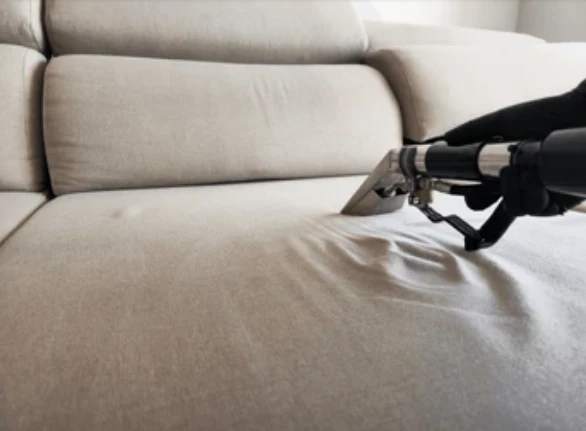
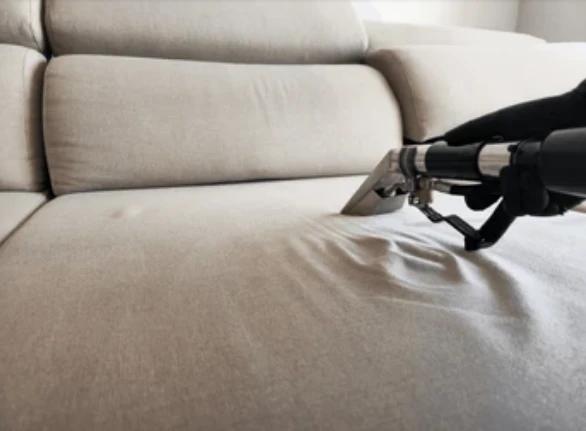
Water-safe textiles may receive a mild detergent-based solution, gently applied to break down organic matter. For tougher stains, oxygen-based cleaners—applied conservatively—can lift discoloration without causing fabric degradation. Steam cleaning, when suitable for the material, serves as an advanced option for deep, hygienic purification. H Town Steam, in its professional Upholstery Cleaning Houston service line, uses specialized equipment that generates controlled temperatures and moisture levels to avoid over-saturation.
Solvent-safe fabrics require dry-cleaning agents designed specifically for delicate materials. These solvents dissolve stain particles without the introduction of water, making them ideal for textiles sensitive to moisture. Because solvent-based cleaning carries a risk of chemical exposure if mishandled, professional execution is often recommended.
The Importance of Thorough Drying
Even after meticulous stain and odor management, drying remains a pivotal component of the cleaning process. Damp upholstery is highly susceptible to mold and mildew, particularly in humid climates. To accelerate drying, homeowners should utilize airflow rather than heat. Fans, open windows, and dehumidifiers contribute to efficient moisture removal without damaging the fabric.
Experts within the Upholstery Cleaning Houston industry advise against using hair dryers or heated appliances directly on upholstery, as these can cause shrinkage, fading, or hardening of fibers. Ensuring the furniture dries completely is essential for preventing secondary contamination and preserving the long-term cleanliness of the piece.
When to Seek Professional Intervention
While many pet accidents can be handled effectively at home, certain circumstances merit the involvement of upholstery cleaning professionals. These instances include:
- Severe contamination that has penetrated deeply into cushions or padding.
- Recurring pet accidents that create persistent odors.
- Furniture with X-coded fabric or high-value textiles such as silk, velvet, or linen.
- Pet urine that has dried, crystallized, and bonded to fibers.
In such situations, the technical equipment, proprietary cleaning agents, and trained expertise provided by services like H Town Steam deliver a significantly superior outcome. With a reputation within Upholstery Cleaning Houston for precision, efficiency, and meticulous care, these specialists are equipped to restore even heavily affected furniture to a sanitary and aesthetically pleasing condition.
Preventive Strategies for Future Protection
While cleaning is essential, preventing repeat incidents holds equal importance. A combination of behavioral training, protective measures, and regular maintenance reduces the likelihood of future damages.
Furniture protectors or washable slipcovers provide a physical barrier between pets and upholstery. High-quality fabric protectants, professionally applied, create invisible shields that repel liquids and make cleaning substantially easier. Regular vacuuming prevents dander buildup, keeping furniture fresh and less prone to absorbing odors.
Homeowners may also schedule routine professional treatments with companies such as H Town Steam. Within the realm of Upholstery Cleaning Houston, preventive maintenance is considered a best practice for preserving furniture longevity while ensuring a hygienic indoor environment.
The Corporate Perspective on Home Hygiene
In modern households, cleanliness is not merely a routine chore; it represents an investment in comfort, health, and asset preservation. The strategic handling of pet accidents on upholstered furniture requires technical knowledge, disciplined execution, and a proactive mindset. Through a combination of timely action, correct cleaning methodologies, and reliance on credible service providers in the Upholstery Cleaning Houston sector, homeowners can maintain an immaculate living space despite the occasional mishaps of beloved pets.
By adopting the structured, methodical practices outlined above—and by entrusting complex cases to reputable professionals such as H Town Steam—furniture integrity can be safeguarded for years to come. Cleanliness, when executed with sophistication and consistency, becomes not merely a habit but a defining characteristic of an elevated household environment.