



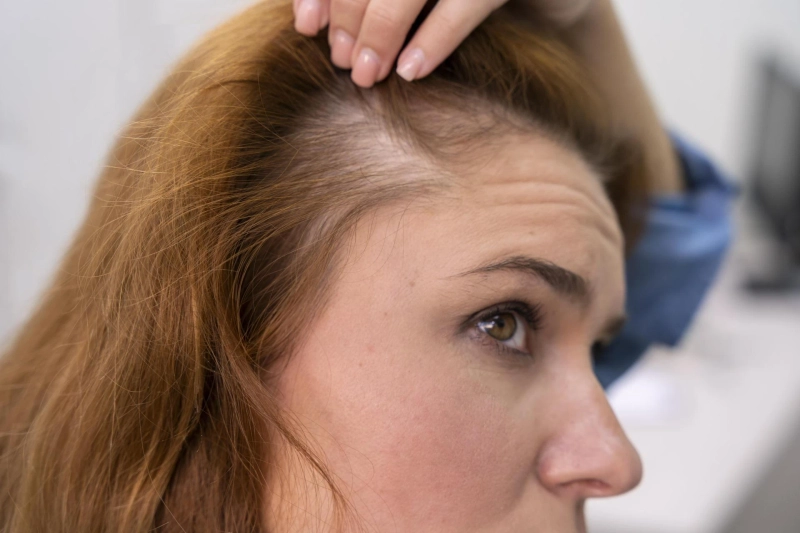
Are you tired of dealing with thinning hair, slow regrowth after shedding, or simply wondering how you can boost healthier, fuller strands? On my recent YouTube video, I walk you through a proven roadmap of hair growth therapy—covering everything from daily habits, scalp health, nutrition, and targeted treatments. In this guest post, I’ll share the core insights, practical steps, and actionable take-aways so you can begin your own hair-growth journey with confidence.
Understanding the Basics of Hair Growth
Hair grows in cycles—anagen (growth phase), catagen (transition), and telogen (rest/shedding). When those cycles become disrupted (due to stress, poor nutrition, hormonal imbalance, or scalp conditions), you may notice slower growth or excessive shedding. That’s where hair growth therapy comes in: the aim is to restore the optimal cycle, ensure the scalp environment is healthy, and supply the hair follicles with what they need to thrive.
Why Scalp Health Matters
One of the major themes in the video is this: your scalp is the foundation for every strand of hair. Think of your follicles like seeds in soil. If the soil is compacted, lacks nutrients, has poor circulation or is inflamed, the seeds struggle. Similarly, a scalp that’s clogged (with oil, dead skin), deprived of circulation, or suffering from inflammation means your hair can’t grow at its potential.
In the video, I demonstrated a simple scalp massage technique—five minutes a day, using fingertips (or a soft brush) in circular motions. This stimulates blood flow and encourages hair growth. Pair it with a gentle, pH-balanced shampoo and avoid harsh chemicals or over-washing. This is genuine hair growth therapy: making your scalp a fertile ground again.
Nutrition & Lifestyle: The Invisible Support
Hair growth isn’t just what happens at the surface—it’s deeply connected to your overall health. In the video, I explain how essential nutrients support the anagen phase. Here are some highlights:
- Protein: Hair is made mostly of keratin—a type of protein. Insufficient protein can delay growth or weaken strands.
- Iron & Vitamin D: Low iron levels or vitamin D deficiency often show up as thinning or slower regrowth.
- Omega-3 Fatty Acids & Biotin: These contribute to scalp health, reduce inflammation, and support hair follicle function.
- Stress Management & Sleep: High stress or poor sleep can trigger telogen effluvium (hair enters shedding phase prematurely). One therapy module I covered emphasizes meditation, deep sleep routines, and avoiding excessive heat styling.
In brief: treat your body like it’s supporting hair growth. A holistic hair growth therapy plan includes what you eat, how you sleep, how you move—and how you treat your scalp.
Targeted Treatments & When to Use Them
Not all hair-growth issues are solved by lifestyle alone. In the YouTube video, I reviewed different treatment options, timing and when they make sense:
- Topical treatments: Minoxidil or similar growth-stimulating agents can help—especially when follicles are still active but sluggish.
- Platelet-rich Plasma (PRP) therapy or microneedling: These advanced methods stimulate follicle regeneration and can be part of a more intensive hair growth therapy plan.
- Low-level Laser Therapy (LLLT): Emerging evidence suggests laser caps or combs can help improve circulation around hair follicles.
- Hair growth supplements: While not a substitute for diet, some targeted formulations (after consulting a professional) can support growth.
- Avoiding sabotage: Over-processing hair (bleach, heat), tight hairstyles, or harsh brushing all interrupt follicle function and slow growth.
The key message: don’t rely solely on one “miracle” product. True hair growth therapy is layered—foundation (scalp + lifestyle) + targeted treatments + maintenance.
Creating Your Personal Hair Growth Plan
In the video I laid out a simple 4-step regimen. Here’s an adapted version you can use:
- Daily foundation: Cleanse scalp gently, massage 5 minutes, apply leave-on scalp tonic if needed.
- Weekly routine: Deep-condition hair, avoid heat styling, sleep with a silk pillowcase or protect hair at night.
- Monthly check-in: Monitor progress (photograph every 4 weeks), track nutrient intake, visit your trichologist or dermatologist if shedding persists.
- Treatment milestone: If after 3-4 months you haven’t seen growth, consider adding a targeted therapy (PRP, LLLT) or consult a specialist.
Don’t expect overnight miracles—but the compound effect of consistent steps gives visible results over time. In the video, I shared before/after examples (with client consent), which underscore how patience + consistency work wonders.
Keywords in Focus: Hair Growth Therapy & Beyond
When we talk about “hair growth therapy”, we mean a comprehensive strategy—not just a shampoo or pill. It’s about optimising scalp circulation, feeding follicles properly, minimising damage, and selecting treatments wisely. Other relevant keywords you might see: hair regrowth treatment, hair follicle stimulation, scalp revitalisation, hair density improvement, hair shedding prevention. Using these in your web-searches or when consulting professionals can help filter credible information.
Final Thoughts
If you’ve watched the video, you know there’s no “one size fits all”, but there is a strategy that works: commit to daily scalp care, get your nutrition and lifestyle aligned, monitor progress, and optimise treatments when needed. That’s your roadmap to true hair growth therapy.
For those looking for advanced, clinically tested solutions, Theradome offers FDA-cleared laser hair growth technology designed to rejuvenate hair follicles safely and effectively at home. With consistent use, Theradome can be a game-changer in your journey to stronger, thicker, and healthier hair.