



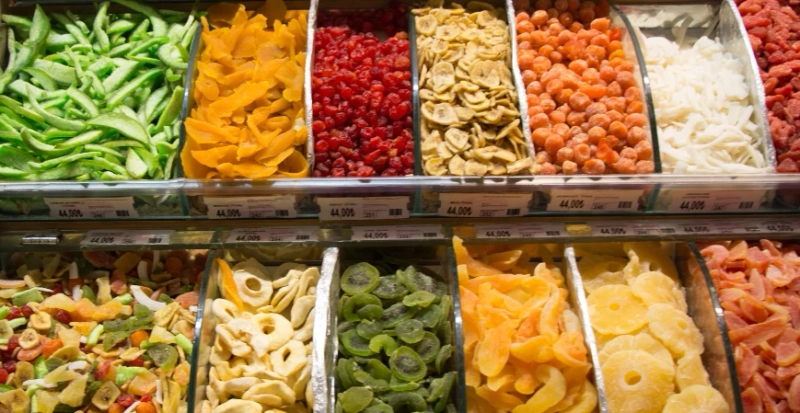
The US dehydrated food market size is projected to expand at a CAGR of 5.00% during the forecast period 2025–2034, driven by rising demand for long-shelf-life food products, increased adoption of convenience meals, and growth in the health-conscious consumer base. The market is witnessing strong traction across both developed and emerging regions as consumers seek nutrient-preserving and easy-to-prepare food options that reduce waste and storage space.
Market Overview
Dehydrated food products have become increasingly popular due to their ability to retain nutritional value, offer extended shelf life, and reduce transportation costs. The growing trend of healthy snacking, busy lifestyles, rising urbanization, and a strong eCommerce ecosystem have all contributed to the steady demand for dried foods such as vegetables, fruits, dairy, seafood, and meats.
Additionally, advancements in food drying technologies are making it easier for manufacturers to produce high-quality dehydrated products with enhanced taste, texture, and appearance.
Key Market Drivers
Demand for Shelf-Stable and Lightweight Foods
Consumers prefer dehydrated food for its ease of storage and portability, especially in regions with limited refrigeration infrastructure or in emergency food kits, military rations, and outdoor adventure packs.
Growing Popularity of Clean-Label and Natural Products
Dehydrated foods often contain fewer preservatives and additives, making them appealing to health-conscious consumers. The natural form, minimal processing, and reduced risk of spoilage make these products suitable for modern dietary trends.
Rise in Ready-to-Eat and Convenience Foods
Instant soups, freeze-dried meals, and dried fruit snacks are in high demand due to busy work schedules and lifestyle changes, especially in urban centers.
Food Waste Reduction and Sustainability
By removing moisture and extending shelf life, dehydrated foods contribute to reducing food waste across the supply chain—a factor gaining relevance among eco-conscious consumers and policymakers.
Get Your Free Sample Report and Full ToC – Click Here
Market Segmentation
By Technology
Spray Dried
Spray drying is widely used for dairy products, coffee, and flavoring ingredients. It’s fast and economical, producing fine powder forms with long shelf life.
Freeze Dried
Freeze drying is preferred for premium food products, especially fruits, vegetables, and full meals. It preserves texture and nutrients better than other methods, though it's costlier.
Vacuum Dried
Vacuum drying is used for heat-sensitive food items. This method ensures better retention of aroma and color, making it suitable for food processors looking to maintain premium quality.
Sun Dried
A traditional and eco-friendly method mainly used for fruits, herbs, and vegetables. It’s cost-effective but weather-dependent and slower compared to industrial methods.
Hot Air Dried
Hot air drying is one of the most common techniques in mass production. It’s used across a wide variety of products, especially vegetables and meats.
Others
Includes microwave drying and drum drying, used for specialty applications and customized processing needs.
By Product
Dehydrated Dairy Products
Includes milk powder, cheese powder, and yogurt powder. These are extensively used in infant formula, bakery products, and beverage mixes due to their long shelf life and easy reconstitution.
Dehydrated Fruits
Popular in snack foods, breakfast cereals, and baking. Freeze-dried fruits like strawberries, mangoes, and apples are in high demand among health-conscious consumers.
Dehydrated Meat and Seafood
Used in instant soups, noodles, ready meals, and pet foods. Rising interest in protein-rich diets and long-term food storage solutions are fueling this segment’s growth.
Dehydrated Vegetables
Onion, garlic, carrots, and tomatoes are widely used in sauces, ready meals, and seasoning blends. The segment benefits from bulk use in the food processing and hospitality sectors.
5. Others
Includes dehydrated legumes, grains, herbs, and plant-based proteins.
By Distribution Channel
1. Hypermarkets and Supermarkets
These remain the most popular retail outlets, offering a wide range of dehydrated products for household consumers. Large shelf space and instant product visibility help drive sales.
2. Convenience Stores
Ideal for on-the-go snack options, especially dehydrated fruits and savory snacks. Quick accessibility and impulse buying contribute to steady demand.
3. Online
The fastest-growing segment, driven by the popularity of eCommerce platforms, health-focused subscription boxes, and direct-to-consumer food brands. Online channels also facilitate niche products and premium dehydrated offerings.
4. Others
Includes specialty food stores, bulk suppliers, and institutional channels like restaurants and caterers.
Regional Analysis
North America
United States of America
The largest market globally due to widespread consumption of ready-to-eat and packaged foods. Innovation in snack segments and presence of major food brands contribute to robust demand.
Canada
Strong demand from the outdoor recreation and emergency preparedness sectors, combined with interest in natural and organic snacks.
Europe
United Kingdom, Germany, France, Italy
These countries are seeing a rise in vegan and clean-label eating trends. Freeze-dried fruits and vegetables are popular in health food aisles and gourmet snacks.
Others
Includes Eastern and Northern Europe where dehydrated products are widely used in soups, sauces, and travel meals.
Asia Pacific
China
The country has a massive base for instant noodle production and a rising middle class interested in healthy snacking, making it a major consumer of dried vegetables and meats.
Japan
A mature market with high consumption of dried seafood and fruits. Focus is on premium packaging and long-lasting, nutritious snacks.
India
Demand is rising due to urbanization and the booming packaged food industry, especially among young, working consumers.
ASEAN and Australia
ASEAN countries are adopting dehydrated foods for food security and export potential. Australia is seeing rising demand for freeze-dried pet food and dietary supplements.
Latin America
Brazil, Argentina, Mexico
Growing middle-class population, increasing food exports, and fast adoption of Western food habits are fueling growth in this region.
Middle East and Africa
Saudi Arabia, UAE
Dehydrated food is essential in desert climates where storage and refrigeration are limited. Instant soups, dairy powders, and dried fruits are widely used.
Nigeria, South Africa
Urban expansion and retail growth are supporting greater accessibility and demand for affordable and easy-to-prepare food products.
Key Companies in the Global Dehydrated Food Market
Unilever plc
A global FMCG giant with dehydrated soup and seasoning brands like Knorr. The company is investing in sustainable sourcing and eco-packaging.
Chaucer Foods Limited
Specializes in premium freeze-dried ingredients for the food and beverage sector. Supplies to retail brands and institutional buyers.
Olam Group Limited
Offers dehydrated onion, garlic, and other vegetables through its vast agricultural network. Focuses on traceability and bulk supply to food processors.
Harmony House Foods, Inc.
U.S.-based company known for natural and non-GMO dehydrated foods, catering to consumers and emergency food suppliers.
Ajinomoto Co. Inc.
A leader in dehydrated seasonings and flavor enhancers, widely used in instant noodles and ready meals.
Mercer Foods, LLC
Specialist in freeze-dried fruits and vegetables, serving the retail, foodservice, and private label markets.
Crispy Green, Inc.
Known for its line of healthy dried fruit snacks sold through major U.S. retail chains and online platforms.
Future Outlook: 2025–2034
- Demand for plant-based dehydrated foods will continue to rise, aligning with vegetarian and vegan diets.
- Sustainable packaging and production practices will become key competitive differentiators.
- AI and smart manufacturing will be used to monitor dehydration parameters for better quality control.
- Growth in the functional food and nutraceuticals segment will create new opportunities for ingredient-level dehydrated products.
- Freeze-dried pet food and dehydrated supplements will emerge as strong niche markets.
Frequently Asked Questions (FAQs)
What is the CAGR of the global dehydrated food market?
The market is expected to grow at a CAGR of 5.00% from 2025 to 2034.
What are the key product segments in dehydrated foods?
Key segments include dairy, fruits, meat and seafood, and vegetables.
Which technology is most commonly used?
Spray drying and freeze drying are among the most widely adopted due to efficiency and quality output.
Which region dominates the market?
North America, especially the United States, leads the global market.
Who are the major players in the global dehydrated food industry?
Top companies include Unilever, Chaucer Foods, Olam, Ajinomoto, and Mercer Foods.
Media Contact:
Company Name: Claight Corporation
Email: sales@expertmarketresearch.com
Toll Free Number: +1-415-325-5166 | +44-702-402-5790
Address: 30 North Gould Street, Sheridan, WY 82801, USA
Website: https://www.expertmarketresearch.com