



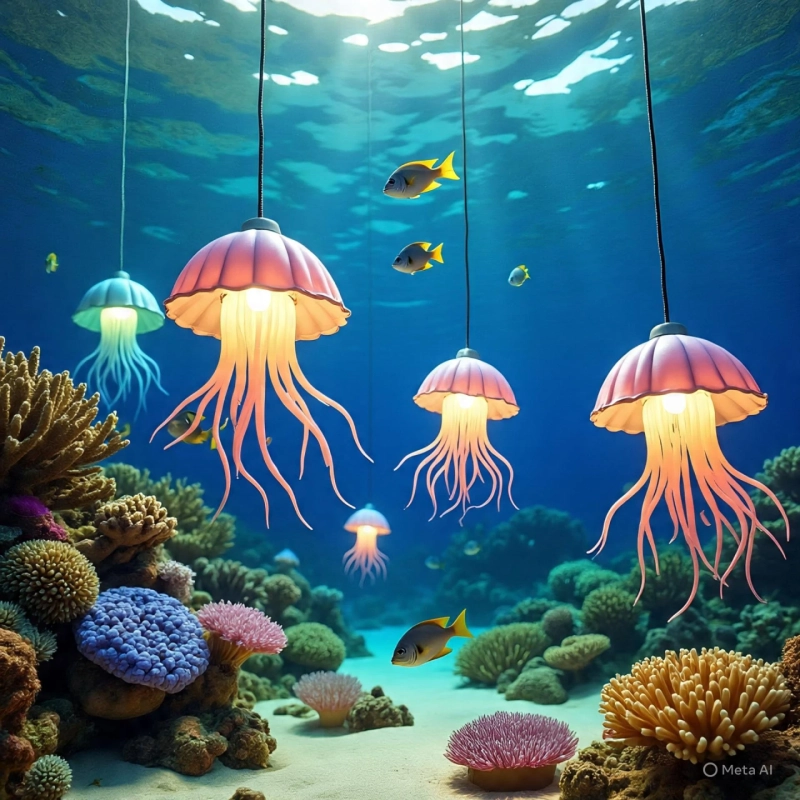
Underwater lights have become very popular in recent years because they add beauty, safety, and style to any water space. Whether it is a swimming pool, a fountain, a pond, a fish tank, or even a boat, underwater lights completely change the look of the area. When these lights glow beneath the water, they create a calm and magical atmosphere. Many people use underwater lights for decoration, while others use them for practical reasons like visibility and safety. Because of their benefits, underwater lights are used in homes, hotels, gardens, resorts, and even marine vehicles.
In this article, we will explore everything about underwater lights in a simple, easy-to-understand language. You will learn how they work, why they are useful, what types are available, and how to maintain them. All the information is written in a natural and human-friendly style so that anyone can read and understand it. The keyword “Underwater Lights” is used naturally throughout the article to make it fully SEO-friendly. If you are planning to buy underwater lights or just want to know more about them, this guide will help you make the right decision.
Understanding How Underwater Lights Work
Underwater lights may look simple from the outside, but they use smart technology to work efficiently and safely. These lights are specially designed to stay inside water for long periods without getting damaged. Most underwater lights are waterproof and made with strong materials like stainless steel, tough glass, or durable plastic. The main goal is to keep water away from the electrical parts because even a small leak can cause the light to stop working.
LED underwater lights are the most common today because they use less electricity, last longer, and stay cool even when used for many hours. LEDs also produce bright and clear light that spreads beautifully under the water. Some underwater lights use colored LEDs that can change shades and create effects like wave movement or slow fading. These features make underwater lights perfect for pools, fountains, and decorative water designs.
Another important thing about underwater lights is their low voltage. Most lights use a 12V system, which is safer around water. A transformer converts normal voltage into low voltage before sending power to the light. Many underwater lights also come with remote controls or mobile apps so you can change colors, brightness, or patterns easily. Understanding these working parts helps you choose safe and reliable underwater lights for your space.
Benefits of Using Underwater Lights
Underwater lights offer many advantages, which is why they are used in homes, hotels, parks, and boats. One of the biggest benefits is improved visibility. When underwater lights are installed in pools or ponds, they make the water surface glow and help swimmers see clearly at night. This also reduces accidents and improves safety. For fish ponds and aquariums, underwater lights help highlight the water creatures and plants, making the whole environment look more lively and beautiful.
Another major benefit of underwater lights is the decorative impact they create. Whether it is a colorful fountain or a peaceful garden pond, these lights add charm and elegance. Hotels and resorts use underwater lights to create attractive views that impress guests. With modern LED technology, you can choose from many colors like blue, green, red, pink, or white. Some lights even change colors automatically to create a stunning visual effect.
Underwater lights also increase property value. A well-lit swimming pool or backyard water feature makes the house look modern and stylish. Many people also enjoy relaxing near water bodies with underwater lights because the glowing water gives a sense of peace and relaxation. Overall, the benefits of underwater lights make them a popular choice for both beauty and safety.
Different Types of Underwater Lights
There are many types of underwater lights available today, each made for different purposes. The most widely used type is LED underwater lights because they are energy-efficient, durable, and available in many colors. LED lights last for thousands of hours, which means you do not need to replace them frequently. They also stay cool, making them perfect for long use in pools and fountains.
Another common type is halogen underwater lights. These are older models that provide bright light but use more electricity. They also produce heat, which is why many people now prefer LED underwater lights. However, halogen lights are still used in some places because they are cheaper at the time of purchase.
Solar underwater lights are a great option for small ponds or garden fountains. These lights charge themselves using sunlight during the day and glow automatically at night. Solar lights are eco-friendly, easy to install, and cost nothing to run. For boats and marine uses, underwater lights made from stainless steel are preferred because they resist rust and strong water pressure.
You can also find RGB underwater lights that allow you to choose different colors. Many of these lights come with remote control or smartphone apps. Choosing the right type depends on your purpose, budget, and the place where you want to install the lights.
Choosing the Right Underwater Lights
Selecting the right underwater lights is important because it affects safety, beauty, and long-term performance. The first thing to check is the waterproof rating. Look for lights with at least IP68 rating, which means they can stay submerged in water without damage. The second thing to consider is the material. Lights made of stainless steel, tough plastic, or tempered glass last longer underwater.
Next, decide whether you want single-color lights or color-changing lights. If you want a calm and simple look, white or blue single-color lights are perfect. But if you want a colorful and creative look, then RGB color-changing underwater lights are the best choice.
Another important factor is brightness. A large pool or pond needs brighter lights, while a small aquarium or fountain needs soft lighting. You should also check the power consumption to save electricity in the long run. LED underwater lights are the best option for saving energy and getting bright output.
If you want easy control, choose underwater lights that come with remote control or mobile app support. You can adjust color, brightness, or timing without touching the lights. Lastly, make sure to buy from trusted brands because cheap underwater lights often get damaged quickly.
Installing Underwater Lights Safely
Installing underwater lights requires care and proper steps because they work with electricity. The first and most important rule is to use low-voltage lights. A 12V system is the safest option for pools, ponds, and aquariums. Always use a good-quality transformer to reduce electricity from normal voltage to low voltage.
Before installation, turn off the main power supply. Make sure all electrical parts stay dry during the setup. Use waterproof cables and connectors because they protect the lights from water leakage. Many underwater lights come with heat-resistant and waterproof rubber seals, which should be fitted properly.
Placement is also important. Install the lights in areas that give a balanced glow inside the water. For pools, lights are usually installed on walls. For ponds or fountains, lights can be placed at the bottom or sides. Make sure the lights are fixed tightly so they do not move with water pressure.
If you are not confident about installation, hiring a professional is the safest option. A skilled technician ensures that underwater lights work properly and safely for years.
Maintaining and Cleaning Underwater Lights
Maintenance is important for keeping underwater lights bright and long-lasting. Over time, algae, dirt, and mineral deposits can collect on the surface of the light, reducing its brightness. Cleaning the lights once every few months keeps them shining clearly. Use soft cloth and mild cleaning liquid, avoiding strong chemicals that can damage the glass or plastic.
Check the rubber seals and waterproof parts regularly. If you notice cracks or loose seals, replace them immediately to prevent water leakage. For LED underwater lights, maintenance is very simple because they last long and do not heat up.
If the light stops working, check the wiring and the transformer. Sometimes the issue is not in the light but in the power connection. Also, make sure the lights are fully submerged in water during use because some lights can get damaged if operated outside water.
Proper maintenance ensures that your underwater lights look beautiful and work safely for a long time.
Conclusion
Underwater lights are one of the best ways to make any water area beautiful, safe, and stylish. Whether you use them in a swimming pool, pond, aquarium, fountain, or boat, these lights add charm and functionality. With advancements like LED technology, solar power, and color-changing options, underwater lights have become more attractive and affordable. If you choose the right type, install them carefully, and maintain them regularly, underwater lights will keep your water spaces glowing for many years.
Frequently Asked Questions (FAQs)
1. Are underwater lights safe?
Yes, underwater lights are safe when they use low voltage (12V) and have proper waterproof protection.
2. Which underwater lights are best?
LED underwater lights are the best because they use less energy, last long, and provide bright light.
3. Can underwater lights work in saltwater?
Yes, but you should choose stainless steel underwater lights because they resist rust in saltwater.