


Water is one of the most vital elements in our lives, but when it escapes the pipes and systems meant to contain it, it can turn into a silent and destructive force. Water leaks, especially hidden ones, can lead to extensive damage, high utility bills, and even health hazards if not detected early. Unfortunately, many property owners don't realise there's an issue until it's too late. This is where professional water leak detection plays a crucial role.
Whether you’re a homeowner, tenant, or commercial property manager, understanding how water leak detection works — and why it's essential — can save you from costly repairs and significant inconvenience.
Why Are Water Leaks So Dangerous?
Water leaks can occur in visible areas such as under sinks or on ceilings, but they often originate in hidden parts of your property, such as inside walls, under floors, or within concrete slabs. Here’s why this is a problem:
- Structural Damage: Continuous exposure to moisture weakens materials like wood, drywall, and concrete. Over time, leaks can compromise the structural integrity of a building.
- Mould Growth: Leaks create a humid environment that promotes mould and mildew, which can trigger respiratory issues and allergies.
- Wasted Water: Even a slow, steady drip can waste hundreds of litres of water a week — significantly increasing your water bill.
- Electrical Risks: Water near electrical systems or appliances can create hazardous conditions, including the risk of short circuits or fire.
Catching leaks early with professional water leak detection is not just a matter of cost-efficiency — it’s a matter of safety.
Signs That You May Have a Water Leak
While some leaks are visible, many remain hidden for weeks or even months. Here are some warning signs to look out for:
- Unexpected Increase in Water Bills: If your water usage hasn’t changed but your bill has spiked, a hidden leak could be to blame.
- Damp or Discoloured Patches: Watch for stains or moisture on walls, ceilings, or flooring.
- Peeling Paint or Wallpaper: Water behind a surface can cause bubbling or flaking.
- Sound of Running Water: Hearing water when no tap or appliance is in use is often a red flag.
- Mould Smell: A musty odour may indicate mould growth, often caused by undetected leaks.
If you notice any of these symptoms, it’s time to consider water leak detection as your next step.
How Professional Leak Detection Works
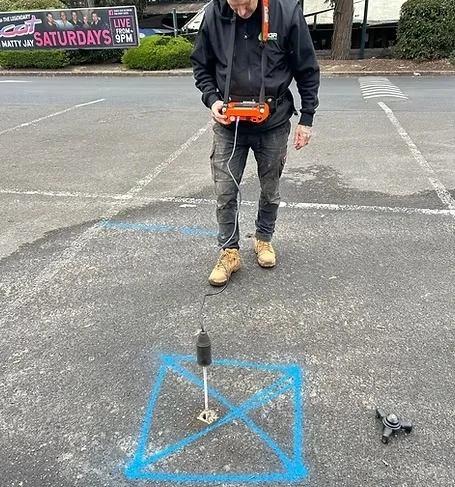
Modern water leak detection techniques go far beyond guesswork and demolition. Technicians now use non-invasive, high-tech equipment to identify leak sources with precision. Here are a few of the most commonly used methods:
- Acoustic Sensors: These devices listen for the sound of water escaping from pipes. Even the faintest sounds can be detected and located accurately.
- Thermal Imaging Cameras: These cameras detect temperature variations, allowing professionals to “see” leaks behind walls and under floors.
- Moisture Sensors: These tools measure the moisture content in materials and can help identify how far water has travelled.
- Pressure Testing: If water pressure in a pipe system drops suddenly, it may indicate a break or crack somewhere in the line.
The goal of using advanced water leak detection tools is to locate the problem quickly without unnecessary damage to your property. This can lead to faster repairs, lower costs, and less disruption to your day.
Common Sources of Water Leaks
Not all leaks come from the same place. Some common sources include:
- Toilets and taps: Leaking cisterns and dripping faucets are among the most common culprits.
- Hot water systems: A slow leak from your water heater could go unnoticed for a long time.
- Underground pipes: These are harder to monitor but can cause serious issues like soggy lawns or water pooling.
- Roofing and gutters: Damaged roofing can allow rainwater to enter the building.
- Showers and bathtubs: Improper sealing or cracked tiles can let water seep into surrounding areas.
Being aware of these risks — and acting promptly — is essential. If you suspect an issue but can’t identify its source, a trained professional in water leak detection should be your first call.
Preventing Future Leaks
While not all water leaks are preventable, regular maintenance can greatly reduce the risk. Here are a few tips to help you stay ahead of potential problems:
- Monitor Water Bills: Unexplained increases are an early indicator something is wrong.
- Inspect Exposed Plumbing: Look for corrosion, dampness, or slow drips.
- Maintain Roofing and Gutters: Ensure that your roofing materials are intact and gutters are not clogged.
- Use Quality Fixtures: Invest in good plumbing materials and appliances to minimise failure.
- Annual Plumbing Checks: Have a licensed plumber assess your property once a year for any signs of potential leaks.
Implementing these habits reduces the chance of emergencies and saves you time and money in the long run.
The Long-Term Value of Leak Detection
Leak detection is not a one-time fix; it’s a long-term investment in your property’s health and value. Small leaks today can lead to large problems tomorrow if ignored. By prioritising professional water leak detection services when necessary, you're actively safeguarding your home or business against damage, inconvenience, and high repair costs.
Final Thoughts
Water leaks might seem minor at first glance, but their impact can be anything but small. From damaging your property to promoting hazardous mould growth and increasing utility costs, the effects are far-reaching. Thankfully, with today’s technology and professional expertise, leaks can be identified quickly and with minimal disruption.
If you’ve seen the signs or just want peace of mind, don’t hesitate to invest in a thorough water leak detection check. It could be the smartest decision you make for your property this year.