




If you work independently or run a business in the U.S., there’s a high chance you’ll come across the US tax form W-9. While the form itself is short, its role in tax reporting and compliance is significant.
Here’s a simple breakdown of what it is, who needs it, and how to handle it correctly.
What Is the US Tax Form W-9?
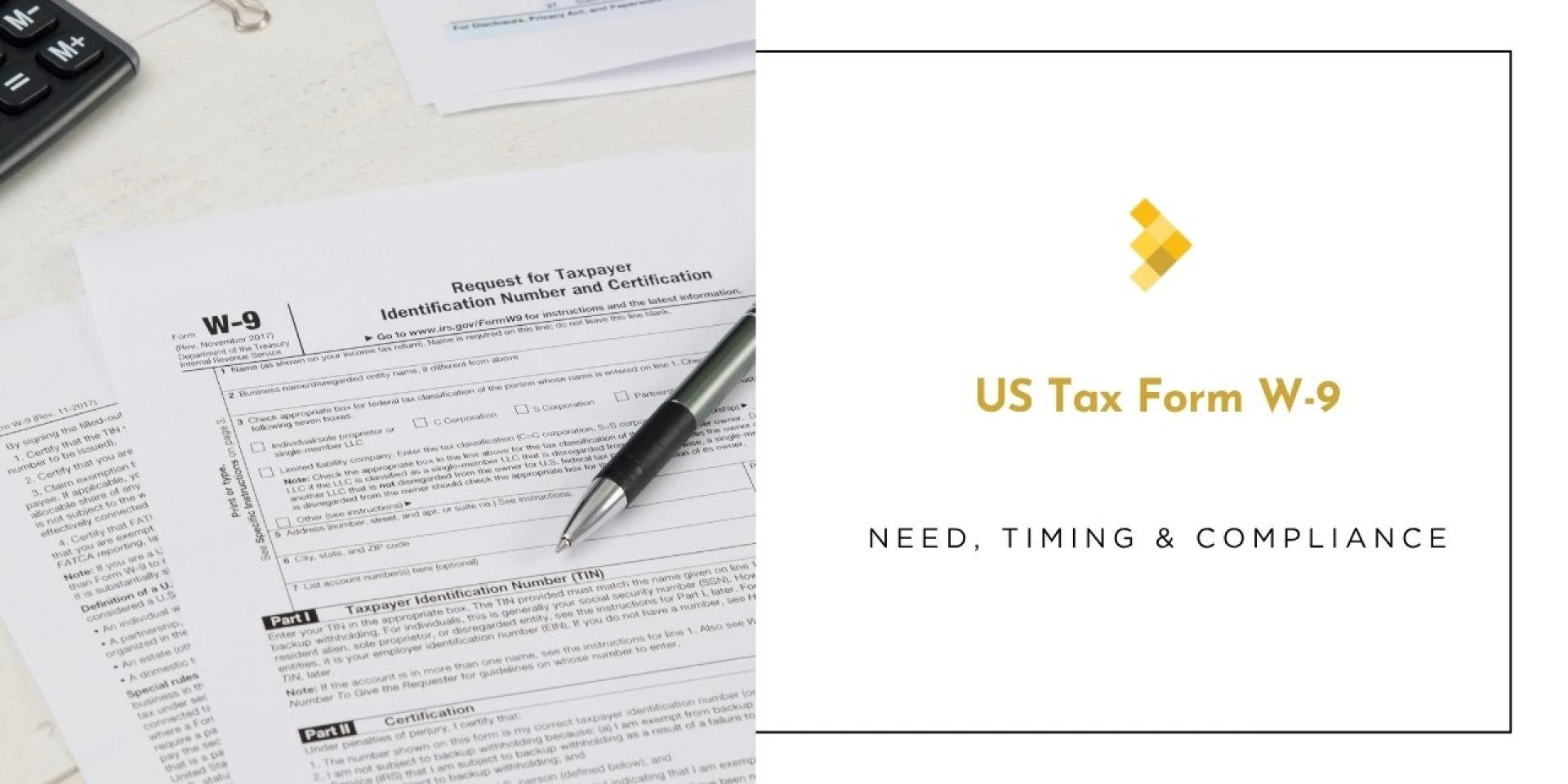
The US tax form W-9, officially known as the Request for Taxpayer Identification Number and Certification, is used by businesses to collect key tax details from non-employees they pay. This includes freelancers, independent contractors, vendors, landlords, and service providers.
The form requests basic but important information—such as your name, tax classification, address, and your Taxpayer Identification Number (TIN). Instead, the business that requested it keeps it on file to prepare other tax documents, like Form 1099-NEC.
Why Is the W-9 Important?
Completing the US tax form W-9 correctly helps ensure that payments made to you are reported accurately. It also protects you from backup withholding, where 24% of your income may be withheld if no valid TIN is provided.
For businesses, the form helps with accurate 1099 reporting. For individuals, it confirms your tax identity and reduces the risk of filing errors later. Whether you're working as a sole proprietor or operating as an LLC vs sole proprietorship, filling out the W-9 is a necessary step in staying compliant.
Who Needs to Fill Out a W-9?
You’re likely to be asked for a US tax form W-9 if you fall into any of the following categories:
- A freelancer or independent contractor
- A vendor or supplier receiving payments
- A landlord being paid by a business tenant
- A law firm or professional service provider
- A U.S. business entity operating as an LLC, partnership, or corporation
If you're earning reportable income outside of standard employment, expect to be asked for this form during onboarding.
What Information Does It Require?
The form asks for:
- Your full legal name
- Business name (if applicable)
- Tax classification (e.g., Individual, LLC, Corporation)
- Mailing address
- Your TIN (SSN or EIN)
- Your signature to certify accuracy
Make sure the details match what’s on file with the IRS to avoid any processing issues.
Safety and Recordkeeping
The US tax form W-9 includes sensitive data, so it’s important to only share it with verified, trusted parties. Use secure methods like encrypted email or client portals when sending.
Businesses are advised to retain completed forms for at least four years in case of IRS audits or income discrepancies.
Final Thoughts
The US tax form W-9 may appear routine, but it plays a crucial role in income reporting and compliance. Whether you’re a solo contractor or running a company, handling it properly helps avoid delays, errors, or penalties during tax season.
To stay ahead, it’s also helpful to understand common mistakes to avoid when filing Form 1099, as W-9 information directly feeds into it.
Need help managing W-9s or 1099 filings?
Reach out to our team for reliable support in streamlining your tax process and ensuring full compliance.