



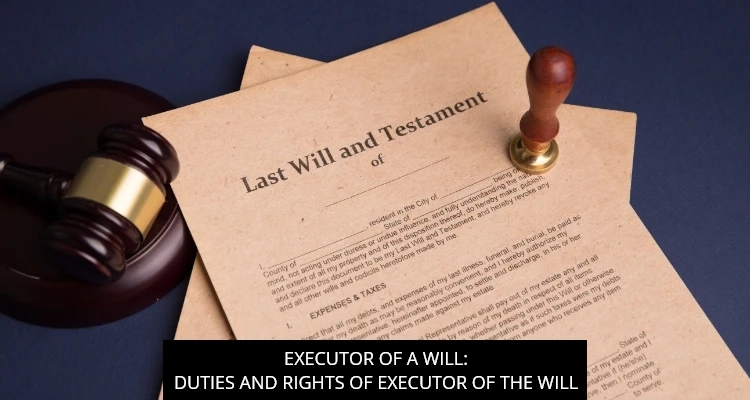
Estate planning is an essential part of securing the future for your loved ones. Among the many components of a proper estate plan, the role of a 遺囑 執行人 (executor of a will) is one of the most crucial. This individual ensures that the wishes of the deceased are respected, debts are settled, and assets are distributed according to the will. Understanding the responsibilities and challenges faced by a 遺囑 執行人 can help families avoid disputes and ensure a smooth transition of wealth.
Who is a 遺囑 執行人?
A 遺囑 執行人 is a person named in a will to carry out the instructions of the deceased. Typically, this role can be assigned to a trusted family member, friend, or a professional such as a lawyer or trust company. The selection of a competent executor is vital because this person will act as the bridge between the deceased’s estate and the beneficiaries. The executor must act in good faith, following the law and the instructions laid out in the will.
Key Responsibilities of a 遺囑 執行人
The duties of a 遺囑 執行人 are varied and require both legal and administrative skills. These responsibilities often include:
- Identifying and managing assets: The executor must locate all the assets of the deceased, including bank accounts, properties, investments, and personal possessions. This ensures that nothing is overlooked during the distribution process.
- Paying debts and taxes: One of the critical tasks of a 遺囑 執行人 is to ensure that any outstanding debts, mortgages, or taxes owed by the deceased are settled. Failure to address these obligations can create legal and financial complications for the beneficiaries.
- Distributing assets: Following the instructions outlined in the will, the executor distributes the estate among the beneficiaries. This task may involve selling property, transferring ownership, or liquidating investments to provide fair shares.
- Legal compliance: Executors are required to adhere to relevant laws, which may vary by jurisdiction. This includes filing necessary documents with probate courts and keeping detailed records of all financial transactions.
- Communicating with beneficiaries: Transparency is essential in this role. Regular updates and clear communication help prevent misunderstandings or disputes among family members.
Qualities of an Effective 遺囑 執行人
Being a 遺囑 執行人 is a position of trust and responsibility. Therefore, selecting the right person is crucial. Some qualities of an effective executor include:
- Integrity: The executor must act honestly and prioritize the intentions of the deceased over personal interests.
- Organization: Managing an estate involves numerous tasks that require meticulous record-keeping and attention to detail.
- Patience: The probate process can be lengthy and stressful, requiring calm and steady management.
- Financial literacy: Understanding financial documents, taxes, and investments is a significant advantage.
Challenges Faced by a 遺囑 執行人
Despite careful planning, executors often encounter challenges. Conflicts between beneficiaries, unclear instructions in the will, or missing assets can complicate the process. Legal disputes or misunderstandings may result in delays or additional expenses. Therefore, it is wise to provide the executor with guidance and, if necessary, professional support to navigate complex situations.
Conclusion
The role of a 遺囑 執行人 is central to ensuring that an estate is handled properly and according to the deceased’s wishes. From managing assets to distributing property and communicating with beneficiaries, the executor carries significant responsibilities that require integrity, organization, and patience. Choosing the right executor and providing them with proper guidance can make a difficult time smoother for everyone involved. By understanding the importance of this role, families can better plan for the future and avoid unnecessary complications.