


Understanding Right of Way Clearing in Mississippi: What Property Owners Should Know
When it comes to infrastructure and land development, Right of Way (ROW) clearing is an essential process, especially in a state like Mississippi, where natural growth can quickly overtake utility lines, roadways, and development zones. Whether it’s for power lines, pipelines, roads, or communication systems, ROW clearing ensures that these critical paths stay accessible, safe, and compliant with regulations.
In this blog, we’ll break down what right of way clearing involves, why it’s necessary, and what Mississippi property owners and contractors need to keep in mind when starting a project.
What Is Right of Way Clearing?
Right of Way clearing is the removal of trees, brush, stumps, and other obstacles from a defined path that allows access for construction, utilities, or maintenance. This path can be a narrow trail for fiber optic cables or a wide corridor for a new highway. ROW areas can pass through public or private land, and the clearing must follow specific legal and environmental guidelines.
In Mississippi, ROW clearing is especially important due to the state’s dense vegetation, humid climate, and frequent storms all of which make regular maintenance a must for preventing service interruptions or safety hazards.
Why Right of Way Clearing Matters in Mississippi
Maintains Utility Access
Overgrown vegetation can obstruct power lines, gas pipelines, and communication cables. Clearing the ROW ensures safe and reliable access for repairs and inspections.
Prevents Wildfires
Brush and dead trees can become fire hazards. Strategic clearing reduces these risks, particularly in Mississippi's drier summer months.
Ensures Public Safety
Untrimmed growth along roadways or railways can impair visibility or cause accidents. ROW clearing keeps these areas clear for safe travel.
Supports Infrastructure Projects
New roads, subdivisions, and utility installations all depend on cleared paths. Without proper ROW management, construction projects face delays and cost overruns.
Common Methods of Right of Way Clearing
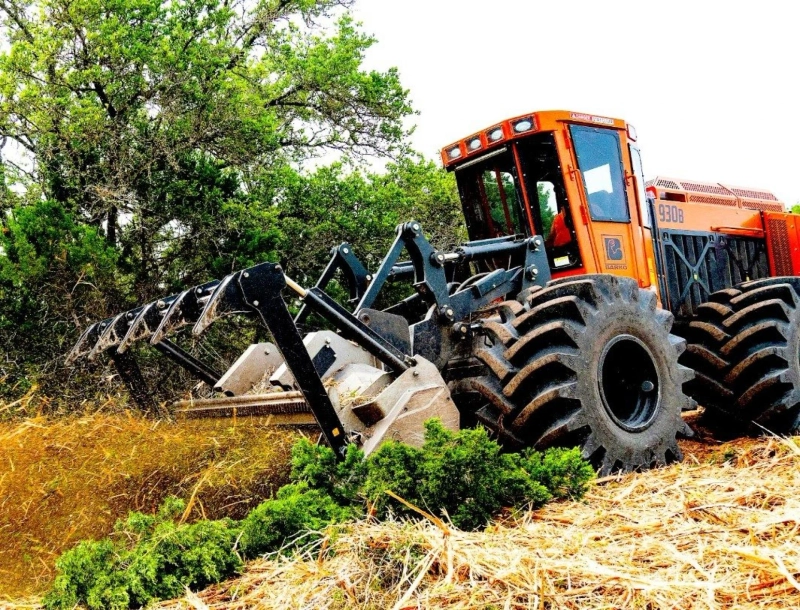
- Mechanical Clearing: This method uses bulldozers, forestry mulchers, and chainsaws to remove dense vegetation quickly. It’s efficient and ideal for larger projects.
- Hand Clearing: Crews use hand tools or chainsaws for precision work. It's more time-consuming but necessary in sensitive areas like wetlands or around endangered species.
- Herbicide Application: Selective herbicides can control regrowth without harming surrounding vegetation. This method is used for long-term maintenance, especially near utility lines.
- Controlled Burns: Though less common, prescribed burning can be effective in open rural areas when supervised by professionals and compliant with local fire laws.
Legal Considerations in Mississippi
Landowners in Mississippi should know that utility companies, municipalities, or state agencies often have legal access to ROW areas, even on private land. These easements are usually outlined in property deeds or granted through eminent domain.
Before any clearing begins:
- Check easement agreements for permitted activities.
- Confirm boundaries with a surveyor if needed.
- Coordinate with utility companies or municipalities to avoid liability issues.
Additionally, all clearing should comply with Mississippi's environmental regulations, especially if the ROW passes through wetlands, near waterways, or contains protected plant or animal species.
Best Practices for ROW Clearing Projects
- Hire Local Professionals: A Mississippi-based land clearing service will understand state laws, terrain challenges, and seasonal concerns.
- Use Eco-Friendly Methods: Whenever possible, choose techniques like forestry mulching that minimize soil disturbance and encourage natural regrowth.
- Plan for Maintenance: Initial clearing is only the first step. Ongoing trimming or mulching will be necessary to keep the ROW safe and accessible.
- Document the Process: Keep records of what was cleared, when, and how. This can help with future legal, insurance, or maintenance needs.
Choosing the Right ROW Clearing Company in Mississippi
Look for companies with:
- Experience in ROW projects
- Proper licensing and insurance
- Knowledge of local vegetation and environmental laws
- Positive reviews and references
Companies that specialize in right of way clearing in Mississippi understand the importance of balancing efficiency, compliance, and environmental care. They’ll also help you stay ahead of issues like regrowth, storm damage, and access problems.
Final Thoughts
Right of way clearing isn’t just about cutting down trees it’s about protecting infrastructure, ensuring safety, and preserving the land for future use. In Mississippi, where vegetation grows fast and weather is unpredictable, proactive and responsible clearing is more than a best practice it’s a necessity.
If you’re preparing for a project that involves ROW clearing, consider working with a local expert who knows how to get the job done right while respecting the unique Mississippi landscape.