



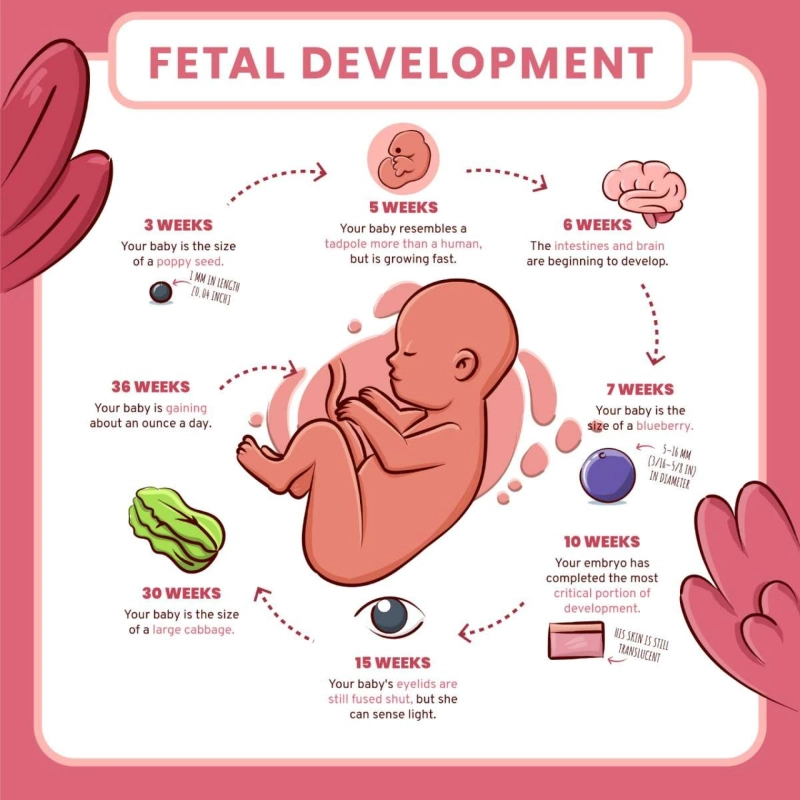
Pregnancy is a journey marked by continuous change, curiosity, and anticipation. Every month brings new developments for the baby and new experiences for the mother, from early hormonal shifts to the final stages of preparation for birth. Understanding these changes helps expecting mothers feel more confident, informed, and connected to their growing baby. To help, in this article, we offer a month-by-month overview of what happens at each stage, highlighting physical changes, emotional shifts, and important check-ups to keep in mind. Whether it’s your first pregnancy or a new chapter in your family’s journey, this guide is for you.
First Trimester (Months 1–3): Laying the Foundation
The first trimester is all about early development and adjustment. During these months, the baby’s organs begin forming, the heartbeat develops, and major body structures, including the brain, spinal cord, and limbs, take shape. This period is marked by rapid cellular growth and hormonal changes, which can lead to symptoms such as nausea, fatigue, mood swings, and heightened sensitivity to smells or certain foods. Emotional fluctuations are common, and many mothers may feel overwhelmed as their body adapts to the changes.
Also Read: 1 to 3 Month Pregnancy Diet Chart: Early Nutrition Guide for Expecting Mothers
Expecting parents focus on nutrition, rest, and medical guidance to support both maternal health and fetal development.
Recommended practices include:
- Consuming folate-rich foods, which help prevent neural tube defects, and staying well-hydrated to support overall wellbeing and digestion
- Prioritising adequate rest to manage fatigue and allow the body to adjust to hormonal changes
- Scheduling early prenatal check-ups to monitor fetal growth, track vital markers, and address any concerns promptly
- Adopting mindful lifestyle habits, including avoiding alcohol, smoking, and excessive caffeine, while incorporating gentle stress management and relaxation practices
Being aware of these changes and taking proactive steps not only supports the baby’s growth but also helps parents feel informed and confident during this delicate stage of pregnancy.
Second Trimester (Months 4–6): Growth and Energy
The second trimester is often called the “golden period” of pregnancy. During these months, the baby grows rapidly, early movements (quickening) are felt, and sensory development begins. Many mothers notice improved energy, a visible baby bump, and changes in sleep, skin, or hair as hormones stabilise.
Recommendations during this period generally include:
- Eating a diet rich in protein, iron, and calcium to support both maternal health and the baby’s development
- Gentle exercises such as prenatal yoga or walking improve circulation and ease minor discomforts.
- Attending mid-pregnancy scans and routine check-ups helps monitor growth and detect any concerns early.
- Wearing supportive clothing, maintaining the right posture, and adequate rest further enhance comfort and wellbeing during this stage.
Also Read: Checkups and Tests During Second Trimester
Third Trimester (Months 7–9): Final Preparations
During the final trimester, the baby continues to gain weight, organs mature, and most babies settle into the head-down position in preparation for birth. Mothers may experience backache, swelling, breathlessness, or disrupted sleep as the body adjusts to the growing baby.
To support both maternal comfort and fetal development, parents can prepare a hospital bag and finalise a birth plan to ensure readiness for delivery. Gentle stretches and maintaining good posture help ease discomfort and improve circulation. Emotional and practical support at home becomes essential, and more frequent doctor visits allow careful monitoring of both mother and baby. These steps help parents feel prepared, supported, and confident as the pregnancy nears its final stage.
Recognising the Warning Signs
While many symptoms during pregnancy are normal, certain changes require immediate medical attention. Heavy bleeding or severe abdominal pain should never be ignored, and a noticeable reduction in fetal movements may indicate potential concerns. Sudden swelling, dizziness, or vision changes, as well as high fever or unusual headaches, are also signs that require prompt evaluation. Seeking timely medical support ensures the safety and wellbeing of both mother and baby.
Supporting Health and Lifestyle Throughout Pregnancy
Expecting parents today prioritise a holistic approach to health and lifestyle. Balanced nutrition, including essential vitamins and minerals, plays a key role in supporting both maternal wellness and fetal development. Safe exercises and regular movement help maintain strength and flexibility, while stress management, emotional support, and adequate rest contribute to overall wellbeing. Equally important is avoiding harmful substances and unsafe practices to ensure a healthy pregnancy environment.
Planning for Delivery and Postpartum Care
Preparation for parenthood extends beyond pregnancy itself. Expecting parents take time to understand delivery options and make informed decisions about their preferences. Arranging home support for newborn care is essential, as is learning the basics of maternal recovery and infant care. Staying informed about when to seek medical help ensures that both mother and baby are supported throughout the transition from pregnancy to early parenthood.
Final Thoughts
Every pregnancy is unique. Awareness of month-by-month changes empowers parents to make thoughtful choices, reduce anxiety, and enjoy a safer, more supported journey. By combining care, preparation, and knowledge, expecting parents create a positive foundation for both maternal wellbeing and the baby’s healthy start to life.
Frequently Asked Questions:
How can parents track fetal development effectively during pregnancy?
Parents can track fetal development using a combination of medical check-ups, ultrasound scans, and pregnancy apps. Keeping a journal of fetal movements, growth milestones, and maternal symptoms also helps monitor progress. Regular consultations with healthcare providers ensure that any concerns are addressed promptly.
What lifestyle habits can support a smoother pregnancy experience?
Maintaining a balanced diet, staying hydrated, engaging in safe physical activity like walking or prenatal yoga, and ensuring sufficient rest can improve maternal wellbeing. Mindfulness practices, such as meditation or deep breathing, also help manage stress and contribute to a healthier pregnancy.
When should expecting mothers seek help for unusual symptoms?
Symptoms like persistent severe abdominal pain, sudden swelling, vision changes, or significant reduction in fetal movements warrant immediate medical attention. Early intervention can prevent complications and ensure safety for both mother and baby.
How can parents prepare for postpartum life while still pregnant?
Parents can plan by setting up a support system at home, arranging for childcare help, preparing essential supplies, and learning basic newborn care techniques. Emotional readiness, realistic expectations, and having contingency plans in place can make the transition smoother after birth.
Can understanding each stage of pregnancy reduce anxiety for parents?
Knowing what to expect month by month helps parents feel more in control and less anxious. Tracking fetal growth, understanding maternal body changes, and following care routines create confidence. Some parents also explore long-term biological preparedness, such as storing newborn stem cells in controlled, accredited facilities. These steps provide a potential resource for future health needs, giving parents reassurance and a sense of security throughout pregnancy.