



Introduction
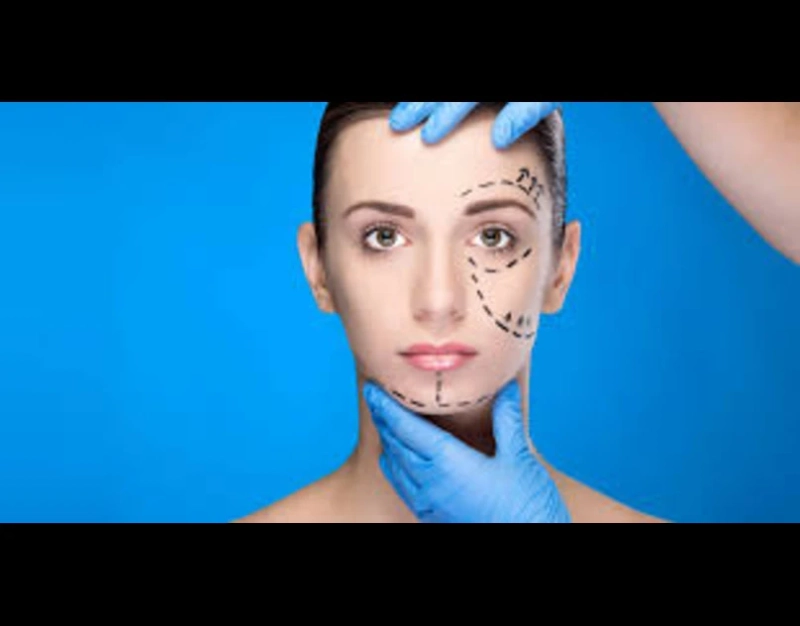
In recent decades, plastic surgery has transitioned from being a luxury of the elite to a widely accepted form of self-enhancement for people across the globe. Whether it's for reconstructive purposes or aesthetic improvement, Plastic surgery offers individuals the opportunity to align their physical appearance with their self-image. As technology advances and procedures become safer and more refined, the stigma once associated with plastic surgery is steadily dissolving. Today, it plays a vital role in improving lives by boosting confidence, correcting physical abnormalities, and even aiding emotional recovery after trauma.
The Many Facets of Plastic Surgery
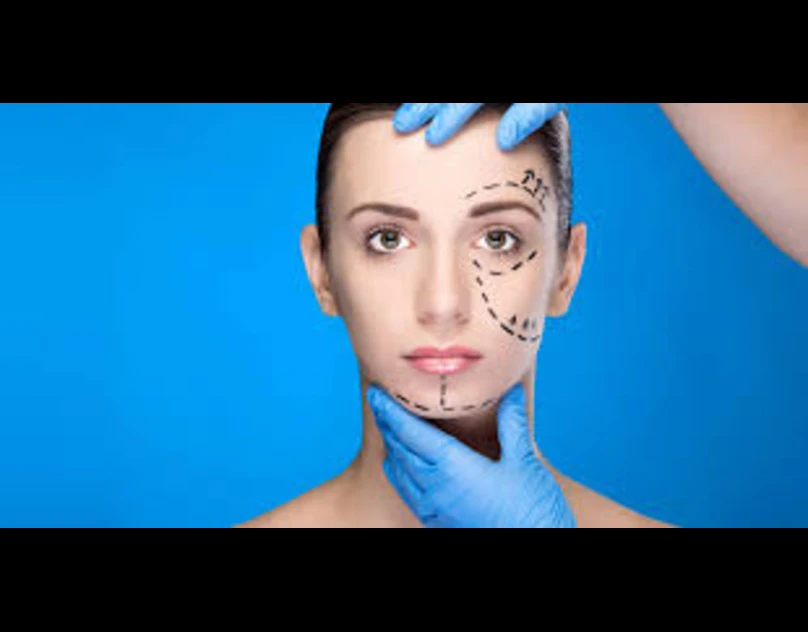
Plastic surgery is broadly categorized into two types: reconstructive surgery and cosmetic surgery. Reconstructive surgery is performed to restore function and appearance to body parts affected by congenital defects, trauma, burns, or medical conditions such as cancer. Common procedures include cleft palate repair, breast reconstruction post-mastectomy, and scar revision. These surgeries are often medically necessary and aim to improve quality of life.
Cosmetic surgery, on the other hand, is elective and focuses primarily on enhancing aesthetics. Popular procedures include rhinoplasty (nose reshaping), liposuction, facelifts, breast augmentation, and tummy tucks. With innovations like minimally invasive techniques, laser treatments, and advanced fillers, the cosmetic surgery industry has seen a dramatic rise in demand from both men and women.
A key benefit of cosmetic procedures is the improvement of self-esteem. Many individuals who feel self-conscious about certain aspects of their appearance find new confidence after undergoing a procedure. This psychological uplift can positively influence various aspects of life, including social relationships and career opportunities.
Safety, Trends, and Choosing the Right Surgeon
With the growing popularity of plastic surgery, patient safety has become a top priority in the industry. Board-certified plastic surgeons undergo extensive training and adhere to strict ethical and procedural standards. Patients are encouraged to thoroughly research a surgeon’s credentials, review before-and-after galleries, and consult multiple professionals before proceeding.
Technological advancements have greatly enhanced the safety and effectiveness of procedures. Non-surgical options such as Botox, dermal fillers, and laser treatments offer subtle yet significant improvements with minimal recovery time. These innovations have made aesthetic enhancements more accessible and less intimidating for first-time patients.
The rise of social media has also fueled trends in plastic surgery. Filters, selfies, and influencer culture contribute to increasing awareness and interest in achieving a "perfect" look. While this has its benefits, it also raises concerns about unrealistic expectations and the psychological impact of comparison. Surgeons now play a dual role: performing procedures and guiding patients toward realistic, healthy goals.
Conclusion
Plastic surgery is no longer just about vanity; it's about empowerment, healing, and personal choice. Whether someone seeks to restore their appearance after an accident or enhance a feature that affects their self-esteem, the decision to undergo plastic surgery is deeply personal. Thanks to medical advancements and growing societal acceptance, individuals today have more freedom and safety in choosing how they want to look and feel.
Ultimately, plastic surgery—when approached with realistic expectations and professional guidance—can be a transformative journey. It's not about changing who you are but enhancing the version of yourself you already love. As with any medical decision, doing your research, understanding the risks and benefits, and choosing a qualified surgeon are essential steps in making informed, confident choices about your appearance.