



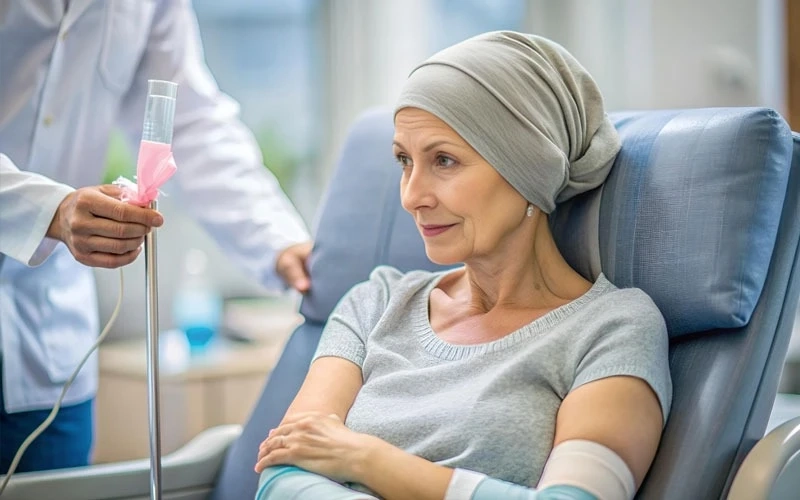
Chemotherapy, or chemo, is one of the basic foundations for treating cancer. Chemotherapy in delhi entails the administration of potent medications for the eradication of malignant cells or for restricting the growth and division of these cells. This approach can either be sole or in combination with surgery, radiation, hormone therapy, or immunotherapy. Cancer cells multiply rapidly, thus necessitating chemotherapy to target this uncontrolled proliferation. But dealing with healthy cells requires precision, planning, and care.
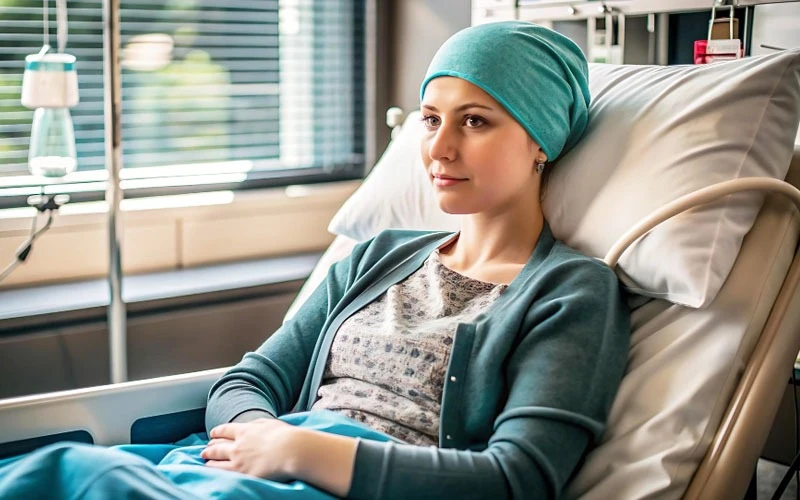
What Chemotherapy Is & How It Works:
Medications that interfere with the entire process of cell division, especially in cancer cells, are chemotherapy. Cells grow, copy, and divide genetic materials into a new cell during cell division. These medications act on various stages of that process, based on the drug type or treatment scheme.
As chemotherapy travels through the bloodstream around the body, it reaches the primary and metastatic (spread) cancer sites owing to its systemic action. Therefore, chemotherapy would be successful wherever the cancer may be hiding, unlike more localised treatments such as surgery or radiation.
Treatment Objectives:
Oncologists tailor the use of chemotherapy according to the cancer type and stage of each patient:-
- To cure — Get rid of the cancer fully so it does not come back.
- Neoadjuvant therapy — Shrink a tumour before surgery or radiotherapy so the rest of the treatments can work better.
- Adjuvant therapy — Destroy any leftover cancer cells after surgery or radiation to decrease the chances of recurrence.
- Palliative Chemotherapy — Reduce symptoms and enhance life quality when a cancer cannot be cured.
Types or Modes of Chemotherapy Administration:
There are various methods by which a chemotherapy regimen can be administered:-
- Intravenously, it can be done through IV infusion, placing a needle into the vein, or pumping it up through the tube carrying venous blood.
- Oral intake at home in the form of tablets or capsules.
- Such injections are given intradermally and intramuscularly as well.
- Certain skin-related conditions can be treated by applying creams over the affected area.
Usually, treatment occurs in cycles during which periods of administering meds and resting alternate so healthy cells can recuperate.
The Common Side Effects & Why They Happen:
Chemotherapy in delhi can control rapidly proliferating cells, like cancer and healthy cells in hair roots, intestines, and blood. Hence, there are frequent side effects:-
- Fatigue and weakness
- Nausea and vomiting changes in appetite
- Hair thinning or loss
- Lowered immune function and infectious risks
- Malfunction in the blood, such that anaemia and clotting
- Digestive problems like diarrhoea and mouth sores
Certain medicines have specific side effects, such as heart health, nerve functioning, or cognitive powers. Most of these side effects lessen and fade once the treatment ends. Still, the effects may become chronic to some, which further justifies the need for indisputable continuous monitoring.
Extended Effects & Cognitive Effects:
Some patients get long-term effects during chemotherapy, like neuropathy (numbness, tingling, or weakness in the limbs). It might well persist long after treatment ends. Others report not remembering things well or having difficulty focusing, which is commonly termed “chemo brain.” Among patients, these same effects will cease sooner or take more time to clear up, and in consideration, early recognition and management will be central.
Treatment Planning & Personalisation:
There is no single chemotherapy in delhi plan that fits all patients. Doctors take into consideration:-
- The specific type and stage of cancer.
- Whether the patient has received chemotherapy before.
- Other existing health problems, for example, diabetes or heart issues.
The condition could be treated in hospitals, outpatient clinics, or even at home under supervision. Most plans run for months and include several cycles, often within intervals that allow for healthy recovery.
Management of Side Effects & Support:
Moreover, medical teams actively provide patients with:-
- Personalised medications for nausea and vomiting
- Methods for treating fatigue and low blood counts
- Advice on how to rest and exercise at a light level
- Emotional psychosocial support
- Fertility counselling where the treatment has a chance of affecting reproductive health.
So they put some patients on fertility preservation options, such as banking eggs or sperm, before commencing treatment.
Safety Measures for Patients & Caregivers:
Chemo drugs, as well as byproducts of the drugs, can often end up in bodily excretions, such as urine or vomit, for a specific period; thus, precautions undertaken include:-
- Disposing of contaminated materials
- Cleaning and hygiene protocols
- Handling medicine containers and disposables safely
All these measures serve to protect both the patients and anyone assisting them.
When Cancer Returns or Treatment Goals Shift:
When dealing with a case of remission from active treatment of a malignancy, the recurrence of cancer could throw a wrench in treatment plans. Should this circumstance arise, a fresh perspective might see a form of treatment that could be:-
- Faced with multiple rounds of chemotherapy
- Using other drug combinations
- Palliative, for the sake of comfort
- Ongoing assessment and management of symptoms 10-navigating the emotional pathway beyond the treatment
Navigating the Emotional Journey:
Chemotherapy can be taxing on both the body and the mind. Strong support systems help:-
- Reach out to family, friends, or patient support groups
- Seek counselling or mental health professional help, if needed
- Maintain clear lines of communication with your medical team
- Pick up knowledge about your treatment to empower your spirit to be forearmed
Conclusion:
Chemotherapy is still, and rightly so, a strong and indispensable weapon in fighting cancer. Application of chemotherapy may differ from one patient to another, depending on the nature of the disease. It is given as a primary cure, supporting treatment before or after surgery, or alleviating symptoms with a dose the doctor considers proper. The side effects are part of the experience; however, modern oncological practice has many avenues toward safe management of such side effects. Patient comfort, safety, and quality of life come first, emphasising the need for well-coordinated and caring treatment during therapy and beyond.
We at Lyfecare, offer specialized Chemotherapy in Delhi for effective cancer treatment. Consult our cancer specialist at our facility and take the first step towards advanced cancer treatment.
#Immunotherapy in Delhi #Cancer Hospital in Delhi
Also visit: https://www.lyfemedicare.com/blog/a-comprehensive-guide-to-chemotherapy-in-delhi/