



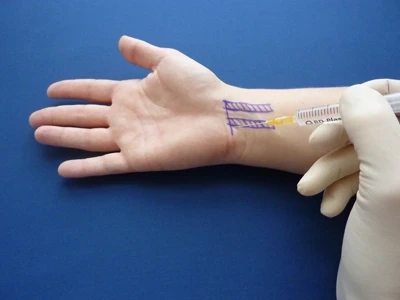
Carpal tunnel syndrome is a common and often frustrating condition that affects millions of people worldwide. Characterized by pain, tingling, numbness, and weakness in the hand and wrist, it can make even the simplest daily activities—like typing, gripping, or holding objects—difficult and uncomfortable. Among the various treatment options available, carpal tunnel injections have become a popular choice for those seeking non-surgical relief. These injections can help reduce inflammation, relieve pain, and improve hand function, often offering significant short-term improvement for individuals struggling with persistent symptoms.
What Is Carpal Tunnel Syndrome?
Carpal tunnel syndrome occurs when the median nerve, which runs from the forearm into the hand through a narrow passageway called the carpal tunnel, becomes compressed or irritated. This nerve is responsible for sensation in the thumb, index, middle, and part of the ring finger, as well as movement in some hand muscles.
Repetitive motions, wrist injuries, arthritis, fluid retention, or even hormonal changes can contribute to this compression. People who spend long hours typing, using vibrating tools, or performing repetitive hand motions are at an increased risk. The symptoms typically start gradually and can worsen over time, leading to persistent numbness or weakness if left untreated.
Non-Surgical Treatment Options
Before considering surgery, most patients explore non-invasive or minimally invasive treatments. Wrist splints, activity modification, physical therapy, and anti-inflammatory medications are common first steps. However, when these approaches fail to provide sufficient relief, physicians may recommend carpal tunnel injections to reduce inflammation and alleviate symptoms.
These injections are often seen as an intermediate step—more powerful than oral medication but less invasive than surgery. For many patients, they offer an effective way to manage pain and restore function without undergoing an operation.
What Are Carpal Tunnel Injections?
Carpal tunnel injections involve the administration of medication directly into the carpal tunnel area of the wrist. The most commonly used substances are corticosteroids, which are potent anti-inflammatory agents. These steroids work by reducing swelling around the median nerve, relieving pressure, and subsequently decreasing pain and tingling sensations.
The procedure is typically performed in a clinical setting by a trained healthcare professional such as an orthopedic specialist, rheumatologist, or pain management physician. The process is quick, generally taking only a few minutes, and is often guided by ultrasound to ensure accurate placement of the medication.
How Carpal Tunnel Injections Work
The main goal of the injection is to reduce inflammation in the carpal tunnel. When the tissues surrounding the median nerve become swollen, they narrow the tunnel and increase pressure on the nerve. By injecting corticosteroids into the affected area, inflammation subsides, allowing the nerve to function more freely and reducing the painful symptoms.
This treatment doesn’t “cure” the underlying cause of the condition, but it can provide valuable relief that allows patients to perform daily activities more comfortably. It may also give them the opportunity to engage more effectively in physical therapy or ergonomic adjustments that can prevent recurrence.
The Injection Procedure: Step-by-Step
Understanding what happens during a carpal tunnel injection can help ease anxiety and prepare patients for the experience. Here’s what a typical procedure looks like:
Assessment and Preparation:
Before the injection, the doctor examines the wrist and may use imaging to confirm the diagnosis. The area is cleaned thoroughly to prevent infection.
Anesthesia:
A local anesthetic may be applied to numb the injection site. This helps reduce discomfort during the procedure.
Injection:
Using a fine needle, the physician injects the corticosteroid medication—sometimes combined with a local anesthetic—into the carpal tunnel space. Many specialists use ultrasound guidance to ensure precise placement.
Post-Injection Care:
After the injection, patients may be advised to rest the wrist for a day or two. Some soreness or mild swelling at the injection site can occur but typically resolves quickly.
Expected Results and Recovery
Most patients begin to feel relief within a few days after receiving a carpal tunnel injection. The pain and tingling often decrease, and hand function improves. For some, the benefits can last for several months or even longer, depending on the severity of the condition and individual response to the treatment.
It’s important to note that the relief is usually temporary. The inflammation may return over time, especially if the underlying cause—such as repetitive strain or poor wrist posture—is not addressed. However, many people find that injections help them break the cycle of pain long enough to make lifestyle changes, complete physical therapy, or simply regain their comfort.
Benefits of Carpal Tunnel Injections
Carpal tunnel injections offer numerous advantages, particularly for individuals who want to avoid or delay surgery. Some of the key benefits include:
- Quick Relief: Many patients experience significant symptom reduction within days.
- Minimally Invasive: The procedure involves only a small needle and minimal downtime.
- Non-Surgical: Ideal for those hesitant about undergoing surgery.
- Supports Rehabilitation: Reduced pain allows patients to better participate in wrist exercises or ergonomic corrections.
- Diagnostic Value: A strong response to the injection can help confirm that symptoms are indeed due to carpal tunnel syndrome.
These benefits make injections a valuable part of a comprehensive treatment plan for mild to moderate cases of the condition.
Potential Risks and Side Effects
Although generally safe, carpal tunnel injections are not without risks. Side effects are rare but can include temporary pain at the injection site, minor bleeding, infection, or skin discoloration. In some cases, patients may experience a brief flare-up of pain following the procedure.
Repeated steroid injections in the same area should be approached with caution, as excessive use may weaken tendons or cause tissue thinning. That’s why doctors usually limit the number of injections a patient can receive within a specific timeframe—typically no more than three per year.
If a patient experiences persistent numbness, increased swelling, or any signs of infection after the injection, they should contact their healthcare provider immediately.
Comparing Injections with Surgery
When conservative treatments and injections fail to provide lasting relief, surgery may become necessary. Carpal tunnel release surgery involves cutting the ligament that forms the top of the tunnel, thereby relieving pressure on the median nerve.
While surgery offers a more permanent solution, it comes with longer recovery times and potential complications. In contrast, injections are quick, affordable, and require minimal downtime, making them an excellent first-line or intermediate approach before surgery is considered.
For patients with mild or moderate symptoms, injections often provide enough relief to avoid surgery altogether. However, those with severe or long-standing nerve compression may ultimately require surgical intervention for complete recovery.
Combining Injections with Other Treatments
To maximize the effectiveness of carpal tunnel injections, doctors often recommend combining them with other treatments. This may include:
Wrist splinting at night to prevent flexion and relieve pressure.
Physical therapy to strengthen wrist and hand muscles.
Ergonomic adjustments at work to reduce repetitive strain.
Anti-inflammatory medications for ongoing symptom control.
Lifestyle changes, such as taking frequent breaks from typing or tool use.
This integrated approach helps address both the symptoms and the root causes, improving the long-term outcome.
Who Should Consider Carpal Tunnel Injections?
Not everyone with carpal tunnel syndrome is an ideal candidate for injections. The treatment is best suited for individuals with mild to moderate symptoms that have not improved with rest, splinting, or medications.
People who have recently developed symptoms often respond better than those with chronic or severe nerve damage. It’s also a good option for patients who cannot undergo surgery due to medical reasons or who wish to delay surgery for personal or professional reasons.
Your doctor will evaluate the severity of your condition, medical history, and overall health before recommending this treatment.
When to Seek Professional Help
Persistent wrist pain, numbness, or tingling should never be ignored. Early diagnosis and treatment can prevent permanent nerve damage and improve recovery outcomes. If symptoms interfere with daily tasks or sleep, it’s essential to consult a healthcare provider for evaluation.
A specialist can help determine whether carpal tunnel injections are appropriate or whether other therapies may be more effective. Timely medical attention ensures the best possible prognosis.
Conclusion
Carpal tunnel syndrome can greatly affect your quality of life, making it difficult to work, sleep, or enjoy everyday activities. Carpal tunnel injections offer a valuable non-surgical option for relieving pain and inflammation associated with this condition. While the relief may not be permanent, it often provides enough improvement to restore function, enhance comfort, and delay or even avoid surgery.
By combining injections with proper wrist care, ergonomic adjustments, and physical therapy, many individuals can successfully manage their symptoms and regain control over their daily activities. If you’re struggling with persistent wrist discomfort, talk to your doctor about whether an injection could be the right next step toward healing and recovery.