



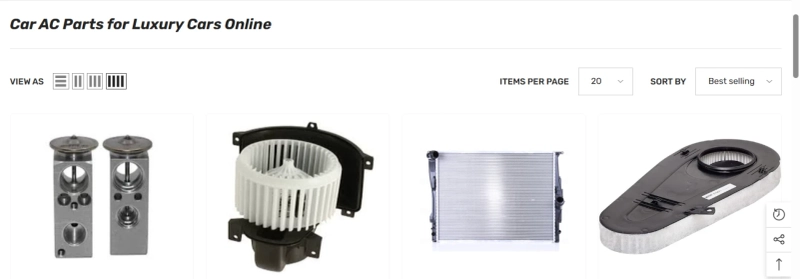
Car Air Conditioning parts are essential components that keep your vehicle’s cabin cool, comfortable, and humidity-free, especially during hot weather. Whether you drive a compact hatchback or a luxury sedan, the air conditioning (AC) system plays a vital role in ensuring a pleasant driving experience. Knowing how these parts work and when they need maintenance can save you from sudden breakdowns, expensive repairs, and uncomfortable journeys.
Key Components of a Car AC System
A car’s AC system is made up of several interconnected parts, each with a specific function. Together, they regulate temperature, remove moisture, and circulate fresh air inside the vehicle. Here are the main car air conditioning parts and their roles:
- Compressor
- The compressor is often called the “heart” of the AC system. It pumps refrigerant through the system, compressing it into a high-pressure, high-temperature gas. This process allows the refrigerant to move through the condenser and evaporator to absorb and release heat. A faulty compressor can lead to weak cooling or complete system failure.
- Condenser
- Located at the front of the car, near the radiator, the condenser cools the high-pressure gas coming from the compressor. As air flows over the condenser, the refrigerant changes from gas to liquid, releasing heat outside the vehicle. Dirty or clogged condensers can reduce cooling efficiency and strain the compressor.
- Evaporator
- Positioned inside the cabin, the evaporator absorbs heat from the air inside the car. When the refrigerant passes through it, it evaporates and cools down the air before blowing it into the cabin. A damaged evaporator can cause warm air to flow despite the AC being turned on.
- Receiver-Drier or Accumulator
- This component filters out moisture and debris from the refrigerant, ensuring that only clean refrigerant enters the system. Moisture inside the AC system can freeze and cause blockages, reducing cooling performance and damaging other parts.
- Expansion Valve or Orifice Tube
- The expansion valve regulates the flow of refrigerant into the evaporator. By lowering the pressure, it allows the refrigerant to absorb more heat. If this valve becomes clogged or stuck, the AC may blow inconsistent temperatures or stop cooling entirely.
- Refrigerant
- Though not a mechanical part, refrigerant (commonly R134a or R1234yf) is the lifeblood of the AC system. It cycles through the system to absorb and release heat. Low refrigerant levels can cause poor cooling and damage other AC components.
- Blower Motor and Fans
- These components push cooled air into the car’s cabin. A failing blower motor or malfunctioning fan can lead to weak airflow, even if other parts are functioning correctly.
Common Signs of Faulty Car Air Conditioning Parts
Recognizing early warning signs of AC problems can prevent costly repairs. Some common symptoms include:
- Weak or No Cooling: Often caused by low refrigerant, a damaged compressor, or a clogged condenser.
- Unusual Noises: Grinding, squealing, or rattling sounds can indicate compressor or fan issues.
- Bad Odors: A musty smell may suggest mold growth in the evaporator or cabin filter.
- Water Leaks Inside the Cabin: This can occur if the evaporator drain is clogged.
- Fluctuating Airflow: Could be due to a failing blower motor or blocked vents.
If you notice any of these issues, it’s important to have your AC system inspected by a professional technician.
Importance of Regular Maintenance
Routine maintenance of car air conditioning parts extends their lifespan and ensures consistent performance. Key maintenance steps include:
- Checking Refrigerant Levels: Low refrigerant reduces cooling efficiency and can damage the compressor.
- Cleaning the Condenser: Dirt and debris can restrict airflow and reduce cooling power.
- Replacing the Cabin Air Filter: A clogged filter reduces airflow and may cause unpleasant odors.
- Inspecting Belts and Hoses: Cracks or leaks can lead to refrigerant loss and system failure.
- Running the AC Regularly: Even in winter, running the AC for a few minutes keeps seals lubricated and prevents refrigerant leaks.
Choosing Quality Replacement Parts
When repairs are necessary, using high-quality car air conditioning parts is crucial. Cheap or counterfeit components may not meet safety standards, leading to repeated failures or damage to other AC system elements. Always purchase parts from trusted suppliers or authorized service centers. OEM (Original Equipment Manufacturer) parts are ideal for ensuring compatibility and durability, while reputable aftermarket options can also provide good performance at a lower cost.
Energy Efficiency Tips
A well-maintained AC system not only keeps you cool but also improves your car’s fuel efficiency. To reduce strain on the AC and save energy:
- Park in shaded areas to reduce cabin heat.
- Use sunshades to block direct sunlight.
- Allow hot air to escape by opening windows briefly before turning on the AC.
- Set the AC to recirculation mode to cool the already cooled air inside the cabin.
Final Thoughts
Car air conditioning parts work together to deliver comfort and safety during every drive. Understanding the function of each component, recognizing early signs of trouble, and performing regular maintenance can prevent unexpected breakdowns and expensive repairs. Whether it’s replacing a worn-out compressor, refilling refrigerant, or cleaning the condenser, timely care ensures that your AC system keeps performing at its best, keeping every journey cool and pleasant.