




When it comes to architectural elements that blend safety, structure, and beauty, balustrades rank high on the list. These rows of small columns topped by a rail not only serve as essential safety features on staircases, balconies, terraces, and bridges but also contribute significantly to the aesthetic appeal of buildings. Whether you're renovating your home, building a new property, or simply exploring architectural designs, knowing about balustrades can help you make informed choices.
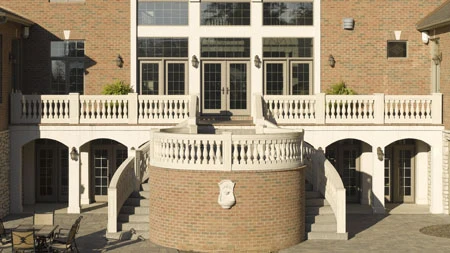
What is a Balustrade?
A balustrade is a railing supported by a series of vertical balusters or spindles, typically found on staircases, porches, terraces, and balconies. The word "balustrade" comes from the Italian word balaustra, which refers to the pomegranate flower—whose shape is mimicked by the traditional baluster. Balustrades serve both a functional and aesthetic purpose. Functionally, they act as barriers to prevent falls and enhance safety. Aesthetically, they add elegance and sophistication to any structure, often becoming a focal point in architectural design.
History and Evolution
Balustrades have a rich history dating back to ancient times. They were prominently used in Renaissance architecture and are often seen in palaces, cathedrals, and historical monuments. Initially crafted from stone or wood, modern-day balustrades now come in a wide variety of materials to suit different architectural styles.
From classical stone carvings to sleek glass panels, balustrades have evolved with the times while maintaining their essential role in architecture.
Common Materials Used in Balustrades
Modern balustrades are made from various materials, each with its own set of benefits. Here's a look at some of the most common:
1. Wood
Traditional and timeless, wooden balustrades are often found in colonial and rustic designs. They're easy to customize and can be stained or painted to match interior décor.
2. Steel or Wrought Iron
These offer strength and a more contemporary or industrial aesthetic. Wrought iron is especially popular for ornate designs, while stainless steel is favored for modern minimalism.
3. Glass
For those seeking unobstructed views and a modern appearance, glass balustrades are ideal. They are often used in luxury homes, hotels, and commercial buildings.
4. Stone or Concrete
Common in classical and Mediterranean architecture, these balustrades offer durability and grandeur. They’re ideal for outdoor installations where weather resistance is a priority.
5. Aluminum or Composite Materials
Lightweight, rust-resistant, and available in many styles, aluminum and composites offer affordability and easy maintenance.
Applications of Balustrades
Balustrades can be found in many architectural settings, including:
- Staircases: Providing safety while enhancing the visual flow of interior spaces.
- Balconies: Adding elegance while preventing falls.
- Terraces and Verandas: Blending safety and style in outdoor living areas.
- Decks and Patios: Offering both boundaries and aesthetic definition.
- Bridges and Walkways: Ensuring safety in public infrastructure.
Benefits of Installing Balustrades
- Safety: The primary purpose of any balustrade is to protect people from falling off elevated surfaces.
- Aesthetic Appeal: With so many design and material options, balustrades can be tailored to complement any architectural style.
- Increased Property Value: Elegant balustrades can significantly boost the visual appeal and value of your property.
- Durability: Materials like steel, glass, and composite can offer long-lasting solutions with minimal upkeep.
- Customization: From sleek, minimalist panels to ornate carvings, balustrades can be customized to match your vision.
Choosing the Right Balustrade for Your Property
When selecting a balustrade, consider the following:
- Location: Indoor vs. outdoor installations may require different materials.
- Style: Match the design to your property’s architecture.
- Maintenance: Choose materials that align with your preferred maintenance level.
- Budget: Balance aesthetics with functionality and cost.
- Building Codes: Always check local regulations for height and spacing requirements.
Trends in Modern Balustrade Design
- Frameless Glass Balustrades: Popular for their clean lines and unobstructed views.
- Cable Rail Systems: Offering an industrial look while maintaining visibility.
- Mix of Materials: Combining wood and metal, or glass and steel, for a contemporary feel.
- LED Lighting Integration: Adding ambient lighting within the rail or base.
Sustainability and Eco-Friendly Choices
As sustainable building becomes a priority, many are opting for balustrades made from recycled or eco-friendly materials. Aluminum, glass, and composite options are not only durable but also better for the environment.
Trust the Experts: Melton Classics
When it comes to timeless design and high-quality materials, Melton Classics is a leading provider of premium architectural balustrades. Whether you're restoring a historic property or designing a modern masterpiece, Melton Classics offers a range of customizable solutions to meet your specific needs. Their attention to detail and craftsmanship ensures a perfect blend of function and elegance.
Conclusion
Balustrades are more than just safety features—they’re a key architectural element that enhances the beauty, function, and value of any space. With a wide range of materials, styles, and applications, choosing the right balustrade can significantly influence your property's aesthetic and structural appeal. Whether you opt for traditional stone or modern glass, the right balustrade can turn an ordinary stairway or balcony into a stunning architectural statement.
Frequently Asked Questions (FAQs)
Q1: What is the difference between a baluster and a balustrade?
A baluster is a single vertical post, while a balustrade refers to the entire system, including the handrail, balusters, and base.
Q2: Are glass balustrades safe?
Yes, modern glass balustrades are made from toughened or laminated safety glass and are compliant with building safety standards.
Q3: How do I maintain my balustrade?
Maintenance depends on the material. For example, wood needs regular staining or sealing, while stainless steel and glass just require occasional cleaning.
Q4: Do balustrades require building permits?
In many areas, installing a balustrade—especially for decks, balconies, or stairs—requires compliance with local building codes. Always check with your local authority.
Q5: Can I install a balustrade myself?
While DIY installation is possible for some systems, professional installation is recommended to ensure safety and compliance, especially for high or load-bearing areas.