



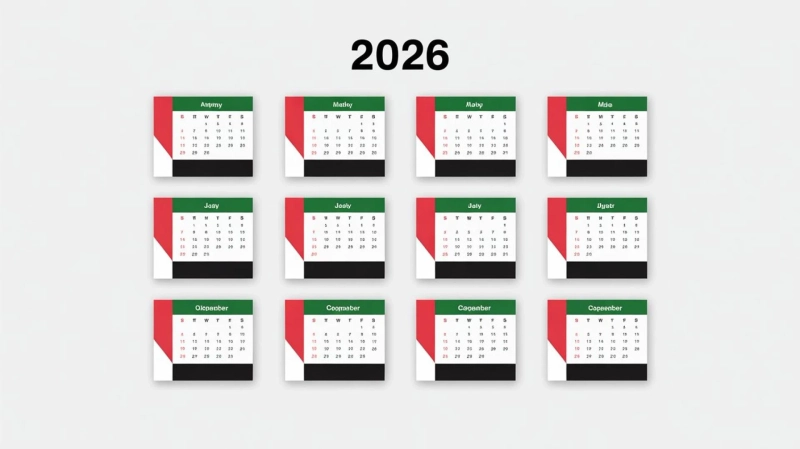
The United Arab Emirates is a country known for its rich cultural heritage, strong Islamic traditions, and forward-looking modern identity. Public holidays in the UAE reflect these values: they commemorate religious observances, historical milestones, and national achievements. As we look ahead to 2026, the UAE calendar reveals a mix of fixed and lunar-based holidays, offering residents and visitors several opportunities for celebration, reflection, and extended breaks.
This guide covers all expected public holidays in 2026, explains their cultural significance, and offers tips on how to plan around them.
1. Overview of UAE Public Holidays in 2026
Below is the expected list of UAE public holidays for 2026. Dates for Islamic holidays are based on predicted moon sightings and may shift slightly as the year approaches.
Expected UAE Public Holidays (2026)
HolidayExpected Date(s)New Year’s Day
January 1, 2026Leilat al-Miraj (Isra & Mi’raj)
January 16, 2026Start of RamadanAround
February 18, 2026Eid al-Fitr
March 20–22, 2026Arafat Day
May 26, 2026Eid al-Adha
May 27–29, 2026Islamic (Hijri) New Year
June 16, 2026Prophet Muhammad’s Birthday (Mawlid)
August 25, 2026Commemoration Day
December 1, 2026UAE National Day
A new public holiday policy in the UAE allows certain holidays to be moved to the beginning or end of a week, making long weekends more common. However, Islamic holidays such as Eid al-Fitr and Eid al-Adha always follow the lunar calendar and cannot be shifted.
2. Major Holidays Explained
To fully appreciate UAE public holidays, it’s helpful to understand the traditions and values behind them. Here are the key holidays and what they represent:
New Year’s Day – January 1
The UAE observes the start of the Gregorian calendar year as a public holiday, giving residents a chance to relax, reflect, and celebrate the arrival of a new year. While not religious, it is widely observed throughout the country.
Leilat al-Miraj (Isra & Mi’raj) – January 16
Leilat al-Miraj commemorates the miraculous night journey of Prophet Muhammad from Mecca to Jerusalem and his ascension to the heavens. It is a spiritual holiday marked by prayers, Quran recitations, and reflection rather than large public celebrations.
Ramadan Begins – Around February 18
Ramadan is the holiest month in Islam—a time dedicated to fasting, spiritual renewal, prayer, and charity. Muslims fast daily from dawn to sunset and engage in acts of kindness and compassion.
Common Ramadan traditions include:
- Iftar: The meal that breaks the fast at sunset.
- Suhoor: A pre-dawn meal before the day’s fast begins.
- Taraweeh: Special nightly prayers performed in mosques.
- Charity: Increased giving to those in need is highly encouraged.
The UAE embraces a peaceful and reflective atmosphere throughout the month, with shorter working hours and increased community activities.
Eid al-Fitr – March 20–22
Eid al-Fitr marks the end of Ramadan and is one of the most joyous Islamic holidays.
Celebrations typically include:
- Morning Eid prayers
- Visiting family and friends
- Giving gifts, especially to children
- Donating to charity (Zakat al-Fitr)
- Enjoying festive meals and gatherings
Shops and public venues often come alive with decorations, special offers, and community events. It’s a time of gratitude, unity, and celebration.
Arafat Day – May 26
Arafat Day falls on the 9th day of Dhul Hijjah, the month of pilgrimage. It is one of the most significant days in Islam. Pilgrims performing Hajj gather on the Plain of Arafah, while Muslims around the world observe the day through prayer, supplication, and fasting.
Eid al-Adha – May 27–29
Known as the “Festival of Sacrifice,” Eid al-Adha commemorates Prophet Ibrahim’s devotion and willingness to sacrifice his son in obedience to God. God replaced the child with a ram, and this is remembered through the tradition of sacrifice.
Key traditions include:
- Eid prayers in mosques or open-air grounds
- Animal sacrifice, with meat shared among family, neighbors, and those in need
- Gatherings and feasts with loved ones
- Acts of charity
Because Eid al-Adha follows Arafat Day, the holiday often stretches into a long break. In 2026, residents can expect one of the longest holiday periods of the year, often extending up to six days when combined with weekends.
Islamic (Hijri) New Year – June 16
The Islamic New Year marks the beginning of the Hijri calendar. The date honors the Prophet Muhammad’s migration (Hijra) from Mecca to Medina. It is a quiet day dedicated to reflection, prayer, and spiritual awareness.
Prophet Muhammad’s Birthday (Mawlid) – August 25
Mawlid commemorates the birth of Prophet Muhammad. Observances are modest and centered on:
- Prayers
- Spiritual lectures
- Community reflections about the Prophet’s life and teachings
It is a peaceful day focused on compassion, kindness, and faith.
Commemoration Day – December 1
Commemoration Day honors Emirati soldiers and citizens who sacrificed their lives in the service of the nation. It is observed with solemn ceremonies, moments of silence, and national remembrance activities.
While official ceremonies are held on November 30, the public holiday is observed on December 1 each year.
UAE National Day – December 2–3
National Day celebrates the unification of the seven emirates in 1971 and the founding of the UAE as a nation.
Celebrations often include:
- Fireworks
- Parades
- Concerts and cultural shows
- Car parades decorated with UAE flags
- Public events showcasing Emirati culture and heritage
In 2026, National Day is expected to merge with weekend days under the transferable holiday policy, offering an extended break.
3. Transferable Holiday Policy: What It Means for 2026
The UAE introduced a policy allowing certain public holidays to be moved to the beginning or end of a week. This helps create long weekends without affecting religious observances tied to lunar dates.
Key points:
- Only non-Islamic holidays (like National Day or New Year’s Day) may be shifted.
- Eid holidays are fixed by moon sightings and cannot be moved.
- The policy helps residents plan travel, rest, and family time more efficiently.
In 2026, holidays like National Day may be extended to form longer weekend breaks.
4. How Public Holidays Affect Daily Life
Business Hours
- Government offices, banks, and some private businesses may close or reduce hours.
- Malls and major tourist attractions usually remain open but may adjust timings, especially during Eid mornings.
Travel and Tourism
- Eid breaks, especially Eid al-Adha, are peak travel seasons.
- Expect high demand in hotels, flights, and tourist destinations.
- Booking early is recommended.
Community and Culture
- Mosques host special prayers and events.
- Families gather for meals and celebrations.
- Cultural festivals and public events become more common, particularly during National Day.
5. Tips for Planning in 2026
- Mark estimated dates early, especially for school and family scheduling.
- Book travel ahead of time, especially for long Eid holidays.
- Stay updated on moon sighting announcements as actual dates may shift.
- Use the transferable holiday system to maximize long weekends.
- Plan for busy public spaces, as holidays often bring increased crowds.
Conclusion
The public holidays of 2026 in the UAE offer a well-balanced mix of religious significance, cultural celebration, and national pride. From the spiritual depth of Ramadan to the joy of Eid, and from the solemnity of Commemoration Day to the patriotic festivities of National Day, each holiday reflects the unique values that define the UAE.
With extended breaks made possible by the transferable holiday policy and several long weekends expected, 2026 is shaping up to be an excellent year for rest, travel, and quality time with family and friends.