


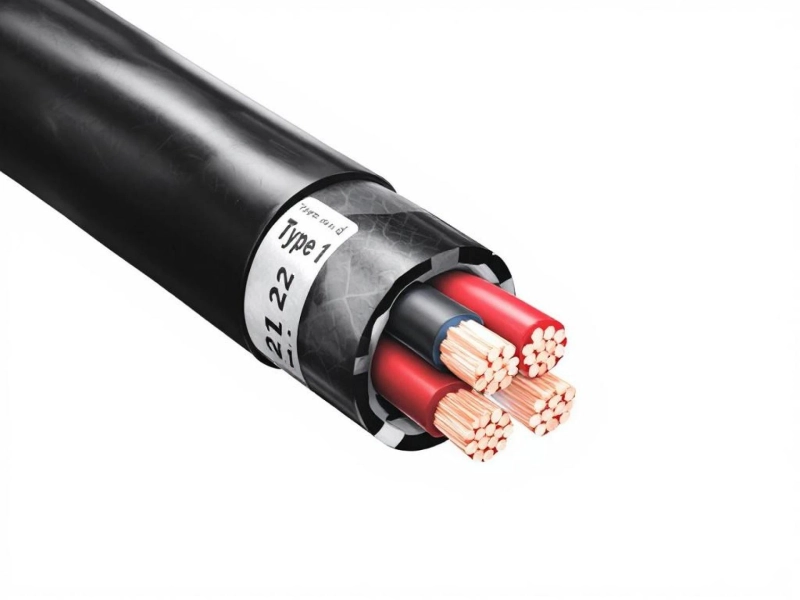
Type 241.1 cables are, without a doubt, a clear choice for usage by present-day electrical and industrial systems that demand high standards of durability, flexibility, and safety. The existence of these cables becomes paramount, especially in places where performance, reliability, and crossing compliance with strict regulations are non-negotiables. Knowing their features and advantages and proposing proper installation is a set of skills that engineers, contractors, and project managers use to operate their activities effectively and without any risk.
Here is an extensive description of everything related to Type 241.1 Cables.
1. What Are Type 241.1 Cables?
Type 241.1 cables are high-performance industrial, commercial, and heavy-duty electrical cables that combine power and control on one line. They are made to resist the tough conditions of the external environment in which electrical supply has to be ensured at all times.
1.1 Key Purpose
- The electrical power transmission and control systems are their very first and foremost application area.
- Their construction permits their usage in both application areas (inside and outside).
- They guarantee an uninterruptible electrical supply even when subjected to high stresses.
1.2 Typical Applications
- Automobile and heavy industry plants.
- Airport, railway, and metro transit electrification projects.
- Petroleum extraction and refining installations.
- Solar and wind energy farms.
- Centralized high-tech electrical and data networks.
1.3 Why They Are Popular
- They can last for years even when subjected to daily abuse.
- They withstand harsh mechanical and environmental conditions.
- They are approved by the regulatory bodies and can be trusted.
2. Technical Specifications of Type 241.1 Cables
Knowledge of the technical specifications plays a very important part in decision-making before usage or installation.
2.1 Conductor Material
- The choice is mostly between bitted copper and aluminium.
- Copper conductors have inherently better electrical and mechanical features.
- Aluminum conductors can save money in the case of large-scale projects.
2.2 Insulation Type
- The insulation is usually made from state-of-the-art materials:
- These materials not only provide an electrical barrier but also offer a high level of thermal resistance.
- Contributing to the outstanding characteristics of the cable are the following:
- Cross-linked polyethylene (XLPE)
- Polyvinyl chloride (PVC)
- Halogen-free compounds
2.3 Voltage Rating
- The design power level can span from medium-voltage to higher-end voltage levels.
- Depending on the usage scenario and project specifics, the voltage rating changes.
2.4 Temperature Resistance
- They are able to function even if exposed to high-temperature surroundings.
- They could resist heat and cold, as well as temperature changes.
2.5 Mechanical Strength
A resilient and compact outer coating of the cable that guards:
- Against the scratching.
- Against the hits.
- Against the crushing.
- They are perfect for passing through different terrains as well as the urban areas.
2.6 Fire and Safety Standards
- There are flame-retardant and fire-resistant properties available.
- The release of toxic fumes is minimized, causing less harm to people.
- By adhering to safety codes, these products add a plus point to any mission.
3. Structure and Design Features
The structure of Type 241.1 cables is the reason for their top-level performance and excellent qualities.
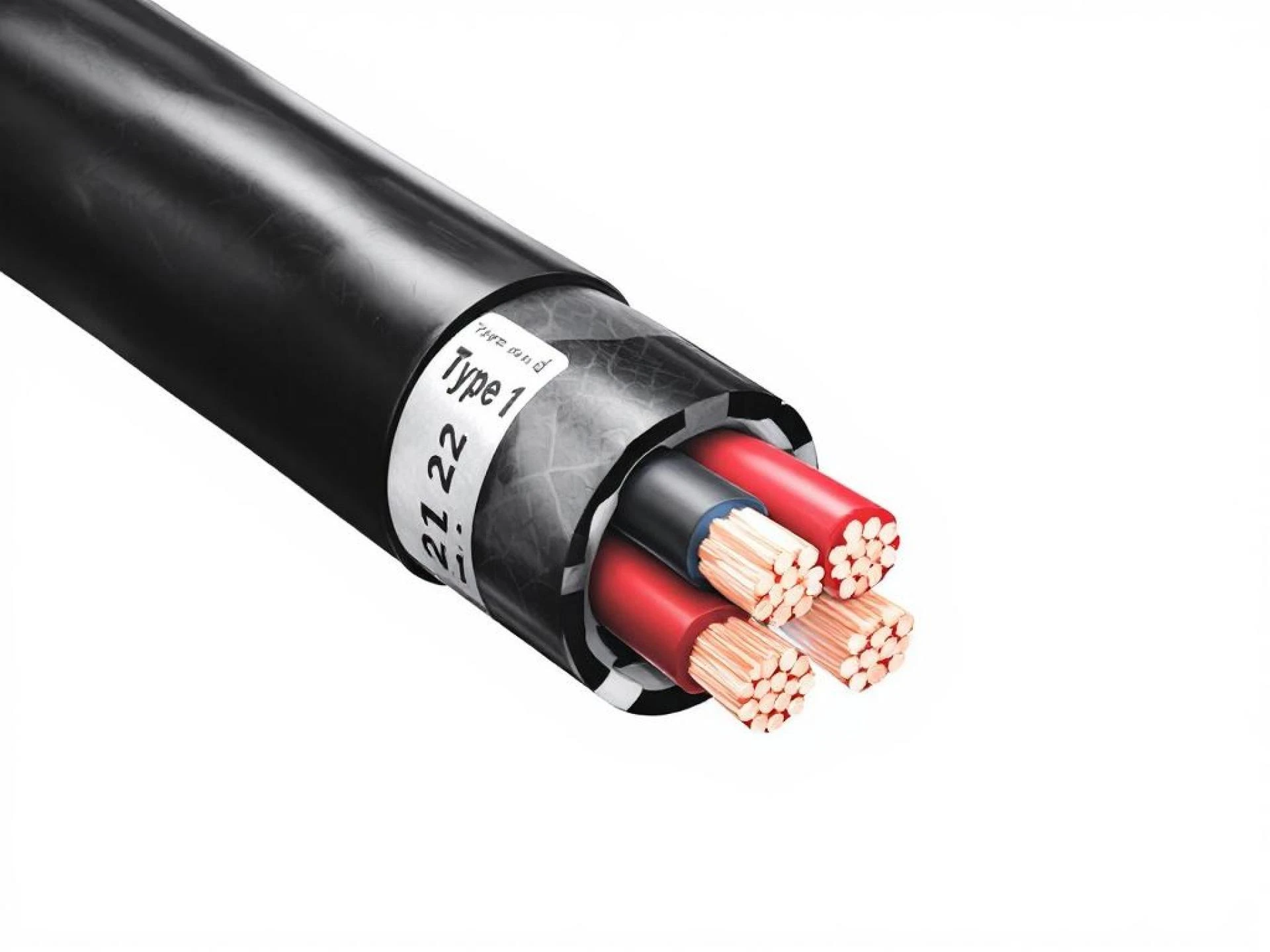
3.1 Multi-Layer Construction
- An innermost part made of one or more conductors that serve as a medium for electrical flow.
- Each of the conductors is wrapped with at least one layer of adequate insulation material.
- The outer layer or sheath provides mechanical protection and chemical resistance.
3.2 Shielding and Protection
- Electrically conductive shields are typically made of copper tape or copper wire or aluminium foil or aluminium wire.
- The shielding acts as a barrier against electromagnetic interference.
3.3 Flexibility
- Thanks to their construction, these cables can differentiate themselves from other heavier brands.
- They can be effectively used in installations that require movable as well as fixed elements.
4. Benefits of Type 241.1 Cables
The attributes of these cables are satisfactory for integrating such qualities into today's electrical systems.
4.1 High Reliability
- Their well-proven and consistent operation is attractive to the users.
- Thanks to fewer breakdowns, the maintenance overheads are minimized.
4.2 Safety and Compliance
- They satisfy the requirements of international and national standards.
- They significantly lower the chances of electrical incidents and resultant fire.
4.3 Long Service Life
- Good-quality insulation and a well-designed sheath result in extended use.
- They can operate under strenuous conditions typical for most industries.
4.4 Cost Efficiency
- Measured against lifetime cost, their initial cost will be insignificant.
- They help keep operation costs down and increase efficiency.
5. Factors to Consider Before Choosing Type 241.1 Cables
There are various factors to take into consideration before deciding on these cables.
5.1 Load Requirements
- Cables should be able to accommodate the electrical load that will be put on them.
5.2 Environmental Conditions
- Think about the exposure to temperature, humidity, and chemicals.
5.3 Budget and Project Scope
- Compare the initial cost with the advantages over a longer period
5.4 Compliance and Certifications
- Confirm whether the products meet the standards and regulations both nationally and globally.
6. Future Trends and Innovations
New technologies continue to revolutionize the cable industry.
6.1 Smart and Monitoring Systems
- Integration of monitoring systems to enable predictive maintenance and avoid breakdowns.
6.2 Sustainable Materials
- Use of recycled and biodegradable components for cable insulation and outer jackets.
6.3 Improved Fire and Safety Features
- Advanced features enabling greater resistance to fire and less emission of smoke.
6.4 Renewable Energy Applications
- The application of these cables in solar, wind installations, and other green infrastructures is increasing.
Conclusion
Type 241.1 cables are an indispensable part of today's electrical and industrial setup. Thanks to their excellent construction, robust insulation, and futuristic safety mechanisms, they are perfect for high-performance usage. Knowing their features, advantages, and the right way of installation helps companies and engineers to guarantee efficiency, safety, and savings in the long run.
These cables, whether they form part of an industrial plant, infrastructure, or a renewable energy project, bring along strength, dependability, and adherence to the ever-changing industry standards. As technologies evolve, Type 241.1 cables are bound to remain the mainstay for a sustainable and integral future.
Also Read: SWA Cable vs XLPE Cable: Key Differences, Benefits, and Use Cases