


As energy costs continue to rise and homeowners become increasingly conscious of sustainable living, finding ways to improve household efficiency has never been more important. One often-overlooked solution lies in upgrading your hot water system. By incorporating an Insulation Water Heater, you can reduce energy waste, maintain consistent water temperature, and even save on monthly bills. But how exactly does this simple upgrade contribute to home efficiency, and is it worth the investment?
How Insulation Enhances Your Water Heater’s Performance
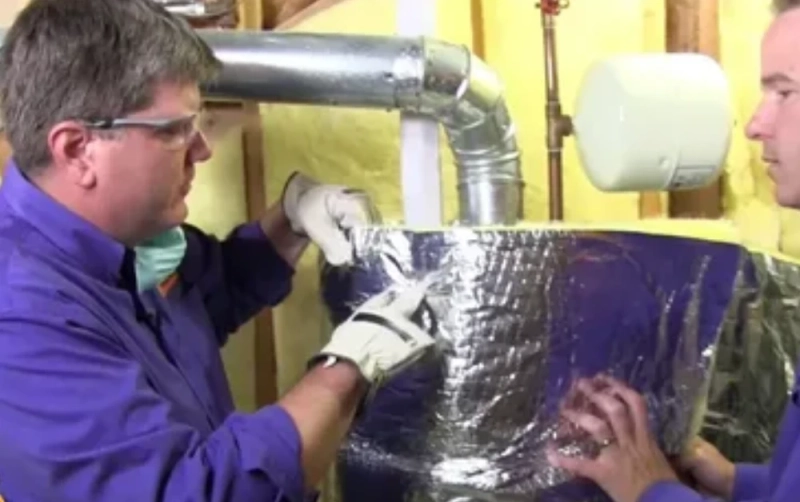
A standard water heater can lose significant amounts of heat through its tank and piping, especially if it isn’t insulated properly. Heat loss not only makes your heater work harder but also drives up your electricity or gas bills. An insulated water heater works by minimizing this heat escape, ensuring that water stays at the desired temperature longer without requiring constant reheating.
The result is a system that consumes less energy while providing the same level of comfort. For households with multiple family members or high hot water demand, this can translate into noticeable savings over time. Additionally, the insulation layer helps maintain efficiency even during power outages or periods of limited usage, making it a practical solution for energy-conscious homeowners.
Types of Insulated Water Heaters
There are a few variations of insulated water heaters available, each designed to maximize energy efficiency:
- Tank-Type Insulated Water Heaters: These conventional units have additional layers of insulation wrapped around the tank. The extra protection reduces standby heat loss and ensures hot water remains ready for use at all times.
- Tankless Water Heaters with Insulation Features: While tankless models heat water on demand, some incorporate insulated pipes or heat-retention features to prevent temperature loss between the heater and the tap.
- Hybrid Water Heaters: Combining tank storage with energy-efficient technology, hybrids use insulation alongside heat pumps or advanced temperature controls to optimize performance.
Choosing the right type depends on household size, hot water usage patterns, and energy goals.
Benefits Beyond Energy Savings
While lower energy bills are a clear advantage, an insulation water heater offers several additional benefits. First, it extends the lifespan of your heating system. By reducing the amount of work the heater has to perform, wear and tear on the unit decreases, meaning fewer repairs and a longer service life.
Second, better heat retention translates into a more consistent and reliable supply of hot water. Nobody enjoys a lukewarm shower, and an insulated system helps prevent sudden temperature drops, especially during high-demand periods.
Third, using energy more efficiently reduces your environmental footprint. For homeowners who are mindful of sustainability, this small change contributes to a greener household by conserving electricity or gas.
Installation and Maintenance Tips
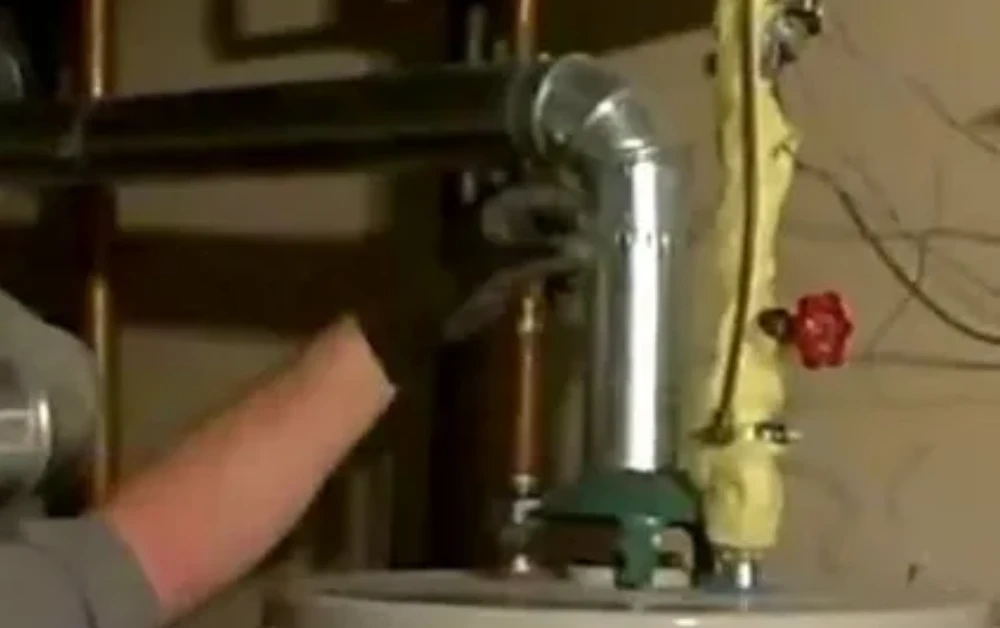
Upgrading to an insulated water heater doesn’t have to be complicated. Professional installation ensures the unit is correctly fitted and the insulation is intact. Improper installation can negate the energy-saving benefits, so it’s best to rely on experts for setup.
Maintenance is equally straightforward. Regularly checking for leaks, sediment buildup, and ensuring insulation layers remain intact will keep the system running efficiently for years. Many modern units are designed with easy-to-access panels and self-cleaning features, simplifying upkeep.
Cost Considerations and ROI
The initial investment in an insulated water heater may be higher than a basic model, but the long-term savings often justify the cost. Reduced energy consumption can lead to significant financial returns over time, particularly in households with high hot water usage. Additionally, some energy providers or local governments offer rebates for energy-efficient home upgrades, further improving the return on investment.
When evaluating options, consider both upfront cost and projected energy savings. An insulation water heater is a long-term investment that pays dividends in comfort, convenience, and lower utility bills.
Also Read :- Boost Productivity and Reliability with Insulation for Moulded Products
Conclusion
Upgrading your home’s hot water system with an insulation water heater is a practical, energy-efficient choice that can improve comfort while reducing costs. By retaining heat effectively, these systems ensure a consistent water supply, extend the life of your heater, and support environmentally conscious living. For reliable solutions and expert guidance on energy-efficient water heating, consider consulting IP Harwal Polymer, a trusted provider in the field. Taking this step can make a meaningful difference in both your household efficiency and overall energy footprint.