



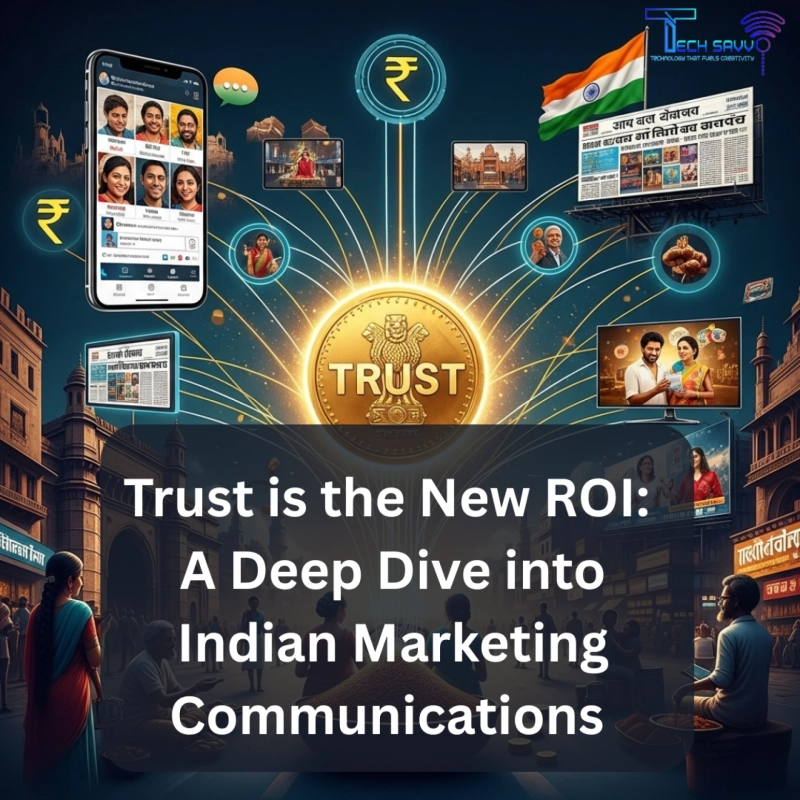
Trust is the New ROI: A Deep Dive into Indian Marketing Communications
The Indian market has undeniably transformed. It's no longer just about grabbing attention; consumers now demand authenticity, transparency, and a genuine connection. This shift has made trust the new imperative for marketing strategy and communications. Brands must go beyond superficial visibility and prioritize building strong belief and credibility with their audience. This is crucial for long-term customer success and for fostering loyal customers.
Indian consumers heavily rely on word-of-mouth and community opinions, underscoring their emphasis on trust and credibility. A brand that consistently meets commitments, communicates with integrity, and genuinely cares about its existing customers will not only be acknowledged but, more importantly, trusted. This focus on customer relations is paramount and directly impacts the customer base and reduces churn.
Fast-Moving Consumer Goods (FMCG): From Shelf Space to Share of Trust
The Indian FMCG sector is defined by intense competition and numerous choices. While traditional advertising prioritized reach and frequency, today's consumers are interested in what's in the package and its health implications. Marketers in this space find that customer loyalty is built on transparency.
The Trust Mandate in Action:
- Transparency in Sourcing and Ingredients: Consumers are increasingly skeptical of artificial ingredients and unsustainable practices. Brands that provide clear sourcing information and showcase natural ingredients cultivate trust.
- Quality Assurance and Certifications: In a market often troubled by counterfeit items, official certifications and visible quality checks are vital to attracting new customers.
Example:
Aashirvaad Atta (ITC Foods): Aashirvaad has successfully built trust by emphasizing its "farm to fork" story. Their marketing campaigns often highlight the direct sourcing of wheat from Indian farmers, quality checks at every stage, and the traditional stone-grinding process, reassuring consumers about the purity and freshness of their atta (flour). This focus on the product or service's journey, rather than just the result, fosters belief in its quality and contributes to strong, loyal customers. This approach also helps improve your brand perception and customer value.
Financial Services: Rebuilding Faith in a Sensitive Sector
The financial services field, inherently reliant on promises and future security, faces the highest stakes in terms of trust. Historical examples of mis-selling or a lack of transparency have weakened consumer confidence. Effective customer relationship management (CRM) is crucial for rebuilding and maintaining trust and is key to a robust marketing strategy.
The Trust Mandate in Action:
- Clear and Simple Communication: Providing clear, jargon-free explanations of complex financial products is vital for your customers. This involves tailoring messaging for clarity.
- Ethical Advice and Transparency in Fees: Consumers must feel that their financial health is valued more than sales and marketing objectives. Revealing all fees upfront enhances credibility.
- Robust Data Privacy and Security: Given the rise in cyber threats, it is essential to show a steadfast dedication to safeguarding customer data.
Example:
HDFC Bank: HDFC Bank has consistently focused on building trust through transparent communication and reliable service. Their marketing campaigns often emphasize security, ease of access to services, and expert advice, rather than just pushing products. During periods of economic uncertainty, their proactive communication and clear explanations of policy changes have helped maintain customer confidence. They also invest heavily in secure digital platforms, reassuring customers about the safety of their financial transactions. This strengthens the customer relationship and helps improve your customer perception, leading to better customer retention and increased ROI.
Healthcare: The Doctor-Patient Relationship Extends to Brands
Trust plays a critical role in healthcare, impacting life and death. Patients and their families count on healthcare providers and pharmaceutical companies to provide accurate information, effective treatments, and compassionate care. Marketing strategy in this sector must prioritize empathy and accuracy.
Implementing the Trust Mandate:
- Evidence-Based Communication: All claims should be substantiated by scientific research and confirmed data.
- Patient Education and Empowerment: Offering clear and accessible information regarding health conditions and treatment alternatives encourages informed decision-making and builds trust. This is a form of valuable content marketing.
- Ethical Promotion of Products and Services: It is vital to refrain from making exaggerated claims or using fear tactics.
Example:
Apollo Hospitals: Apollo Hospitals has invested significantly in building a reputation for clinical excellence and patient-centric care. Their marketing often showcases their advanced medical technologies, renowned specialists, and successful patient stories, but always with an emphasis on ethical practices and patient well-being. They also engage in public health awareness campaigns, positioning themselves as a reliable source of health information, thereby building community trust. This commitment to customers fosters strong customer loyalty.
Technology: Bridging the Digital Divide with Authenticity
Consumers may feel intimidated or skeptical as technology advances rapidly. Building trust in this area requires explaining complex developments and providing tangible benefits. Digital marketing plays a crucial role in demystifying technology and fostering trust. For SaaS companies, this is particularly vital.
The Trust Mandate in Action:
- Reliability and Performance: Products and services must consistently perform as advertised.
- Data Privacy and Security: With the growing accumulation of personal data, brands must exhibit strong data protection mechanisms and transparent data usage policies.
- User Support and Accessibility: Effective customer service, often handled through a contact center, and simple interfaces boost user confidence. This enhances the overall customer experience.
Example:
Jio (Reliance Jio Info comm Limited): While Jio's initial entry was disruptive due to aggressive pricing, its sustained success has been built on the trust they've cultivated regarding connectivity and accessibility. Their consistent network performance, widespread reach, and clear communication about data plans and services have garnered immense trust, especially in rural areas where reliable internet access was once a distant dream. Their focus on digital inclusion has positioned them as a brand committed to empowering India through technology, thereby attracting new customers and fostering customer retention. This showcases strong customer acquisition strategies and improves your market standing.
Automotive: Beyond Features, Towards a Reliable Partnership
Investing in a vehicle is a substantial financial decision for consumers in India, and the choice often depends on considerations that surpass technical specifications. Reliability, after-sales service, and the brand's reputation are pivotal. Salespeople and the entire customer journey are critical touch points.
The Trust Mandate in Action:
- Durability and Safety Assurance: Stressing thorough testing and safety features enhances confidence.
- Transparent After-Sales Service: Clear service pricing, accessible spare parts, and prompt customer support are critical.
- Ethical Dealership Practices: Just pricing, honest sales and marketing tactics, and timely delivery schedules foster trust.
Example:
Maruti Suzuki India: Maruti Suzuki has been a market leader in India for decades, largely due to the immense trust it has built with consumers. Their reputation for reliable, fuel-efficient cars, coupled with a vast and accessible service network across the country, has cemented their position. Their "Service Har Baar, Viswas Har Baar" (Service Every Time, Trust Every Time) campaigns highlight their commitment to consistent, trustworthy after-sales support, directly addressing a key pain point for Indian car owners. This focus on customer satisfaction drives brand loyalty.
Conclusion: The Future is Built on Belief
The evolution from being merely "seen" to being "believed" is not a transient trend; it signifies a vital realignment of marketing and communications strategy in India. In an environment filled with information and choices, trust becomes the ultimate differentiation and the new imperative for success. Brands that focus on authenticity, transparency, ethical practices, and reliably delivering on their promises will not only capture market share but also build a base of loyal customers that supports their brand, making them truly essential in the long term. This directly impacts profitability and customer lifetime value. It helps reduce churn and fosters customer success.
For marketers and communicators in India, the challenge and opportunity reside in embedding trust at the core of every interaction, promoting not just transactions, but lasting relationships with customers grounded in belief. By understanding customer behavior and utilizing personification through tools like marketing automation and email marketing, brands can significantly improve customer trust and customer engagement. CRM systems, as highlighted by companies like Salesforce and Gartner, provide actionable insights for effective customer relationship management, leading to a more customer-centric approach and ultimately, profitable growth and strong customer retention. This gives a competitive advantage, whether it's a B2B or business-to-consumer model, and can even facilitate cross-sell opportunities to existing customers. Customer feedback is also crucial here to improve your offerings and increase customer value. When facing a competitor, being able to personalize communication based on segmentation and having loyalty programs can make a significant difference. On boarding new customers effectively and making sure your sales team is well-equipped to reach out and connect, especially for small businesses, are also key components of this trust-building journey. Analyzing data from all these touch points will further strengthen the trust imperative. This ultimately contributes to the bottom line by leveraging every metric and creating a stronger customer life cycle. Building trust is the importance of customer focus, enabling referrals and improving all marketing efforts.