



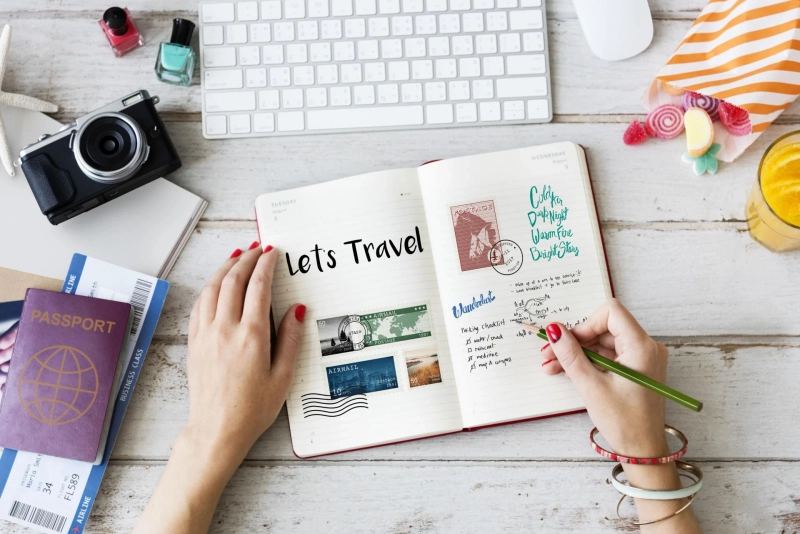
Travel is more than moving from one destination to another. It is an experience that broadens perspective, encourages personal growth, and creates lasting memories. Whether it involves a weekend escape, a cultural immersion, or a long-awaited adventure, travel has the power to refresh both the mind and spirit. In a fast-paced world, stepping outside familiar surroundings allows people to reconnect with curiosity and rediscover joy in new experiences.
Readers who explore the Travel Blog on LifeStyle Byte are often seeking inspiration, practical advice, and thoughtful insights that make travel feel achievable and rewarding. From planning and preparation to mindful exploration, travel becomes richer when approached with intention rather than urgency.
The Meaning of Modern Travel
Travel today looks very different from the past. While sightseeing remains important, modern travellers increasingly value meaningful experiences over packed itineraries. There is a growing desire to understand local culture, support communities, and travel in ways that feel authentic.
Modern travel focuses on:
- Quality experiences rather than quantity
- Cultural awareness and respect
- Personal comfort and flexibility
- Balance between exploration and rest
This shift allows travel to feel more personal and less exhausting.
Planning Trips with Confidence
Good travel experiences often begin long before departure. Thoughtful planning reduces stress and allows travellers to focus on enjoyment rather than logistics.
Effective planning includes:
- Choosing destinations that align with interests and energy levels
- Setting realistic schedules
- Researching local customs and expectations
- Preparing essentials in advance
Planning does not mean rigidity. Instead, it provides a foundation that allows flexibility once the journey begins.
Choosing Destinations That Suit Your Lifestyle
Not every destination suits every traveller, and that is perfectly okay. Understanding personal preferences helps ensure satisfying experiences.
Some travellers prefer:
- Quiet nature retreats
- Bustling urban environments
- Cultural and historical exploration
- Relaxed beach settings
Matching destinations to lifestyle and travel goals leads to deeper enjoyment and fewer disappointments.
Travel as a Form of Personal Growth
One of the most valuable aspects of travel is how it challenges comfort zones. Navigating new environments builds confidence, patience, and adaptability.
Personal growth through travel often includes:
- Improved communication skills
- Greater cultural understanding
- Enhanced problem-solving abilities
- Broader worldviews
Even small trips can provide powerful learning experiences when approached with openness.
Finding Balance While Travelling
Many travellers feel pressure to see and do everything. However, over-scheduling often leads to fatigue rather than fulfilment.
Balanced travel encourages:
- Slower exploration
- Time for rest and reflection
- Fewer destinations with deeper engagement
- Enjoyment of unplanned moments
Allowing space in an itinerary creates opportunities for spontaneity and meaningful connections.
Travel and Well-Being
Travel has a direct impact on mental and emotional well-being. A change of environment often helps reduce stress, improve mood, and renew motivation.
Benefits of travel for well-being include:
- Mental refreshment
- Emotional resilience
- Increased creativity
- Improved perspective on daily life
Mindful travel emphasises presence, gratitude, and self-awareness rather than constant activity.
Sustainable and Responsible Travel Choices
As awareness grows, many travellers are becoming more mindful of their impact. Responsible travel focuses on respect—for destinations, communities, and the environment.
Sustainable travel practices include:
- Supporting local businesses
- Being mindful of resource use
- Respecting cultural traditions
- Reducing unnecessary waste
Small, thoughtful actions collectively create positive outcomes.
Travel Stories That Inspire Connection
Travel stories often resonate because they reflect shared emotions—wonder, challenge, excitement, and discovery. Whether reading about distant destinations or familiar places, stories inspire curiosity and connection.
Well-told travel experiences:
- Encourage empathy
- Spark imagination
- Share lessons learned
- Motivate future journeys
Storytelling plays an essential role in shaping how people view the world.
Adapting Travel to Life Stages
Travel needs evolve with life circumstances. What feels exciting at one stage may feel overwhelming at another.
Travel can adapt to:
- Families with children
- Solo travellers
- Couples
- Mature travellers seeking comfort and depth
Understanding this allows individuals to continue travelling in ways that suit their current lifestyle.
Conclusion
Travel remains one of the most enriching ways to experience the world. When approached thoughtfully, it offers more than entertainment—it provides insight, growth, and renewed appreciation for everyday life. By planning with intention, choosing meaningful experiences, and travelling mindfully, individuals can create journeys that feel both fulfilling and sustainable.
Whether near or far, every journey has the potential to leave a lasting impact.
Frequently Asked Questions
What makes travel meaningful rather than stressful?
Meaningful travel focuses on realistic planning, personal interests, and allowing time to rest and reflect.
Do short trips offer the same benefits as long journeys?
Yes. Even brief trips can provide mental refreshment and new perspectives when approached intentionally.
How can travellers avoid burnout while exploring?
Limiting daily activities, embracing flexibility, and prioritising rest help maintain energy and enjoyment.
Is planning necessary for enjoyable travel?
Planning provides structure and confidence, but flexibility allows for spontaneity and discovery.
How can travel support personal growth?
Exposure to new cultures, environments, and challenges builds confidence, empathy, and adaptability.