



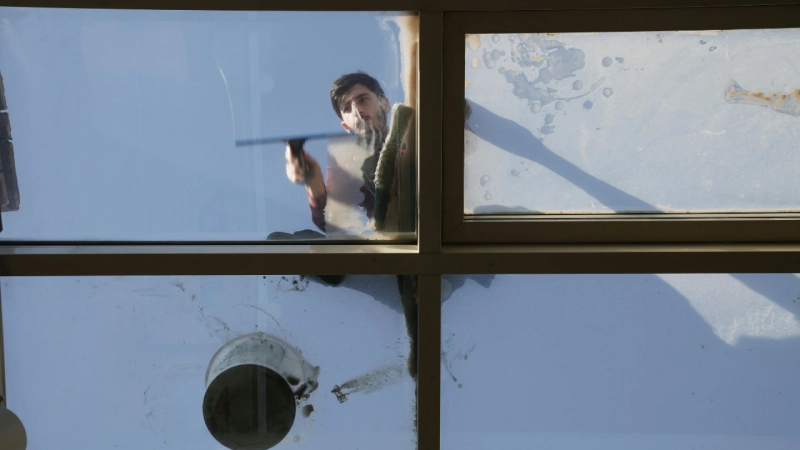
Natural light has long been a defining element in architectural design. From ancient courtyards to contemporary glass atriums, daylight shapes how people experience interior spaces. In recent years, the translucent roof has gained renewed attention as a practical and visually appealing way to introduce soft, diffused light into homes and commercial buildings.
Unlike fully transparent glazing, translucent roofing materials filter sunlight rather than allowing direct visibility through them. The result is a balanced interior environment: bright yet comfortable, open yet sheltered. When thoughtfully integrated, this roofing approach can enhance spatial quality, reduce reliance on artificial lighting, and contribute to energy-conscious design.
This article explores design ideas, material options, and practical considerations for incorporating light-filtering roof systems into bright, airy spaces.
Understanding the Role of a Translucent Roof in Architecture
A translucent roof is designed to transmit light while diffusing glare and minimizing direct solar heat gain. Instead of creating sharp shadows or hotspots, it produces an even glow that enhances spatial clarity and visual comfort.
Architecturally, it serves several purposes:
- Daylighting: Reduces the need for artificial lighting during daytime hours
- Spatial expansion: Makes interiors feel larger and more open
- Visual softness: Creates a gentle interplay of light and shadow
- Weather protection: Shields from rain and harsh sun while maintaining brightness
In tropical and subtropical climates especially, diffused daylight can be preferable to fully transparent glazing, which may intensify heat and glare.
Material Options for Light-Filtering Roof Systems
Selecting the right material is fundamental to performance, longevity, and aesthetics. Modern manufacturing has expanded the range of available solutions.
Polycarbonate Panels
Polycarbonate is widely used for residential patios, pergolas, and commercial walkways. It is lightweight, impact-resistant, and available in various degrees of light transmission.
Advantages include:
- High durability
- UV-resistant coatings
- Ease of installation
- Suitable for curved or flat structures
Multiwall polycarbonate sheets also provide improved thermal insulation compared to single-layer panels.
Fiberglass Reinforced Panels (FRP)
Fiberglass panels have long been used in industrial and agricultural buildings. Today, refined finishes make them suitable for residential applications as well.
Key characteristics:
- Strong and corrosion-resistant
- Moderate light diffusion
- Cost-effective for large areas
However, quality variations exist, so attention to manufacturer specifications is essential.
Acrylic Sheets
Acrylic offers high clarity and weather resistance. Frosted or textured finishes allow it to function effectively as a light-diffusing surface.
It is often chosen for:
- Contemporary designs
- Skylight systems
- Custom architectural features
While visually appealing, acrylic can be more brittle than polycarbonate under impact.
Opaque-Translucent Hybrid Panels
Some roofing systems balance opacity and translucency for controlled illumination. Materials such as structured PVC or composite panels can offer diffused light while reducing direct solar penetration. For a closer look at modern light-filtering solutions, including options suitable for tropical climates, see this example of a translucent roof system designed for durability and balanced daylight transmission.
Design Ideas for Bright, Airy Spaces
The success of a light-permeable roofing system depends not only on material selection but also on thoughtful design integration.
1. Covered Outdoor Living Areas
Patios, verandas, and rooftop terraces benefit significantly from diffused overhead light. Instead of creating a dark canopy, a translucent covering maintains brightness while protecting from rain and harsh sun.
Design considerations:
- Use structural beams that complement the softness of the roofing material
- Incorporate ceiling fans or ventilation gaps to manage heat
- Pair with light-colored flooring to enhance reflected daylight
The result is a semi-outdoor space that feels connected to the sky without full exposure.
2. Courtyard Enclosures
Urban homes often incorporate small courtyards for ventilation and greenery. Covering these spaces with a light-diffusing roof enables year-round usability while preserving natural illumination.
Benefits include:
- Protection during rainy seasons
- Enhanced privacy
- Improved acoustic comfort
When combined with indoor plants, the filtered light supports plant growth without excessive heat stress.
3. Kitchen and Dining Extensions
Daylight has measurable psychological and physiological benefits, especially in areas associated with daily routines. Installing a translucent overhead structure in a kitchen extension can reduce artificial lighting needs and create a pleasant cooking environment.
To maintain comfort:
- Ensure adequate ventilation
- Consider thermal insulation layers
- Avoid overexposure on west-facing slopes
Careful orientation can make a significant difference in indoor temperature regulation.
4. Commercial Walkways and Entryways
In educational campuses, retail complexes, and office environments, covered walkways are essential. A light-permeable roof system ensures protection while maintaining a welcoming atmosphere.
Design strategies include:
- Repetition of structural frames for rhythm and coherence
- Integration of gutters and drainage systems
- Selection of materials with high impact resistance
The objective is durability without sacrificing visual lightness.
5. Skylights and Atriums
Rather than using fully transparent glazing, architects sometimes opt for diffused panels in skylights and atriums. This approach minimizes glare and distributes light more evenly throughout large interior volumes.
Advantages:
- Reduced shadow contrast
- Improved visual comfort for occupants
- Lower risk of UV damage to interior finishes
In educational and healthcare settings, such balanced lighting can enhance comfort and productivity.
Climate and Performance Considerations
When designing with light-filtering roofing materials, environmental context plays a crucial role.
Solar Heat Gain
While these systems reduce glare, they still allow solar radiation to pass through. In hot climates, choose materials with:
- UV protective coatings
- Reflective surface treatments
- Multi-layer construction for insulation
Ventilation gaps or operable panels can further improve thermal performance.
Structural Support
Lightweight panels require proper framing to prevent sagging or wind uplift. Engineering calculations should consider:
- Local wind loads
- Rainfall intensity
- Panel expansion and contraction
Improper installation can compromise longevity.
Maintenance
Over time, dirt accumulation reduces light transmission. Regular cleaning maintains clarity and aesthetic quality.
Maintenance guidelines:
- Use non-abrasive cleaning solutions
- Avoid harsh chemicals
- Inspect seals and fasteners annually
Durability often depends as much on maintenance practices as on initial material quality.
Aesthetic Integration and Architectural Harmony
A translucent roof should complement the building’s overall language. Consider the following:
- Color coordination: Frosted white or soft grey panels often blend seamlessly with modern façades.
- Framing materials: Steel, aluminum, or engineered wood each create distinct visual effects.
- Light layering: Combine overhead diffusion with side windows to balance illumination.
Thoughtful integration prevents the structure from appearing as an afterthought. Instead, it becomes a coherent extension of the architectural concept.
Environmental and Energy Perspectives
Daylighting strategies are closely linked to sustainable design principles. By increasing the use of natural light, buildings can reduce daytime energy consumption for artificial lighting.
However, sustainability requires balance. Excessive solar gain may increase cooling loads. Therefore, a comprehensive design approach considers:
- Orientation
- Insulation values
- Shading devices
- Ventilation strategies
When properly designed, light-diffusing roof systems can contribute meaningfully to energy-efficient architecture without sacrificing comfort.
Conclusion
Incorporating a translucent roof into residential or commercial architecture offers a refined way to bring daylight into covered spaces. By diffusing sunlight rather than transmitting it directly, these systems create bright yet comfortable environments that feel open and inviting.
Material choice, structural detailing, climate responsiveness, and aesthetic integration all influence performance and longevity. Whether used in patios, courtyards, skylights, or commercial walkways, light-filtering roof solutions can enhance spatial quality while supporting practical needs.
Thoughtful design transforms a simple overhead covering into a dynamic element that shapes how light interacts with architecture.
FAQs
What is the difference between transparent and translucent roofing?
Transparent roofing allows clear visibility through the material, similar to glass. Translucent materials, by contrast, diffuse light and limit direct visibility, reducing glare and creating softer illumination.
Is a translucent roof suitable for hot climates?
Yes, provided the material includes UV protection and appropriate insulation. Proper ventilation and orientation are also important to prevent excessive heat buildup.
How long do light-diffusing roof panels typically last?
Lifespan depends on material quality and environmental exposure. High-grade polycarbonate or fiberglass panels can last 10–20 years or more with proper maintenance.
Can these roofing systems withstand heavy rain?
When properly installed with adequate slope and drainage, they perform well in heavy rainfall. Structural framing must be designed to support local weather conditions.
Do translucent panels require special maintenance?
Maintenance is generally straightforward. Periodic cleaning and inspection of fasteners and seals help preserve light transmission and structural integrity.