



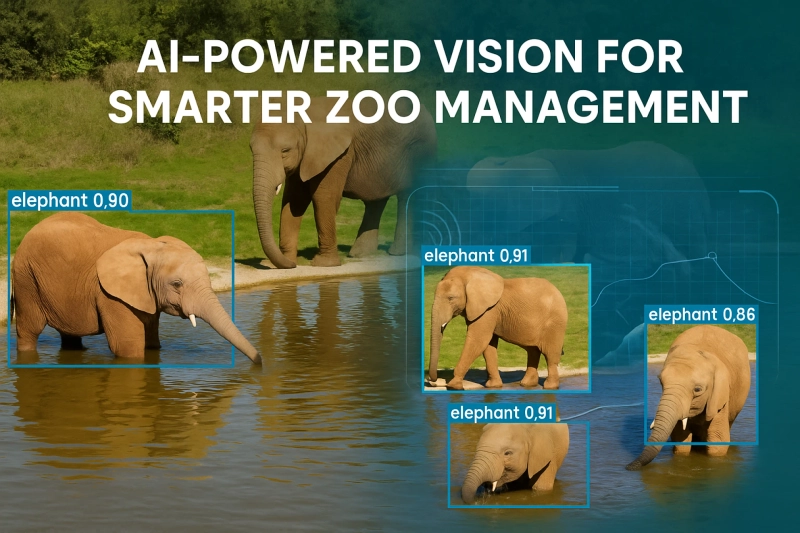
In today’s technology-driven age, modern zoos are more than just public attractions. They are centers of research, conservation, education, and animal welfare. With increasing public concern for the ethical treatment of animals and the demand for transparency in animal care, zoos are now turning to emerging technologies like Computer Vision to improve how animals are observed, understood, and cared for.
One of the most promising tools transforming this landscape is AI Video analytics software. This advanced technology allows zoos to non-invasively monitor animals through live video feeds, analyze behavioral patterns in real time, and make data-driven decisions that significantly improve the quality of animal care and well-being.
What is Computer Vision?
Computer Vision is a subfield of Artificial Intelligence (AI) that enables machines to process, interpret, and make decisions based on visual data such as images and video. Leveraging deep learning and machine learning models, it allows computers to replicate human-like sight and intelligence to track movements, identify patterns, and detect anomalies automatically.
In zoo settings, this means continuous, accurate, and non-intrusive monitoring of animals without the limitations and inconsistencies of manual observation.
Why Zoo Management Needs Computer Vision
Zoo animals live in environments that are significantly different from their natural habitats. Despite the best intentions, keeping them healthy and stress-free is a complex task that requires constant vigilance. Traditional methods such as manual tracking and observational logs are labor-intensive and often subjective.
Computer vision provides:
- 24/7 real-time surveillance
- Automated behavior tracking
- Early detection of abnormalities
- Personalized animal insights
- Data consistency and accuracy
Ultimately, this enables zoo staff to take proactive measures to ensure animal well-being rather than reactive ones.
Key Applications of Computer Vision in Zoo Management
1. Behavioral Monitoring and Pattern Analysis
Understanding animal behavior is fundamental to assessing their mental and physical health. Computer vision enables the identification of:
- Pacing and repetitive actions (indicating stress or boredom)
- Sudden inactivity or sluggishness (potential illness)
- Aggressive or unusual social behavior
Over time, the software creates a behavioral baseline for each animal. Any deviations from this norm can automatically trigger alerts for veterinary or caretaker attention.
2. Health Monitoring and Early Diagnosis
AI Video analytics software can be trained to detect subtle signs of health issues, such as:
- Limping or impaired movement
- Changes in eating or sleeping habits
- Frequent scratching or self-isolation
These early signs, if caught promptly, can lead to faster medical intervention and reduce the risk of serious complications. Some systems even integrate thermal imaging to identify infections or inflammations.
3. Feeding Behavior and Nutrition Tracking
Ensuring proper diet is critical in captive environments. Computer vision helps zookeepers:
- Monitor food intake per animal
- Identify food aggression or sharing
- Track preference trends or rejections
This helps in adjusting diets and preventing malnutrition, especially among pregnant, elderly, or medically sensitive animals.
4. Enrichment and Habitat Utilization
Enrichment activities and engaging environments help prevent boredom and improve mental well-being. With computer vision, zoos can measure:
- How frequently animals interact with toys or puzzles
- How they use space within the enclosure
- If certain enrichment efforts lead to improved behavior
Such insights allow zookeepers to fine-tune enrichment strategies and optimize enclosures to better mimic natural behaviors.
Computer Vision for Individualized Care
Modern computer vision systems are capable of identifying animals based on unique traits such as facial structure, fur patterns, or movement dynamics. This facilitates:
- Personalized tracking of behavior and health
- Individual medical records and intervention histories
- Improved breeding program monitoring (e.g., mother-infant bonding)
- Efficient animal transfer and integration management
By focusing on individuals rather than just groups, zoos can enhance the quality and precision of animal care.
Real-World Implementations
Progressive zoos and conservation institutions are already leveraging computer vision. For example:
- The San Diego Zoo uses AI models to monitor elephant behavior and mobility.
- Smithsonian’s National Zoo employs AI to study social interactions in primates.
- The Zoological Society of London (ZSL) utilizes visual tracking to analyze penguin movement patterns.
These implementations highlight how computer vision is not just a concept—but a proven, practical solution.
How is Nextbrain’s Computer Vision Technology a Wise Option?
At Nextbrain, we understand the evolving demands of wildlife facilities and zoos striving to offer world-class animal care. That’s why our AI Video analytics software, built on sophisticated computer vision algorithms, is designed to transform how zoos monitor and protect their animals.
Here’s why Nextbrain’s solution stands out:
- Non-Invasive Monitoring: Seamless surveillance without disrupting animal behavior.
- Real-Time Alerts: Instant identification of behavioral anomalies or potential health concerns.
- Custom Dashboards: Species-specific behavior reports, data visualizations, and wellness metrics.
- Scalability: From single enclosures to multi-acre wildlife parks, our system is built to grow.
- Seamless Integration: Works with existing camera systems and IT infrastructure.
- Expert Deployment Support: Our AI specialists work closely with clients for end-to-end implementation.
With Nextbrain, zoos can adopt a smarter, ethical, and data-driven model for managing animal welfare and habitat optimization.
Challenges in Adoption
Despite its advantages, deploying AI and computer vision in zoos does present challenges:
- High Initial Investment: Cameras, servers, and analytics tools may require upfront capital.
- Training Needs: Zoo staff may need support to interpret and act on system insights.
- Ethical Considerations: Continuous surveillance requires transparency and trust.
However, these challenges are rapidly being addressed through industry collaborations, scalable pricing, and educational initiatives. As awareness grows, these technologies will become more accessible and indispensable.
Conclusion
Computer Vision is redefining the standards of animal care in modern zoos. By enabling real-time behavior analysis and health monitoring, it gives zookeepers the power to detect issues early, understand animal needs better, and enhance welfare outcomes.
With the integration of AI Video analytics software, zoos can shift from reactive care to proactive well-being management, ultimately building a more humane and intelligent future for captive animals.
Get in touch with our professionals to explore how AI-powered solutions can revolutionize your zoo or wildlife facility. Let’s work together to build a smarter, more compassionate future for animal care.