



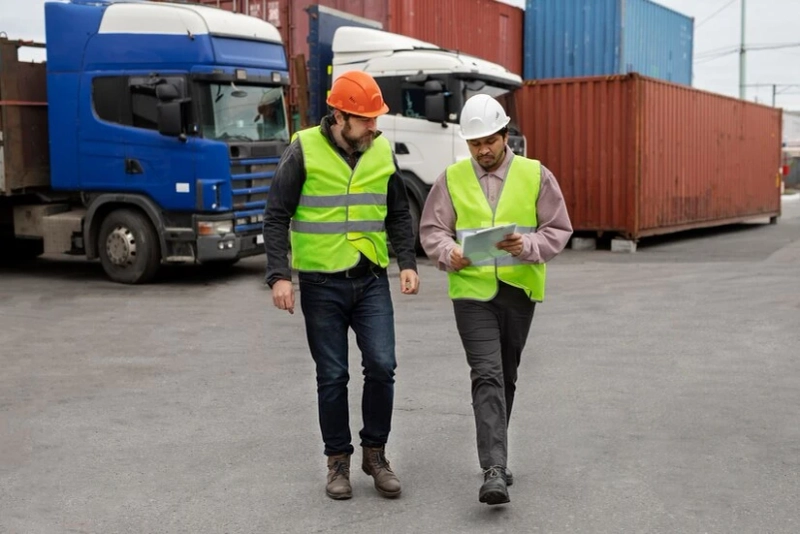
In today’s high-demand, quick-turnaround logistics environment, efficiency isn’t just a goal—it’s a necessity. One sector consistently rising to the challenge is road freight logistics. As the foundation of many supply chains, road transport offers businesses unmatched flexibility, cost-effectiveness, and reach, making it an indispensable link between warehouses, retailers, and end customers.
Whether you're shipping across towns or borders, modern road freight services combine technology, reliability, and scalability to meet the evolving demands of global commerce. In this blog, we’ll explore how road freight transport has adapted to the modern era, what sets it apart, and how it continues to power everything from e-commerce to industrial trade.
The Role of Road Freight Logistics in the Supply Chain
Road freight logistics refers to the end-to-end planning, coordination, and execution of cargo transport by road. It involves vehicle management, route optimization, shipment tracking, loading/unloading, and compliance with regulatory frameworks.
Its importance lies in its reach—trucks can deliver directly to factories, warehouses, stores, and homes. From the last-mile delivery of parcels to the movement of bulk goods between regions, road freight supports the backbone of domestic and cross-border logistics operations.
Why Road Freight Remains Vital
Despite the rise of air and sea freight, road freight transport continues to dominate due to several key advantages:
- Flexibility: Road shipping accommodates everything from single packages to full truckloads.
- Door-to-door service: Unlike air or sea, road freight eliminates the need for additional transport between terminals and delivery points.
- Faster lead times for short distances: For regional deliveries, road freight is often faster than other modes.
- Cost-effective for inland transportation: Particularly where infrastructure is well-developed.
Types of Road Freight Services
Modern logistics providers offer a variety of road freight services to meet different needs:
- Full Truckload (FTL): Ideal for large shipments going to one destination.
- Less Than Truckload (LTL): Cost-effective option for smaller shipments, sharing space with other cargo.
- Temperature-controlled transport: Crucial for perishable goods and pharmaceuticals.
- Hazardous materials transport: Requires special handling, permits, and safety compliance.
- Express or same-day delivery: Used for time-sensitive cargo and B2B deliveries.
Each of these services plays a unique role in shaping how goods move within and across countries.
The Technology Behind Road Freight Logistics
The evolution of road freight logistics is tightly connected to the adoption of technology. From route planning to fleet management, digital tools have significantly improved the speed, accuracy, and cost-efficiency of transport.
Key technologies include:
- Telematics & GPS: For real-time tracking of vehicles and freight.
- Route optimization software: To reduce fuel usage and delivery times.
- Electronic logging devices (ELDs): Ensuring driver compliance with regulations.
- Digital freight platforms: Matching shippers with available trucks.
- Mobile apps for driver communication: Improving coordination and reducing paperwork.
These systems work together to make road freight shipping more transparent, trackable, and efficient than ever before.
Road Freight Tracking: Visibility Is Everything
In the digital age, customers and businesses expect complete visibility over their shipments. That’s where road freight tracking steps in. This feature allows real-time updates on location, expected arrival time, and potential delays.
Benefits of freight tracking include:
- Improved customer satisfaction
- Better inventory and warehouse planning
- Proactive response to delays or route changes
- Enhanced security and loss prevention
Logistics providers offering robust road freight tracking systems often stand out in a competitive market, especially in e-commerce and retail industries.
Cost Drivers in Road Freight Shipping
To get the most value from road freight shipping, it’s important to understand what affects pricing. Key cost factors include:
- Distance and location: Remote or hard-to-reach destinations cost more.
- Fuel prices: A major variable that can significantly influence costs.
- Cargo size and weight: Heavier or bulkier goods may require specialized equipment or permits.
- Type of goods: Hazardous, perishable, or fragile items need additional care.
- Delivery urgency: Express or same-day deliveries cost more than standard options.
Working with a logistics partner that provides transparent pricing and optimization tools can help reduce overhead without compromising service quality.
Road Freight and Cross-Border Logistics
Road freight transport isn't limited to domestic logistics. In many parts of the world—especially Europe, Asia, and Africa—it plays a significant role in cross-border trade.
However, international road freight logistics comes with additional challenges:
- Customs clearance processes
- Documentation compliance
- Tariffs and trade agreements
- Route restrictions and transit permits
Experienced road freight services providers ensure smooth customs handling, provide local market knowledge, and minimize delays caused by red tape.
Green Logistics: The Road to Sustainable Shipping
With growing concerns over emissions and environmental impact, the freight industry is moving towards greener practices. Road freight is no exception.
Key sustainability trends include:
- Fleet electrification: Adoption of electric trucks for short-haul deliveries.
- Alternative fuels: Biofuels and hydrogen are being explored for long-haul trucks.
- Load optimization: Minimizing empty miles through efficient route planning.
- Driver training: Teaching eco-friendly driving habits to reduce fuel use.
These efforts not only help the planet but also reduce long-term costs for companies invested in sustainable logistics solutions.
Road Freight in the E-Commerce Era
The explosion of online shopping has changed how road freight shipping operates. Today’s logistics must be faster, more flexible, and customer-centric.
Impacts on road freight logistics:
- Higher volume of smaller shipments due to individual consumer orders
- Increased need for real-time tracking and delivery updates
- Flexible delivery options, including after-hours or weekend shipping
- Returns logistics, where goods need to be picked up and sent back quickly
Retailers and 3PLs are investing heavily in road freight capabilities to meet growing expectations from consumers around the world.
Choosing the Right Road Freight Partner
Whether you’re a growing startup or an established brand, choosing the right logistics provider for road freight services is key.
Look for:
- Proven track record in handling your industry-specific cargo
- Modern fleet with tracking and safety systems
- Scalable capacity for seasonal or sudden growth
- Strong support team and customer service
- End-to-end road freight logistics solutions, including warehousing and customs support
Having a trusted logistics partner gives you the confidence to grow your operations with fewer risks and more flexibility.
Final Thoughts: The Road Ahead
As supply chains evolve and customer expectations grow, road freight logistics remains a pillar of modern delivery systems. With the right combination of service, technology, and strategy, road transport offers unmatched value, especially when speed, flexibility, and visibility matter most.
From streamlined road freight tracking to customized road freight services, this sector continues to power commerce at every level. Businesses that embrace smarter road freight shipping practices will not only stay ahead of the curve—they’ll redefine how logistics drives growth in a competitive global market.