



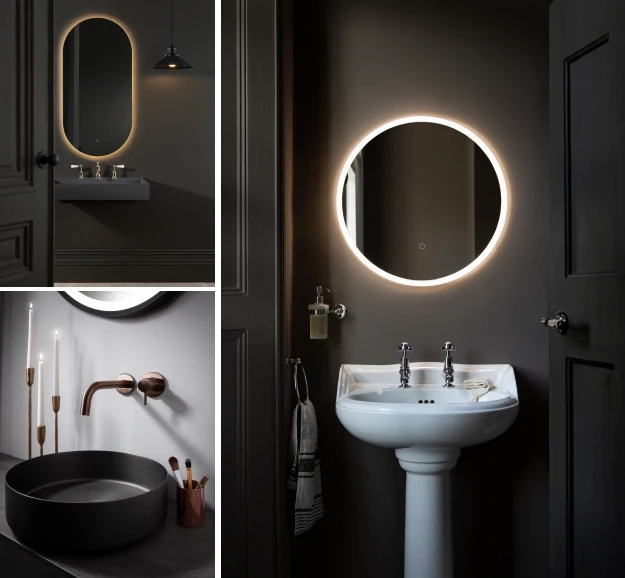
1. Introduction: A Modern Dilemma for Today’s Busy Homes
Designing a modern family bathroom involves making choices that blend style, practicality, and long-term value. Among these decisions, selecting between touchless taps and manual taps has become a major consideration. As bathroom layouts evolve and hygiene awareness continues to grow, homeowners are exploring solutions that simplify routines, conserve water, and maintain cleanliness with minimal effort.
Both tap styles offer unique advantages, but choosing the right one depends on the needs of your household. Families with young children, elderly members, or busy lifestyles may prioritise ease of use and hygiene, while others may focus on aesthetics, cost, or water efficiency. This article explores the key differences between touchless and manual taps to help you decide which is the ideal choice for your modern family bathroom.
2. Understanding Touchless Taps: Functionality, Advantages, and Limitations
Touchless taps—also known as sensor taps—operate through infrared or motion-activated technology. When a hand approaches the sensor, water begins to flow automatically and stops once the hand is removed. These taps are now widely used in public washrooms, but their popularity is rapidly increasing in residential bathrooms due to their hygiene benefits and convenience.
Hygiene and Cleanliness
One of the biggest advantages of touchless taps is their ability to minimise the spread of germs. Since users do not physically touch the tap, the risk of transferring bacteria or viruses is significantly reduced, making them ideal for family bathrooms where multiple users share the same fittings daily.
Child-Friendly Operation
Touchless taps can be incredibly convenient for households with young children. Kids often forget to turn taps off or struggle to control water flow. With a touchless system, the tap activates only when needed, making handwashing more accessible and encouraging better hygiene habits.
Water Efficiency
Sensor-operated taps are designed to automatically regulate water flow, reducing unnecessary wastage. They shut off instantly when hands are removed, which is particularly useful in busy family homes where taps are frequently used. Over time, this can lead to noticeable savings on water bills.
Modern Aesthetic Appeal
Touchless taps often feature sleek, contemporary designs that complement minimalist or modern bathrooms. Their clean lines and streamlined appearance make them an appealing choice for homeowners looking to create a sophisticated space.
Maintenance and Technical Considerations
Despite their many benefits, touchless taps require additional considerations:
- They rely on electricity or batteries, meaning occasional maintenance is necessary.
- Sensors may malfunction if not kept clean or if exposed to heavy condensation.
- They generally come at a higher upfront cost compared to manual taps.
While these limitations do not necessarily detract from their usefulness, they may not suit homeowners seeking a traditional setup or low-maintenance solution.
3. Manual Taps: Reliability, Design Flexibility, and Practical Use
Manual taps have been the standard choice in homes for decades. They require physical contact to operate and come in a wide variety of designs—from classic crossheads to sleek levers—making them highly adaptable to different bathroom styles.
Traditional Reliability
Manual taps are appreciated for their reliability and ease of repair. Their mechanical components are straightforward, and any issues such as leaks or loose handles can typically be resolved quickly without specialist tools or expensive parts. This makes them a practical option for busy families who prefer low-maintenance bathroom fittings.
Cost-Effectiveness
Manual taps are usually more affordable both in terms of purchase price and installation. For families working within a budget or renovating multiple bathrooms, manual taps offer excellent value without compromising quality.
Design Versatility
From traditional brass finishes to brushed black, chrome, or gold, manual taps provide a wide selection of styles to suit any bathroom design. Whether you prefer a classic interior or a modern scheme, you are more likely to find a manual tap that matches your preferred look.
Ease of Temperature Control
Manual taps give users direct control over water temperature and flow. While this can be beneficial, it also means children might accidentally set water too hot or leave taps running longer than necessary, contributing to water wastage.
Hygiene Considerations
Unlike touchless taps, manual taps require physical contact, which means germs can accumulate on the handles. Regular cleaning is essential, especially in family bathrooms with frequent use.
4. Key Differences: Choosing the Right Tap Based on Your Household Needs
When comparing touchless and manual taps, several factors play a vital role in deciding which option best suits a modern family bathroom. Below are the key considerations that can guide your decision.
Hygiene and Safety
Touchless taps clearly win when it comes to hygiene. Their hands-free function helps limit the spread of bacteria, making them highly suitable for families with children or elderly members. Manual taps, while perfectly functional, require more frequent cleaning to maintain hygiene.
Water Consumption
Touchless taps help prevent water waste by automating water flow, whereas manual taps depend on user behaviour. Young children or distracted family members may forget to turn manual taps off, resulting in avoidable water loss.
Budget and Installation Costs
Manual taps are generally more affordable and easier to install. Touchless taps may require additional fixtures, batteries, or electrical connections, contributing to higher initial costs. However, their long-term water-saving potential may offset the investment over time.
Convenience for Families
Touchless taps simplify daily routines by offering easy activation, especially when hands are dirty or full. For busy households, this can make bathroom activities quicker and more efficient. Manual taps, while reliable, may not offer the same hands-free convenience.
Design Preferences
If your bathroom design leans towards a modern or futuristic aesthetic, touchless taps blend seamlessly. For homes seeking a warm, traditional, or classic feel, manual taps offer a much broader style range.
5. Conclusion: Which Tap Is Best for a Modern Family Bathroom?
Both touchless and manual taps offer compelling advantages, and the choice ultimately depends on your family’s lifestyle, priorities, and design preferences.
If hygiene, water conservation, and convenience are your top concerns, touchless taps provide a smart, modern solution that enhances everyday routines. They are particularly beneficial for households with children, elderly members, or anyone who values a clean, hands-free experience.
Alternatively, if you prioritise budget-friendliness, reliable function, and design flexibility, manual taps remain a strong choice. Their wide variety of styles allows you to customise your bathroom easily, and their straightforward design makes long-term maintenance simple.
In many cases, a combination of both—such as touchless taps for the main family bathroom and manual taps for secondary bathrooms—can offer the perfect balance. Whatever your choice, selecting high-quality taps ensures comfort, functionality, and long-lasting value for your modern home.