



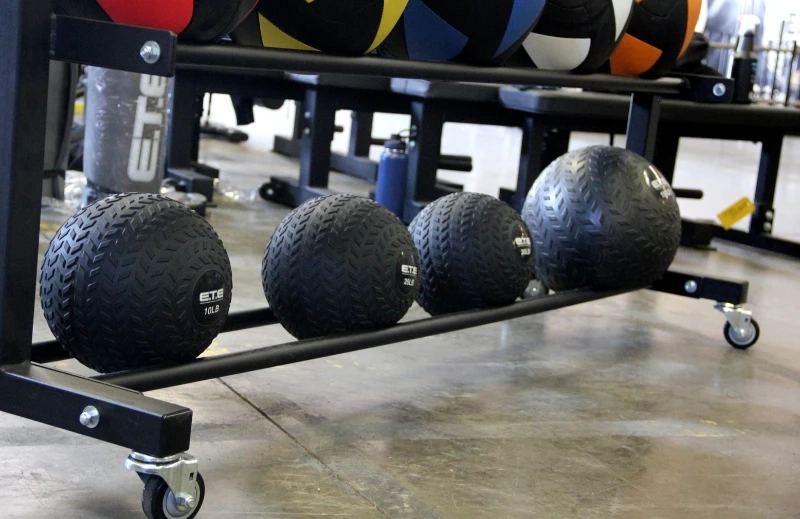
Training methods continue to change, but functional strength, coordination, and endurance remain the foundation of effective workouts. One of the most practical tools used in both home gyms and professional facilities is weighted medicine balls. They support full-body training, improve athletic performance, and fit easily into many training styles without requiring complex equipment.
This guide explains how these training tools work, why they are effective, how to select the right option, and how athletes and home users across California, United States are using them to build stronger, more balanced workouts.
Why Functional Training Tools Matter in Modern Workouts
Strength alone is not enough for most people today. Training programs often focus on mobility, balance, and coordination along with power. Functional training tools are designed to engage multiple muscle groups at the same time, which improves real-world performance and reduces injury risk.
Medicine balls support this type of training because they allow:
- Rotational movement
- Dynamic lifting patterns
- Throwing and catching drills
- Core stabilization exercises
These benefits make them useful for athletes, fitness enthusiasts, and beginners alike.
What Makes Medicine Balls Effective for Strength Training
Medicine balls differ from traditional free weights because they allow movement in multiple directions. Instead of isolating a single muscle group, exercises often engage the core, shoulders, legs, and back at the same time.
Key advantages include:
- Improved coordination and balance
- Increased explosive power
- Better core activation
- Safer learning curve for beginners
Many trainers recommend premium weighted medicine balls for strength training because durable materials, balanced weight distribution, and reliable grip surfaces help maintain consistent performance over time.
How Medicine Balls Support Full-Body Conditioning
Full-body conditioning requires exercises that recruit several muscle groups together. Medicine balls make it possible to perform movements such as:
- Wall throws
- Squat-to-press drills
- Rotational core exercises
- Overhead slams
These movements help develop strength, speed, and endurance simultaneously, which makes them effective for athletes and general fitness users.
Long-tail keyword examples often searched by users include:
- medicine balls for core workouts at home
- full body conditioning exercises with medicine balls
- best medicine balls for strength and conditioning
These types of workouts are popular because they require minimal space while delivering noticeable results.
Different Types of Medicine Balls and Their Uses
Choosing the right type depends on your training goals. Several common styles are widely used in gyms and home setups.
Slam Balls
Designed for high-impact movements, slam balls absorb force and prevent bouncing. They are ideal for:
- Power training
- Conditioning circuits
- High-intensity interval workouts
Rubber Medicine Balls
Rubber designs typically offer moderate bounce and durability. They work well for:
- Partner drills
- Wall throws
- General strength exercises
Wall Balls
Wall balls are slightly larger and softer, making them suitable for:
- Squat throws
- Cross-training workouts
- Endurance routines
People searching for durable medicine balls for high-intensity training often prefer these variations because they are built for repeated use.
How to Choose the Right Weight
Selecting the right weight is important for both safety and effectiveness. A ball that is too heavy may limit movement quality, while one that is too light may reduce training impact.
General guidelines:
- Beginners: 4–8 lb
- Intermediate users: 10–14 lb
- Advanced training: 16–20 lb or more
When choosing equipment, many buyers compare options similar to medicine balls for home gym strength routines to ensure the weight range fits multiple exercises.
Why Durability Matters in Training Equipment
Durability is a key factor when selecting training tools. Equipment that breaks down quickly can interrupt workouts and increase long-term costs.
High-quality materials provide:
- Strong outer shells
- Reinforced seams
- Consistent weight distribution
These factors are especially important for people who perform throwing or slamming movements regularly.
Reliable suppliers such as Extreme Training Equipment provide options designed for both home and commercial environments, ensuring long-term use and dependable performance.
Integrating Medicine Ball Workouts Into Weekly Training
Medicine balls can be used as a primary training tool or as part of a larger workout plan. Many trainers recommend integrating them into:
- Warm-up routines
- Core workouts
- Conditioning circuits
- Athletic training sessions
Popular search phrases often include:
- how to use medicine balls in functional training programs
- medicine ball exercises for athletes and beginners
These routines help maintain variety and keep workouts engaging.
Medicine Balls and Core Strength Development
Core strength is essential for posture, balance, and injury prevention. Medicine ball exercises engage stabilizing muscles more effectively than many machine-based movements.
Examples of effective core drills:
- Russian twists
- Overhead sit-ups
- Rotational throws
- Plank passes
Users frequently look for medicine ball core exercises for stability and balance, especially when training at home without large equipment.
Why Medicine Balls Work Well in Home Gyms
Home gyms require equipment that is compact, versatile, and easy to store. Medicine balls meet all these requirements.
Advantages for home users include:
- Minimal storage space
- Multi-purpose functionality
- Suitable for small workout areas
- Easy integration into bodyweight workouts
Many homeowners researching compact strength training equipment for home workouts consider medicine balls one of the most practical additions.
They also pair well with other Fitness & Gym Equipment, helping users build balanced workout spaces without overcrowding the room.
Safety Tips for Training With Medicine Balls
Safety plays a major role in maintaining consistent progress. Following a few guidelines can reduce injury risk:
- Start with lighter weights until form improves
- Use a stable surface when performing throws or slams
- Maintain proper posture during rotational exercises
- Avoid excessive speed before mastering technique
People searching for safe medicine ball workouts for beginners at home often benefit from structured routines and gradual progression.
How Medicine Balls Improve Athletic Performance
Athletes use medicine balls to develop explosive power and coordination. Sports that benefit include:
- Baseball
- Basketball
- Football
- Martial arts
Rotational and overhead movements closely mimic sports-specific motions, making medicine balls a valuable training tool.
This is why many performance programs include medicine ball drills for speed and explosive power as part of regular training cycles.
Maintenance and Care Tips
Proper care extends the life of training equipment. To keep medicine balls in good condition:
- Wipe surfaces regularly
- Store in a dry environment
- Avoid sharp or rough flooring
- Inspect seams periodically
Many buyers looking for long-lasting medicine balls for heavy training use consider maintenance just as important as initial quality.
Building a Balanced Training Setup
A complete workout space includes strength, conditioning, and mobility tools. Medicine balls complement other equipment such as:
- Dumbbells
- Resistance bands
- Benches
- Plyometric boxes
Adding them alongside other Fitness & Gym Equipment allows users to perform varied workouts without needing large machines.
People often research functional training equipment for small workout spaces when building efficient home gyms, and medicine balls frequently rank high on recommended lists.
Long-Term Benefits of Functional Training Tools
Consistent use of functional equipment supports:
- Better coordination
- Improved endurance
- Stronger stabilizing muscles
- Increased mobility
These benefits make medicine balls suitable for both beginners and experienced athletes who want balanced development rather than isolated strength gains.
For many users, weighted medicine balls become one of the most frequently used training tools because of their versatility and reliability.
Conclusion
Strength and conditioning do not always require complex machines or large training spaces. With the right approach, simple tools can produce excellent results. Medicine balls remain one of the most effective options for improving power, coordination, and overall fitness.
From beginners building their first workout routine to athletes refining performance, weighted medicine balls continue to play an important role in modern training programs. When combined with other Fitness & Gym Equipment, they help create well-rounded routines that support long-term health and performance.
FAQs
1. What are medicine balls used for?
Medicine balls are used for strength training, conditioning, coordination, and core exercises. They allow dynamic movements that engage multiple muscle groups.
2. What weight medicine ball should a beginner use?
Most beginners start with 4–8 lb medicine balls to learn proper technique before progressing to heavier weights.
3. Are medicine balls good for home workouts?
Yes. They are compact, versatile, and suitable for small workout areas, making them ideal for home gyms.
4. Can medicine balls improve core strength?
Yes. Rotational and stabilization exercises performed with medicine balls effectively target core muscles.
5. How long do medicine balls last?
Durability depends on materials, frequency of use, and maintenance. High-quality models can last for years with proper care.
6. What exercises can be done with medicine balls?
Common exercises include wall throws, Russian twists, overhead slams, and squat-to-press movements.
7. Are medicine balls safe for beginners?
Yes, when used with proper form and appropriate weight selection.
8. What is the difference between slam balls and medicine balls?
Slam balls are designed for high-impact slamming with minimal bounce, while standard medicine balls may be used for throws and general exercises.
9. How often should medicine ball workouts be performed?
Many trainers recommend using them 2–4 times per week as part of a balanced routine.
10. Do medicine balls help with athletic performance?
Yes. They improve explosive power, coordination, and functional strength, which benefit many sports.