



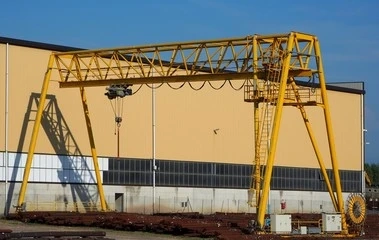
In the fast-paced world of modern construction efficiency flexibility and safety are paramount. One tool that has risen in popularity across job sites from industrial projects to commercial high-rises is the mobile gantry platform. As a scaffolding professional with years of field experience I’ve witnessed firsthand how these systems transform access and handling in even the most challenging environments.
Mobile gantry platforms are not just equipment; they’re an evolution in how we approach temporary access lifting and support structures on complex sites. Engineered with adjustable heights rolling bases and robust frames they offer mobile access solutions where traditional scaffolding may fall short.
Let’s explore the top five applications where mobile gantry platforms are proving to be essential in today’s construction and scaffolding environments.
1. On-Site Equipment Handling and Material Hoisting
One of the most practical uses of mobile gantry platforms is in lifting and positioning heavy construction materials or machinery.
Whether it's steel beams HVAC units or generators mobile gantries allow safe single-point lifting with ease of movement.
Unlike fixed cranes or tower lifts mobile gantry platforms can be rolled directly to the load location. This minimizes manual handling reduces labor and improves job site ergonomics especially in indoor or limited-space environments.
Contractors who need a mobile lifting solution without the overhead cost of larger machinery often rely on gantry systems integrated with electric hoists or manual winches. These are particularly useful in scaffolding setups where equipment needs to be hoisted onto upper decks without disturbing surrounding structures.
For technical insight OSHA offers detailed safety guidelines on the proper use of lifting platforms:
2. Elevated Access for Maintenance & Installation Tasks
Another major use for mobile gantry platforms is providing elevated access in interior or enclosed environments where erecting a full scaffolding system may be overkill. Think of warehouse maintenance ceiling ductwork installation or plant shutdowns in factories.
In these scenarios mobile gantries can be fitted with walkable platforms or suspended scaffolds allowing safe access to overhead areas. Unlike fixed access towers they can be repositioned quickly without dismantling saving hours on staging and reconfiguration.
Their mobility and adaptability make them an ideal fit for short-duration or repetitive access tasks. It's no surprise they’re a favorite in the MEP (Mechanical Electrical & Plumbing) sector for projects that require quick shifts in location.
3. Temporary Gantry Bridge for Scaffolding Access
In large-scale scaffolding environments such as façades bridges or chimney scaffolds mobile gantries are sometimes converted into temporary gantry bridges. These allow safe crossing over open gaps trenches or inaccessible ground.
I’ve personally seen these in action during heritage building restoration where the terrain was too delicate for full ground scaffolding. A mobile gantry bridge enabled safe material movement and worker transit above fragile surfaces.
With the right load rating and wheel locks these platforms provide stable moveable walkways that can integrate into scaffold decks or independent structures.
For reference manufacturers like REID Lifting and Spanco offer high-spec mobile gantry kits suitable for such applications.
4. Safe Support for Suspended Work Platforms
In jobs where suspended scaffolding is necessary like high-rise window installations or curtain wall projects mobile gantries are often used as the anchor support structure.
Rather than drilling into roof surfaces or installing permanent rigging points mobile gantry platforms can serve as the base for suspended scaffolding systems. Their design enables safe vertical load transfer and repositioning across the rooftop.
Especially in retrofit projects or commercial buildings with sensitive roofing materials this method offers a non-invasive yet highly effective anchoring solution.
Integrating this with fall arrest systems ensures full compliance with working-at-height regulations while maximizing flexibility.
5. Emergency Rescue and Rapid Access Deployment
A lesser-discussed but highly critical use of mobile gantry platforms is in emergency access scenarios such as rescue operations or confined space recovery. In confined tanks silos or under-bridge spaces having a fast-deploying gantry system can be the difference between success and failure.
Equipped with self-locking wheels and retrieval winches these platforms allow for safe vertical lifting in time-sensitive conditions. Some models are designed for two-person operation and can be rapidly deployed without heavy machinery.
For scaffolding contractors working in chemical plants wastewater treatment facilities or infrastructure tunnels these platforms are an essential part of the emergency planning protocol.
You can learn more about confined space entry and rescue standards from HSE UK:
https://www.hse.gov.uk/toolbox/confined.htm
Final Thoughts
As a scaffolding professional I believe mobile gantry platforms are one of the most underrated tools in our industry. They bring together strength mobility and versatility qualities that today’s projects demand more than ever.
Whether you’re lifting heavy gear accessing overhead maintenance zones or supporting suspended platforms the potential applications are vast. More importantly when used correctly these platforms improve safety reduce setup time and provide a flexible alternative to more complex access systems.
The key to maximizing their benefits lies in choosing the right specification for your job understanding load ratings mobility requirements and site limitations.
As construction and scaffolding techniques evolve so should the tools we rely on. And in my view mobile gantry platforms are here to stay.