



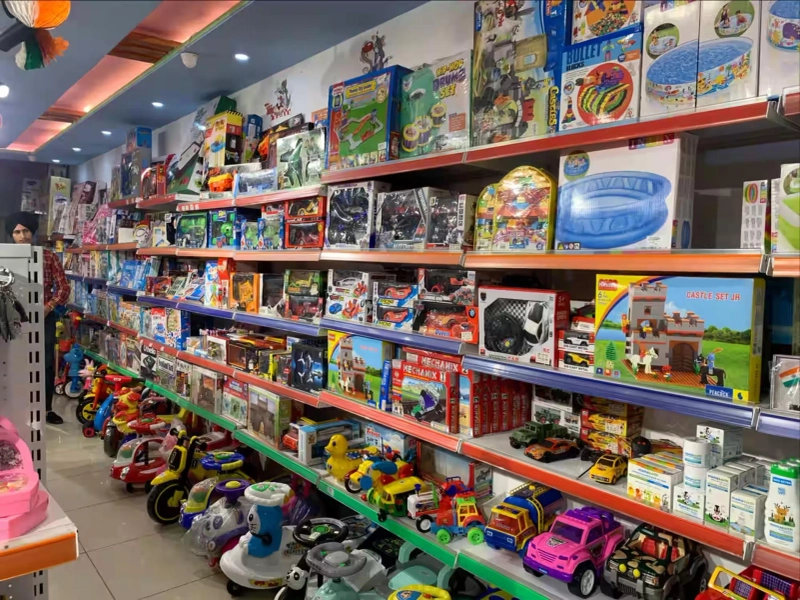
Finding the right wholesale toy distributor matters. The right partner helps you scale. They offer range, price, and reliability. They also support marketing and logistics. This guide lists ten top distributors. Each one can help grow your toy business.
Introduction: Why the right distributor matter
Choosing a distributor is more than price. It is about selection and speed. It is about consistency and compliance. A good distributor keeps shelves stocked. They help you meet demand spikes. They reduce supply headaches and let you focus on sales.
1. Dynamic Distributors
Dynamic Distributors leads the list for good reason. They specialize in flexible toy supply distribution solutions. Their inventory includes branded, generic, and overstock toys. They support both small and large retailers. Their team understands pricing trends and demand cycles. This helps sellers scale with confidence.
2. Netsuit
Netsuit focuses on tech-enabled supply. They use strong inventory systems. That lowers stockouts and delays. They serve online and brick-and-mortar sellers. Netsuit offers bulk pricing tiers. Their reporting helps with reorder planning.
3. Global Toy Supply
Global Toy Supply has a broad product catalog. They cover classic and trendy toys. They work with many factories and brands. Their shipping options are varied and reliable. They offer private-label possibilities. Customer support is responsive and helpful.
4. PlayPro Wholesale
PlayPro Wholesale targets mid-market retailers. They focus on quality at good prices. Their selection spans educational and active play. They provide merchandising guidance. They can bundle items for promotions. They also offer quick restock programs.
5. KinderSource Distributors
KinderSource specializes in early-childhood and educational toys. They vet products for safety and learning value. Schools and small chains often use them. They provide testing documentation when needed. Their catalog updates with learning trends. They are known for reliable lead times.
6. ToyBridge International
ToyBridge International works well across borders. They manage customs and compliance for many regions. They help importers reduce friction. They handle product variety and mixed pallets. They also help with private label development. Their logistics network is broad and tested.
7. HappyHub Wholesale
HappyHub Wholesale focuses on value brands. They carry seasonal and impulse items. Their MOQ levels suit small retailers. They offer frequent promotions and deals. Their website is easy to navigate. Many startups find them a good first partner.
8. PlayMax Distributors
PlayMax Distributors targets specialty toy niches. They carry collectible and hobby lines. Collectors and niche shops often tap their catalog. They offer limited runs and exclusives sometimes. Their trade terms are flexible for loyal buyers. They help with product launch support.
9. Little Giants Supply Co.
Little Giants Supply Co. supports independent stores. They emphasize community retail needs. They stock bestsellers and local favorites. They provide point-of-sale assets for displays. Their sales reps know small store dynamics. They tailor orders to fit shelf space.
10. BrightBox Distributors
BrightBox Distributors focuses on innovation and design-led toys. They curate brands with strong shelf appeal. Their marketing assets help stores sell better. They offer seasonal planograms on request. They are a good fit for stores that want standout inventory. Their lead times are competitive.
How these distributors help you scale
Distributors solve supply chain complexity. They let you buy at scale and save on cost. They help manage product variety and packaging. Many provide dropship and fulfillment services. Some offer private-label and co-packing options. Their tech tools often feed your sales channels.
What to look for when choosing a distributor
First, check product fit and quality. Next, evaluate minimum order quantities. Then, review lead times and shipping costs. Also check safety and compliance paperwork. Ask about returns and damaged-goods policies. Finally, test their customer service responsiveness.
Negotiation tips for better margins
Start with clear forecast numbers. Ask for tiered pricing based on volume. Seek marketing or co-op funds for promotions. Negotiate payment terms that ease cash flow. Ask for sample orders before committing. Ask about seasonal buy-back or return clauses.
Logistics and fulfillment considerations
Think about warehousing and speed to customers. Dropshipping reduces your own inventory needs. Bulk shipping lowers per-unit cost but raises inventory risk. Consider hybrid approaches for best results. Use distributors’ data to optimize replenishment. Automate orders when possible.
Risk management and compliance
Ensure toys meet local safety standards. Ask for certificates and test reports. Track batch numbers and recall plans. Ensure high-value shipments. Diversify suppliers to avoid single-source disruption. Keep safety and compliance documentation handy.
Marketing and merchandising support
Good distributors offer images and descriptions. They may supply planograms and demo kits. Use their marketing materials to reduce your cost. Co-marketing can boost launches. Ask about exclusive SKUs for differentiation. Use promotions to clear slow-moving lines.
How to evaluate performance
Track fill rate and lead-time consistency. Monitor damaged shipment rates. Check invoice accuracy and chargebacks. Measure time to list new SKUs. Survey your store managers or customers for product feedback. Use a scorecard to compare suppliers.
Final thoughts: Building long-term partnerships
Scalable toy sales require strong partnerships. Toy supply distribution is not just logistics. It is a growth strategy. Choose distributors that align with your goals. Build trust through clear communication. With the right partners, your toy business can grow smoothly and sustainably.