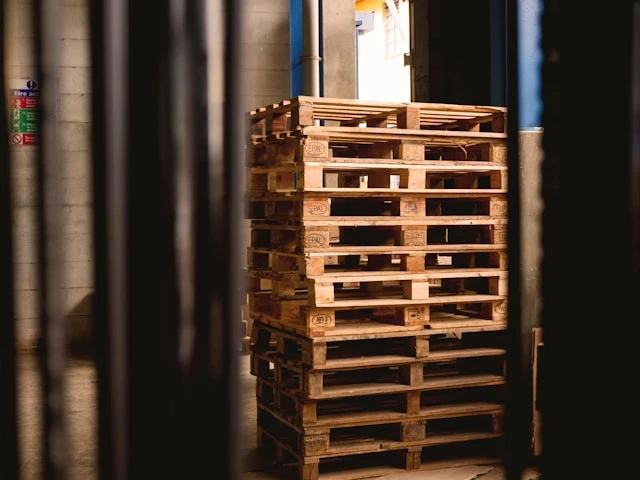
Wooden pallets are essential in the world of shipping and logistics. These humble wooden structures have been the backbone of transporting goods across the globe for decades. Yet, despite their widespread use, there are many misconceptions about them. Some of these myths can lead to misunderstandings about their safety, durability, and environmental impact. In this article, we’ll debunk the top 10 myths about wooden pallets, so you can make informed decisions whether you are a business owner, a consumer, or just curious about these widely-used products.
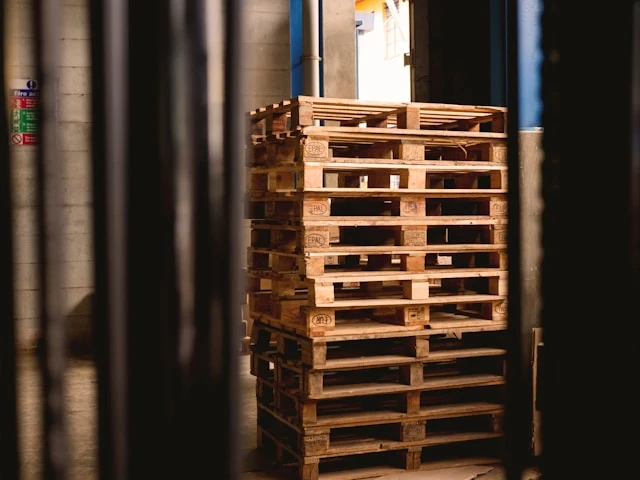
1: Wooden Pallets Are Only for Shipping Heavy Goods
One of the biggest myths about wooden pallets is that they are only used to carry heavy or industrial goods. While it’s true that wooden pallets are commonly used to transport heavy items, they are also suitable for lighter products. In fact, wooden pallets come in a variety of sizes and strengths. Depending on the load requirements, you can find pallets designed to carry lighter products like food items, electronics, and even small packages.
The material of the pallet, its design, and the way it’s made all contribute to its ability to carry different weights. So, if you’re thinking wooden pallets are only for large shipments, think again. They are versatile and cater to a wide range of goods.
2: Wooden Pallets Are Only Useful Once
Many people believe that wooden pallets are only good for one use and then they are disposed of. However, this is far from the truth. Wooden pallets can be reused many times before they begin to show signs of wear. They are durable and built to last, and businesses regularly reuse pallets for multiple shipments. In fact, pallets can often be repaired if they become damaged.
A damaged wooden pallet can be fixed by replacing a single plank or reinforcing weak spots. Many companies and warehouses even have dedicated systems to recycle and reuse pallets. In fact, you might notice that many pallets look old, but they are still perfectly functional.
3: Wooden Pallets Are Unsafe for Handling
Another common myth is that wooden pallets are unsafe to handle due to splinters, nails, or the risk of breakage. While it’s true that wooden pallets can sometimes have nails sticking out or rough edges, modern pallet manufacturing has made safety a priority. Pallets are carefully inspected and treated to ensure they meet specific safety standards.
In addition, safety precautions such as wearing gloves while handling pallets can help prevent injury. When used correctly and maintained well, wooden pallets are just as safe as any other packaging or transport material.
4: Wooden Pallets Are Not Environmentally Friendly
One of the most common myths about wooden pallets is that they are bad for the environment. However, when you look closer, wooden pallets can actually be a more sustainable option compared to plastic or metal pallets. Wooden pallets are made from renewable resources, and at the end of their life cycle, they can be recycled into new pallets or repurposed for other uses.
Moreover, wood used for pallets is often sourced from managed forests, meaning new trees are planted to replace those that are harvested. In contrast, plastic pallets take hundreds of years to break down and are typically not as easily recycled.
5: All Wooden Pallets Are the Same
Not all wooden pallets are created equal. There is a misconception that wooden pallets are a one-size-fits-all solution. In reality, there are different types of wooden pallets designed for specific purposes. The size, weight capacity, and design of a wooden pallet can vary significantly. Some pallets are made for heavy-duty use, while others are lighter and suitable for smaller shipments.
There are also different wood types, such as hardwood and softwood, each offering varying levels of strength and durability. Additionally, the way a pallet is built, including whether it’s block or stringer, will affect its strength and performance.
6: Wooden Pallets Are Expensive
Some people assume that wooden pallets are expensive and that they are not a cost-effective solution. However, wooden pallets are actually quite affordable, especially when you compare them to other options like plastic or metal pallets. Not only are they cheaper to purchase, but they also tend to have lower maintenance costs.
If a pallet gets damaged, it can often be repaired or refurbished at a lower cost compared to replacing a plastic or metal pallet. Furthermore, because wooden pallets are reusable, businesses can save money over time by reusing them instead of constantly purchasing new ones.
7: Wooden Pallets Are Too Heavy to Handle
Another myth is that wooden pallets are too heavy and difficult to handle, especially for small businesses or individuals. In reality, wooden pallets come in various sizes and weights, with many lightweight options available. While heavy-duty pallets are designed for carrying large and bulky items, there are many lightweight versions that can be handled easily by a single person or small team.
For example, a standard 48” x 40” wooden pallet is typically about 30 pounds, which is manageable for most people to lift and carry. Additionally, pallet jacks and forklifts are commonly used in warehouses to handle heavy pallets, making the process even easier.
8: Wooden Pallets Can’t Be Used for Food Packaging
A common myth is that wooden pallets are not suitable for use in the food industry due to concerns about cleanliness and contamination. However, this is not the case. Wooden pallets are commonly used in the food industry, but they must meet specific standards. Pallets used in food handling are often treated and sanitized to ensure they are free from contaminants.
Additionally, there are guidelines and certifications, such as the ISPM 15 standard, which require pallets to be heat-treated to prevent the spread of pests. With proper care and regulation, wooden pallets can be perfectly safe for transporting food products.
9: Wooden Pallets Are Easy to Break or Damage
Some people believe that wooden pallets are fragile and will break easily under pressure. In fact, wooden pallets are incredibly strong and durable when properly made. The wood used in pallets is selected for its ability to handle weight and stress. While some pallets may break if they are subjected to extreme conditions or mishandling, most wooden pallets are designed to withstand regular wear and tear.
If a pallet is damaged, it’s usually the result of improper use or handling, such as stacking pallets incorrectly or overloading them. Proper maintenance and careful handling will ensure that wooden pallets stay in good condition for a long time.
10: Wooden Pallets Are Not Compatible with Modern Supply Chains
With the rise of technology in modern logistics, many assume that wooden pallets are no longer compatible with high-tech supply chains. In reality, wooden pallets are still very much a part of modern supply chains and logistics systems. Many companies use automated systems that integrate wooden pallets, and they can be tracked using barcode or RFID technology.
The simplicity and efficiency of wooden pallets make them a practical choice even in today’s high-tech world. Their widespread use, cost-effectiveness, and ease of integration into supply chain systems make them an enduring solution.
Conclusion
Wooden pallets play a crucial role in the global supply chain, and despite many myths, they continue to be a reliable, affordable, and sustainable option for transporting goods. By debunking these common misconceptions, we can better appreciate the role wooden pallets play in industries around the world. Whether you're a business owner or simply someone curious about logistics, understanding the truth behind these myths will help you make more informed decisions when it comes to using wooden pallets in your daily operations.