



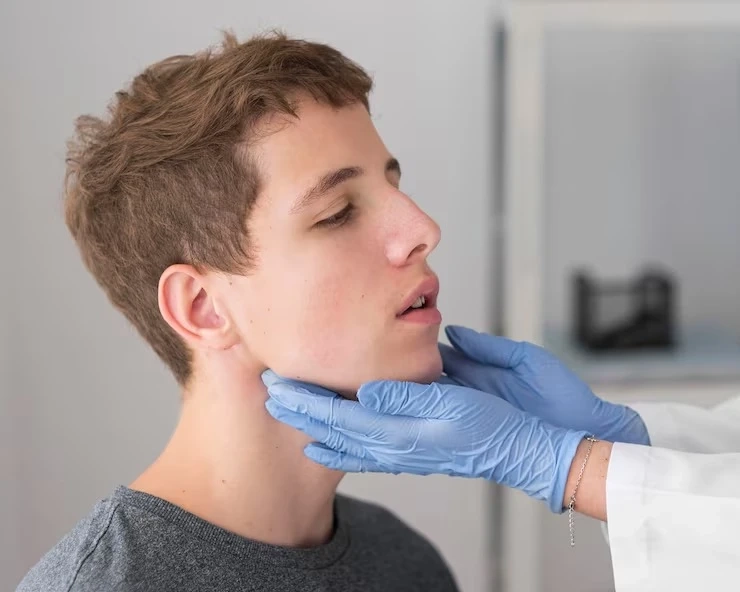
The temporomandibular joint, or TMJ, is the hinge that connects your jaw to your skull. It plays a critical role in everyday functions such as speaking, chewing, and yawning. When this joint or the surrounding muscles become strained or misaligned, it can lead to discomfort known as a TMJ disorder.
Symptoms can vary widely, from mild jaw soreness to persistent pain, headaches, or difficulty opening and closing the mouth. TMJ issues can affect anyone, regardless of age, and often develop gradually, making them easy to overlook at first.
Early evaluation and treatment are essential to prevent long-term complications and restore comfort. By understanding the causes, signs, and available treatments, you can take proactive steps to manage TMJ symptoms effectively and improve your quality of life.
Causes of TMJ Disorders
TMJ disorders can develop from a variety of factors, often involving a combination of jaw, muscle, and joint issues. Understanding the underlying causes helps guide effective treatment and long-term relief.
Jaw Injury or Trauma
A direct impact or injury to the jaw, face, or head can damage the joint or surrounding muscles, leading to TMJ problems. Even minor injuries can contribute to chronic discomfort over time.
Teeth Grinding and Clenching (Bruxism)
Many people unconsciously grind or clench their teeth, especially during sleep. This repetitive strain places pressure on the TMJ, causing pain, stiffness, and wear on the teeth.
Arthritis and Joint Degeneration
Osteoarthritis or rheumatoid arthritis can affect the temporomandibular joint, leading to inflammation, stiffness, and reduced mobility.
Stress-Related Muscle Tension
Emotional stress can cause the jaw muscles to tighten or spasm, contributing to TMJ pain. Habitual chewing of gum, biting nails, or clenching the jaw during stressful moments can worsen symptoms.
Identifying the cause of TMJ is crucial for selecting the most effective treatment. A combination of lifestyle adjustments, professional intervention, and targeted therapy often provides the best outcomes for lasting relief.
Signs You May Need TMJ Treatment
Recognizing the symptoms of TMJ disorders early can prevent more serious complications and help restore comfort sooner. Common signs include:
Persistent Jaw Pain or Soreness
Discomfort in the jaw, especially when chewing or speaking, is often one of the first indicators of a TMJ issue.
Headaches or Earaches
TMJ problems can radiate pain to surrounding areas, causing frequent headaches or ear discomfort without an infection.
Clicking, Popping, or Locking of the Jaw
Unusual sounds when opening or closing the mouth, or episodes where the jaw becomes stuck or difficult to move, are clear signs that the joint may be misaligned or strained.
Difficulty Chewing or Opening the Mouth Fully
Limited range of motion, pain while chewing, or feeling as though the bite is “off” can indicate a TMJ disorder.
Facial Tension and Muscle Fatigue
Some patients notice tightness or fatigue in the jaw, face, or neck muscles due to prolonged tension from TMJ stress.
If you experience one or more of these symptoms regularly, consulting a professional is recommended. Early evaluation allows for targeted treatment and can significantly improve comfort and jaw function.
Diagnostic Methods for TMJ
Accurate diagnosis is essential to effectively treat TMJ disorders. A thorough evaluation helps determine the root cause of discomfort and guides the best course of treatment.
Comprehensive Dental and Jaw Evaluation
The dentist examines the jaw, teeth, and surrounding muscles, checking for tenderness, range of motion, and alignment. This assessment helps identify any mechanical issues or muscle imbalances contributing to the disorder.
Imaging Techniques
X-rays, MRI, or CT scans may be used to visualize the joint structure, detect inflammation, or identify structural abnormalities. These imaging tools provide detailed information that cannot be obtained through a physical exam alone.
Assessing Bite Alignment and Muscle Function
Evaluating how your teeth come together and how the jaw muscles operate during movement helps identify areas of strain or misalignment that may be causing TMJ pain.
By combining these diagnostic methods, a dentist can create a clear picture of the condition and recommend a personalized treatment plan. Accurate assessment is the first step toward relieving pain, restoring proper function, and preventing future complications.
Non-Surgical TMJ Treatment Options
Many TMJ disorders can be effectively managed without surgery. Non-surgical treatments focus on relieving pain, reducing strain on the jaw, and restoring normal function.
Nightguards and Splints
Custom-made oral appliances help prevent teeth grinding and jaw clenching during sleep. By redistributing pressure, these devices protect the joint and reduce discomfort.
Physical Therapy and Jaw Exercises
Targeted exercises strengthen jaw muscles, improve flexibility, and promote proper alignment. Physical therapy can also include massage and stretching techniques to relieve tension.
Lifestyle Changes
Stress management, avoiding excessive chewing or hard foods, and practicing good posture can significantly reduce strain on the jaw joint.
Pain Management Strategies
Over-the-counter pain relievers, anti-inflammatory medications, or topical treatments can help control discomfort. In some cases, a dentist may recommend corticosteroid injections for temporary relief.
Non-surgical approaches are often the first line of treatment and can provide significant relief for most patients. Consistency and guidance from a trained professional are key to achieving lasting results and preventing further complications.
Advanced and Surgical TMJ Treatments
While many TMJ disorders respond well to non-surgical care, some cases require advanced or surgical interventions to restore function and relieve pain.
Minimally Invasive Procedures
Techniques like arthrocentesis involve flushing the joint to remove debris and reduce inflammation. These procedures are less invasive, often performed under local anesthesia, and can provide quick relief for persistent symptoms.
Arthroscopy
This procedure uses a small camera inserted into the joint to diagnose and treat problems directly. Arthroscopy allows for precise treatment of damaged tissues or joint abnormalities with minimal disruption.
Corrective Jaw Surgery (Orthognathic Surgery)
In severe cases, when the jaw joint or bite alignment is significantly affected, surgery may be necessary to correct structural issues. This intervention can relieve chronic pain, improve function, and enhance facial symmetry.
When Surgery Becomes Necessary
Surgical options are typically considered only after conservative treatments have been attempted without sufficient relief. Your dentist or oral surgeon will carefully evaluate your condition, discuss all options, and recommend the most appropriate approach.
Advanced and surgical treatments can provide lasting relief for patients with complex TMJ disorders, restoring both comfort and proper jaw function.
At-Home Tips for Managing TMJ Symptoms
Alongside professional treatment, certain at-home strategies can help reduce discomfort and prevent worsening of TMJ symptoms.
Stress Reduction Techniques
Stress can cause jaw clenching or teeth grinding. Techniques such as deep breathing, meditation, or yoga can help relax muscles and relieve tension in the jaw.
Heat and Cold Therapy
Applying a warm compress to the jaw muscles can relax tight muscles and improve circulation, while a cold pack can reduce inflammation and numb soreness. Alternating between heat and cold can be especially effective.
Dietary Adjustments
Soft foods like soups, smoothies, and cooked vegetables are easier on the jaw, while avoiding hard, chewy, or sticky foods reduces strain during meals.
Jaw Exercises and Gentle Stretching
Simple exercises recommended by a dental professional can help improve jaw mobility and reduce stiffness. Consistency is key to maintaining flexibility and minimizing discomfort.
Avoid Overuse of the Jaw
Minimize habits such as chewing gum, biting nails, or holding objects between your teeth, as these actions can increase stress on the joint.
By incorporating these at-home practices into your daily routine, you can complement professional TMJ treatments and enhance long-term comfort and jaw function.
Why Choose a TMJ Specialist in Leesburg
Choosing the right specialist is crucial for effectively diagnosing and treating TMJ disorders. A skilled professional ensures that your treatment is accurate, safe, and tailored to your specific needs.
Expertise in TMJ Disorders
A TMJ specialist has advanced training in jaw function, muscle health, and bite mechanics. This expertise allows for precise diagnosis and treatment planning that addresses the root cause of your symptoms.
Personalized Treatment Plans
Every patient’s jaw and pain profile are unique. Specialists develop customized plans, combining non-surgical, minimally invasive, or surgical options as needed to achieve the best results.
State-of-the-Art Technology
Modern imaging and diagnostic tools help detect joint abnormalities, assess bite alignment, and guide treatment with precision. This technology enhances outcomes and reduces the risk of complications.
Patient-Centered Care
A trusted TMJ specialist prioritizes patient comfort, communication, and education. Understanding your symptoms and goals ensures that treatment is not only effective but also supportive and reassuring.
By choosing a qualified specialist in Leesburg, you can confidently address TMJ issues and take the first steps toward lasting relief, improved jaw function, and better overall quality of life.
Frequently Asked Questions About TMJ
How long does TMJ treatment take to work?
Treatment timelines vary depending on the severity of the disorder and the chosen approach. Many patients notice improvement within a few weeks of starting non-surgical therapies, while more advanced treatments may take longer to achieve full relief.
Can TMJ cause headaches or ear pain?
Yes. TMJ disorders can create tension in the jaw muscles and surrounding areas, often resulting in headaches, earaches, or even a ringing sensation in the ears.
Is TMJ treatment painful?
Most TMJ treatments are non-invasive and cause minimal discomfort. Procedures like physical therapy, nightguards, or splints are gentle, and even minimally invasive procedures are designed to reduce pain and promote healing.
Are TMJ splints effective?
Custom-made splints or nightguards are highly effective for reducing teeth grinding, alleviating muscle strain, and protecting the jaw joint from further damage.
Can TMJ resolve on its own without treatment?
Mild TMJ discomfort may improve with self-care, stress reduction, and lifestyle adjustments. However, persistent or worsening symptoms should be evaluated by a professional to prevent long-term complications.
Conclusion
TMJ disorders can significantly impact daily life, causing jaw pain, headaches, and difficulty with chewing or speaking. Early evaluation and proper treatment are key to relieving discomfort, restoring jaw function, and preventing long-term complications.
By working with a skilled TMJ specialist in Leesburg, patients receive personalized care tailored to their unique needs. From non-surgical therapies and lifestyle adjustments to advanced or surgical treatments when necessary, professional guidance ensures effective and lasting relief.
Taking action early can improve quality of life, reduce pain, and help you regain normal jaw function. If you are experiencing jaw discomfort or other TMJ symptoms, schedule a consultation today to explore the best treatment options and start your path toward comfort and a healthier, fully functional jaw.