



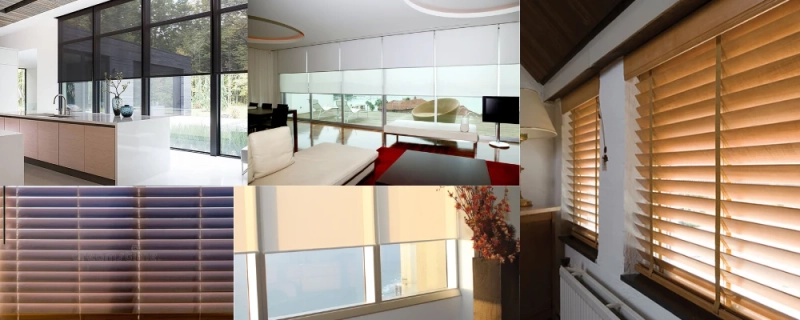
When it comes to a perfect window treatment, Venetian blinds remain the top choice for their stylish, practical look. The sleek, horizontal slats provide incredible privacy and total light control, and add a timeless appeal to any modern or traditional interior. However, a question that remains is whether to go with timber Venetian blinds or faux wood Venetian blinds. Both these options have their unique benefits, features, and advantages, and the right choice will depend on your preferences, lifestyle, budget, and environment. This report breaks down both materials and compares them on appearance, performance, cost, and more to help you make an informed decision for your property.
WHAT ARE TIMBER VENETIAN BLINDS?
Timber or wooden Venetian blinds are crafted from natural wood and add a warm, organic feel to any interior. Each slat has a unique grain pattern, and the natural tones of wood make this window solution unique and versatile. These blinds are popular among homeowners who value craftsmanship and want to add a touch of sophistication to their space.
Some unique features of timber Venetian blinds are reviewed below
NATURAL WARMTH AND TEXTURE
The real timber adds depth and elegance to these Venetian blinds. They are ideal for your living room, bedroom, home office, etc.
THEY ARE LIGHTWEIGHT AND FLEXIBLE
Wooden Venetian blinds are easy to adjust for light and privacy. You can control the amount of light entering your home by tilting the slats to different angles.
CUSTOMISABLE FINISHES
Timber Venetian blinds are available in various stains, paints and grain patterns. You can select the one that matches your furniture, flooring, and overall interior design. With this installation, you will also benefit from insulation, as timber regulates interior temperatures very well and contributes to reduced energy consumption.
An important thing to understand about timber (wooden) Venetian blinds is that they require regular care to maintain their appearance and durability. They are not recommended for humid areas in a home, such as bathrooms and kitchens. Due to moisture, the timber can warp or fade without proper maintenance and sealing.
WHAT ARE FAUX WOODEN VENETIAN BLINDS?
Faux wooden Venetian blinds are made from composite materials, and the most common materials are PVC and Vinyl. They mimic the look of natural timber very closely, but an added advantage is that they are more resilient against moisture, excessive sunlight, and other conditions. Unlike timber Venetian blinds, these faux wooden Venetian blinds are also recommended for high-humidity areas like kitchens and bathrooms. Even properties around coastal areas can confidently use Venetian blinds made from this material. Some key features of faux wooden Venetian blinds are reviewed below.
● They are naturally moisture-resistant and hence perfect for kitchens, bathrooms, and other humid areas in your home.
● Low maintenance requirements mean they are easy to clean with a damp cloth and don't require any frequent staining or polishing.
● They are durable and fully resistant to cracking, fading, warping, etc.
● Faux wooden Venetian blinds are cheaper than real timber Venetian blinds, and this means you have a stylish solution for your property right inside your budget.
Faux wooden Venetian blinds have evolved significantly over the years, and now there are options that closely resemble real wood. However, the downside is that they are heavier and do not match the look that wooden Venetian blinds can give your interiors. They also like the same level of natural charm as the authentic timber.
COMPARING APPEARANCE AND STYLE
Timber Venetian blinds are known for their authenticity and the unique aesthetics that they add to any interior. The real wood grain and tone variations found in them make them an elegant addition to your property. They will enhance the interiors naturally, creating a warm and welcoming atmosphere. This is not seen with synthetic materials, such as faux-wooden Venetian blinds. They are known for their consistency, but the colour and texture are uniform in most cases. They are ideal for minimalist to modern interiors where uniformity is the priority.
COMPARING IN TERMS OF DURABILITY AND LONGEVITY
The weather conditions in Australia can be very harsh, with factors including sunlight, heavy rain, humidity, and coastal air. In these situations, durability is a significant factor and the only thing that homeowners mostly want in their Venetian blinds.
Timber Venetian blinds are ideal for dry and climate-controlled spaces. They require regular maintenance, and when adequately maintained, they will last for decades and retain their appeal and appearance. Exposure to moisture should be avoided at all costs to prevent swelling, premature discolouration, and damage.
FAUX WOOD BLINDS
Faux wood blinds are perfect for wet and humid conditions, and they can resist moisture and damage well. They are most recommended for kitchens, laundries, and bathrooms. The synthetic material used in their manufacturing can stand up to ultraviolet rays better, and this means they experience less fading, and there is no chance of premature wear and tear.
MAINTENANCE AND CLEANING
● Maintenance will determine how long your blinds keep looking their best.
TIMBER VENETIAN BLINDS:
● Need occasional dusting with a soft cloth or microfiber duster.
● Should be polished or treated periodically to maintain their natural finish.
● Avoid harsh cleaners or excessive moisture.
FAUX WOOD BLINDS:
● Require minimal effort
● Just a quick wipe with a damp cloth.
● Don't need polishing or special cleaning products.
● Perfect for households seeking low-maintenance window coverings.
For busy households or rental properties, faux wood offers convenience without compromising on style.
MAKING THE RIGHT CHOICE
● Choose timber venetian blinds if you:
● Want a warm, natural aesthetic.
● Live in a low-humidity area.
● Prefer lightweight blinds for large windows.
● You are looking for a premium, elegant finish.
CHOOSE FAUX WOOD VENETIAN BLINDS IF YOU:
● Live near the coast or in humid climates.
● Want a low-maintenance, affordable option.
● Need durable blinds for high-traffic or wet areas.
● Prefer a uniform and modern look.
Both these materials will elevate your property's interiors and give them a unique look and appeal. You have to align your choice with your lifestyle for complete satisfaction.
We have covered some top questions and their answers related to timber Venetian blinds in this segment.
FAQs
ARE TIMBER VENETIAN BLINDS SUITABLE FOR HUMID AREAS?
● Timber can warp or fade if exposed to moisture.
● For high-humidity spaces, choose faux wood blinds instead.
HOW LONG DO TIMBER VENETIAN BLINDS LAST?
● With proper care and maintenance, quality timber blinds can last 15–20 years, maintaining both their appearance and functionality.
CAN FAUX WOOD BLINDS LOOK LIKE REAL TIMBER?
● High-quality faux wood blinds replicate the texture and grain of timber.
● Most people can't distinguish them without close inspection.
WHICH BLINDS ARE EASIER TO CLEAN?
● Faux wood blinds are easier to maintain.
● Just wipe them with a damp cloth.
● Timber blinds require more delicate care to avoid moisture damage.
ARE TIMBER BLINDS WORTH THE HIGHER COST?
● If you value natural beauty and long-term elegance.