



Introduction
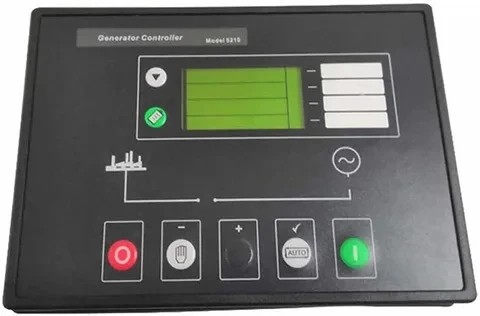
It’s easy to glance at a control panel and think it’s just a metal box full of switches. In reality, Generator Control Panels are the decision-makers that keep power systems safe, efficient, and predictable. They coordinate starts and stops, protect equipment, and provide the information operators need to avoid costly downtime. Understanding what goes on inside changes the way you value a power installation.
What a Control Panel Actually Does
Command and coordination
At its core, a control panel sequences events. It decides when a generator should start, how load sharing is managed, and when to transfer power between sources. Without that logic, multiple generators or backup systems can fight each other or fail to respond when needed.
Monitoring and protection
Panels constantly watch voltage, frequency, temperature, and oil pressure. When readings stray outside safe limits, the panel triggers alarms and protective actions to prevent damage. That real-time oversight is why panels are central to reliability.
How Panels Improve Reliability
Automation reduces human error
Automated routines handle routine tasks—automatic starts on mains failure, synchronized paralleling for multiple units, or staged load pickup. Removing manual steps shrinks the window for mistakes and speeds response during an outage.
Predictive insights keep systems healthy
Modern panels log performance and fault history. Techs can spot trends—rising temperatures, erratic voltages, or frequent tripping—and fix the root cause before a failure occurs. This predictive maintenance mindset turns downtime into scheduled, manageable work.
Design Choices That Matter
Simplicity versus sophistication
Not every application needs the same level of complexity. A critical data center benefits from advanced digital panels with remote telemetry, redundancy, and programmable logic. A small commercial site may prioritize rugged, easy-to-use controls. Choosing the right feature set directly impacts long-term reliability and cost.
Build quality and environmental protection
Enclosures, wiring practices, and component ratings determine how well a panel performs in real world conditions. Dust, humidity, or vibration can degrade electronics; proper sealing, cooling, and mounting extend service life and reliability.
Also Read : Powering Progress: The Strategic Importance of Industrial Diesel Generators in Qatar [Case Studies]
Maintenance and Lifecycle Considerations
Routine checks and calibration
A well-maintained control panel can run for decades, but it needs periodic attention: cleaning, inspecting connections, updating firmware, and testing protective settings. These small investments prevent large failures.
Spare parts and serviceability
Panels designed for easy access and with commonly available modules reduce mean time to repair. When a panel allows quick replacement of a faulty relay or display, systems return to service faster.
Choosing the Right Panel for Your Operation
Start by matching panel capabilities to your operational risk and staffing. Ask about automation features, fault logging, remote monitoring, and environmental protections. Prioritize vendors who document settings, provide training, and offer clear service pathways—those choices make reliability repeatable.
Conclusion
Control panels are far more than boxes; they’re the brains that protect equipment, automate response, and turn raw power into dependable service. Investing in the right design, maintenance plan, and supplier relationships pays off in fewer surprises and lower total cost of ownership. For tailored guidance and robust solutions, consider working with experts like Laurus Technologies LLC to ensure your power systems deliver when it matters most.