



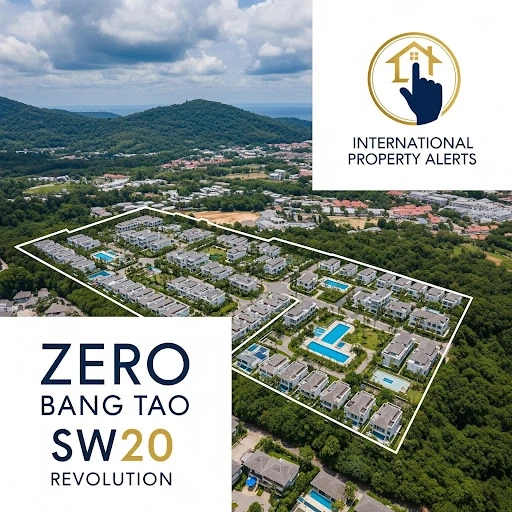
Sunlight filters through double-glazed windows as the dawn breeze drifts across an open-plan living room in Bang tao. The hum of the inverter air-con is barely audible. Every detail, from solar-ready rooftop to rain-harvest cistern, conspires to shrink utility bills and bolster investor returns. This is the promise of Zero SW20 energy efficiency, and it may be the quiet revolution reshaping Phuket’s luxury market.
Understanding Zero SW20
Zero SW20 is more than a certification. It is a design philosophy that addresses three principal cost centers: electricity, cooling and water. Each kilowatt-hour conserved, each liter of water reused, directly enhances net yield. In a market where gross rental yields hover around 4 to 5 percent, savings of two to three thousand dollars a year on utilities can lift your return by half a percent or more. In a high-stakes investment environment, that margin matters.
Breaking Down the Cost Centers
Electricity
Traditional villas in Bang tao often rely on standard grid power and outdated lighting. Average monthly bills run from USD 200 to 300. By contrast, a Zero SW20 build integrates LED fixtures, photovoltaic panels and smart meters. The result is a 40 to 60 percent reduction in electricity spend, translating to annual savings of USD 1,200 to 2,160.
Cooling
Phuket’s humid climate drives up air-con use. Older stock demands constant compressor cycles and suffers from thermal leakage. Modern thermal insulation, high-performance glazing and zoned climate control slash cooling loads. Expect a 30 to 50 percent drop in energy devoted to air-conditioning, another USD 1,000 saved each year on a 350-square-metre villa.
Water
Municipal water costs and private-well pumping fees can climb to USD 50 per month. Rainwater harvesting systems, greywater recycling for landscaping and low-flow fixtures reduce fresh-water consumption by up to 70 percent. That often means USD 300 to 400 annual savings, while preserving Phuket’s precious aquifers.
Design Choices That Drive Savings
• Orientation and shading - A south-facing façade with adjustable louvers welcomes breezes and deflects midday sun.
• Insulation and glazing - High-R-value walls and double-glazed windows create a thermal envelope that holds cool air in and heat out.
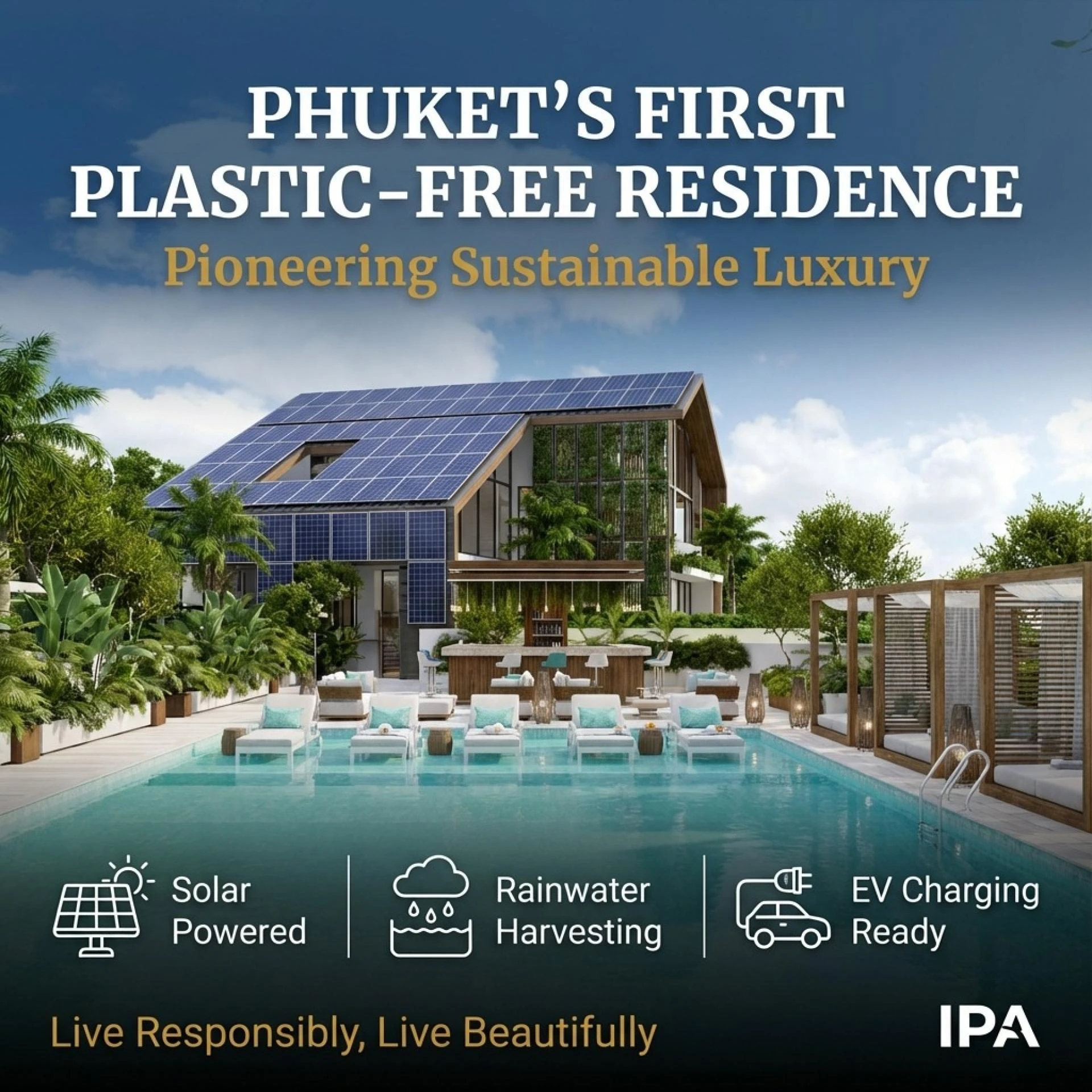
• Solar integration - Rooftop photovoltaics wired to battery storage deliver off-peak power and feed excess into the grid.
• Smart controls - Sensor-based lighting, occupancy-triggered ventilation and remote monitoring ensure energy is used only when needed.
• Water management - Cisterns collect monsoon rain, while filtration and UV treatment repurpose greywater for gardens and toilet flushing.
Estimating Annual Utility Savings
Use this straightforward template to project savings and reflect them in your net yield analysis:
1. Establish Baseline Costs
• Electricity (current annual): USD 2,400
• Cooling (current annual): USD 2,000
• Water (current annual): USD 600
Total Baseline: USD 5,000
2. Project Zero SW20 Costs
• Electricity (projected annual): USD 1,200
• Cooling (projected annual): USD 1,000
• Water (projected annual): USD 200
Total Projected: USD 2,400
3. Calculate Annual Savings
Total Savings: USD 5,000 – USD 2,400 = USD 2,600
4. Reflect in Net Yield
• Gross Rental Income: USD 100,000
• Operating Expenses (excluding utilities): USD 20,000
• Utilities Saved: USD 2,600
• Net Operating Income Before Savings: USD 80,000
• Net Operating Income After Savings: USD 82,600
• Net Yield Before Savings: 80,000 ÷ 2,000,000 = 4.00%
• Net Yield After Savings: 82,600 ÷ 2,000,000 = 4.13%
Across a portfolio of five villas, that uplift compounds, delivering tens of thousands in extra annual cash flow.
Bang tao Modern Builds Versus Older Stock
Walk the sands of Bang tao and you will encounter both the polished lines of new developments and the familiar silhouettes of post-boom villas. While pre-2008 properties may boast generous plots and mature landscaping, they carry energy inefficiencies in walls, windows and mechanical systems. The modern builds, often conceived by European architects, embed Zero SW20 principles from the ground up. They anticipate Phuket’s climate, leverage passive design and integrate renewables. The result is a property that not only resonates with discerning tenants but also performs superbly on the balance sheet.
Sensory and Strategic Advantages
Beyond the numbers, energy-efficient properties offer a premium living experience. Imagine waking to filtered sunlight, not glare. Savoring indoor air as crisp and fresh as an alpine morning. Working from home in rooms that stay cool without droning compressors. These sensory benefits drive higher occupancy rates, command premium nightly or monthly rent and foster guest loyalty. In turn, fewer utility disputes, lower maintenance calls and reduced environmental footprint elevate your reputation as an investor committed to quality and sustainability.
An Elegant Path Forward
Energy efficiency is no longer an afterthought; it is an asset. Zero SW20 stands as a benchmark that merges cinematic living with unassailable financial logic. As you compare Bang tao’s property stock, view energy performance not as a footnote, but as a core criterion. Every kilowatt-hour conserved, every drop of water recycled, is equity earned.
Discover how these principles can reshape your next acquisition, transforming utility savings into tangible yield and securing your foothold in Phuket’s most coveted neighborhoods.
Contact
Ben Battersbee
WhatsApp +639266400529
ben@internationalpropertyalerts.com
www.internationalpropertyalerts.com