



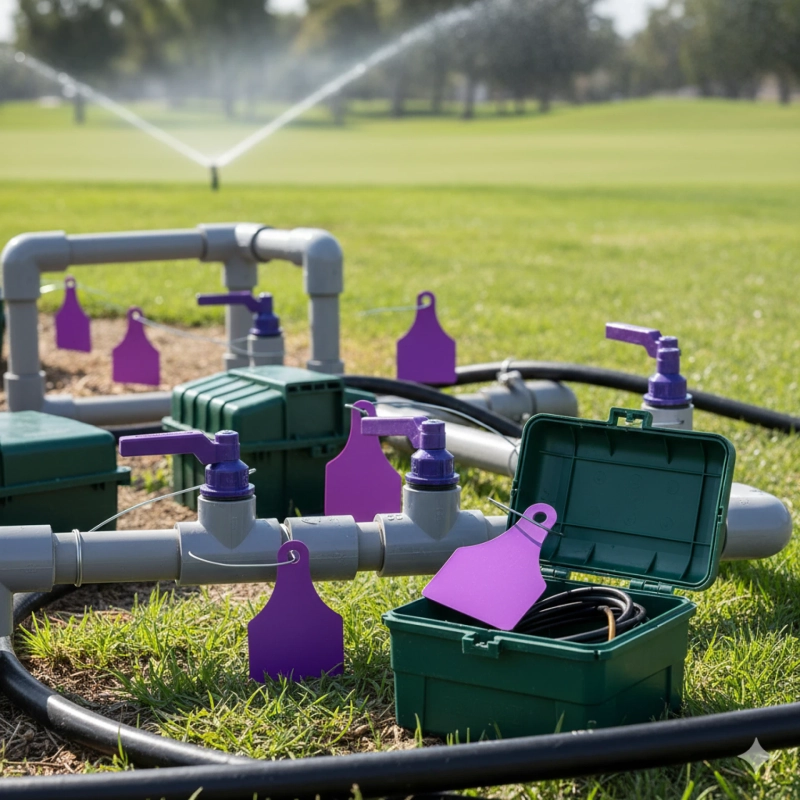
In an era of increasing environmental consciousness and water scarcity, the transition toward sustainable water management has never been more critical. For landscaping professionals, municipal managers, and agricultural experts, using recycled water—often referred to as reclaimed or non-potable water—is a smart, eco-friendly solution. However, with great innovation comes great responsibility.
Properly marking your infrastructure with recycled water identification tags is not just a recommendation; it is a vital safety requirement. In this comprehensive guide, we will explore why identification matters, the legal standards surrounding recycled water, and how the right tagging system can save you from costly liabilities.
Why Does Identification Matter in Irrigation?
Imagine a scenario where a maintenance worker or a curious passerby mistakes a recycled water outlet for a potable (drinking) water source. Without clear, high-visibility reclaimed water signs, the risk of cross-contamination or accidental ingestion becomes a serious health hazard.
Recycled water undergoes significant treatment, but it is not intended for human consumption. It may contain levels of minerals or bacteria that are safe for crops and grass but unsafe for people. This is why the industry has adopted "Purple" as the universal color for non-potable water.
1. Preventing Cross-Connection
A cross-connection occurs when a non-potable water system is inadvertently linked to a clean drinking water system. Using purple irrigation supplies and dedicated irrigation valve box tags ensures that every technician who works on the site knows exactly what they are dealing with.
2. Legal Compliance and Liability
In many states, specifically in drought-prone areas like California, Texas, and Arizona, the law mandates the use of specific signage and tags for any reclaimed water system. Failing to provide adequate reclaimed water signs can lead to heavy fines, project shutdowns, or even lawsuits if a health incident occurs.
The Significance of the Color Purple
If you have ever walked through a modern park or golf course and seen purple sprinkler heads or purple valve box lids, you are looking at a safety standard in action.
The color purple was chosen internationally to represent reclaimed water. At Irrigation Tag Supply, we specialize in providing high-durability purple tags that stay vibrant even under intense UV exposure. Using recycled water identification tags in the standard purple hue tells the world—without needing to read a single word—that this water is "Non-Potable."
Essential Types of Irrigation Tags for Your Project
Not all tags are created equal. Depending on the location and the specific component of your system, you will need different types of identification tools.
Valve Box Identification
The valve box is the "brain" of your irrigation system. These boxes are often buried or flush with the ground, making them easy to miss. Using a recycled water valve box ID tag ensures that anyone opening the lid is immediately warned of the water source. Our TPU (Thermoplastic Polyurethane) tags are designed to withstand the damp, dark environments inside valve boxes without rotting or fading.
Hanger Tags for Piping and Valves
For above-ground systems or large-scale agricultural setups, hanger tags are the gold standard. These recycled water identification tags wrap around pipes or hang from manual valves. They provide a 360-degree warning, ensuring that the message is visible from any angle.
Metal Signage for Public Areas
In public-facing areas like parks, freeway medians, or commercial landscapes, you need more than just a small tag. Reclaimed water signs made of durable aluminum or high-impact plastic should be placed at every point of entry. These signs typically feature the universal "Do Not Drink" symbol and text in both English and Spanish to ensure maximum safety.
Choosing the Right Material: Why Quality Leads to Long-Term Savings
As an SEO content creator, I know that "durability" is a keyword that matters to buyers. In the irrigation world, "cheap" often means "expensive" in the long run.
If you buy low-quality stickers or thin plastic tags, the sun will bleach them white within six months. Once the purple color is gone, your system is no longer in compliance. When selecting irrigation valve box tags, look for:
- UV Resistance: Materials like TPU or treated Aluminum that won't crack or fade.
- Chemical Resistance: Irrigation water often contains fertilizers or minerals that can corrode standard materials.
- Weatherproofing: Your tags will be subjected to rain, snow, and extreme heat.
Best Practices for Installing Irrigation Tags
To ensure your project stays safe and organized, follow these three best practices:
- Tag Every Access Point: Don't just tag the main pump. Every valve, every box, and every large sprinkler cluster should have recycled water identification tags.
- Use Numbered Tags for Organization: Beyond safety, tags can help with maintenance. Using numbered irrigation valve box tags allows you to map out your system. If Zone 4 has a leak, a technician can find it instantly by looking for the corresponding tag.
- Regular Audits: Once a year, walk your site. Check that your reclaimed water signs are still visible and haven't been covered by overgrown landscaping.
Sustainable Irrigation: The Future is Recycled
The use of reclaimed water is a badge of honor for many businesses. It shows a commitment to sustainability. By using professional purple irrigation supplies, you aren't just following the law—you are showcasing your commitment to professional, high-standard environmental management.
At Irrigation Tag Supply, we are proud to be a "Made in the USA" provider, ensuring that our products meet the highest domestic standards for safety and quality.
Frequently Asked Questions (FAQ)
Q1: Why are irrigation tags for recycled water always purple? The color purple is the industry-standard color used to signify non-potable or reclaimed water. This universal coding helps prevent "cross-connection" errors and warns the public that the water is not safe for drinking.
Q2: Are reclaimed water signs required by law? In most jurisdictions, yes. Local building codes and water district regulations typically require that any system using recycled water be clearly marked with reclaimed water signs and recycled water identification tags to protect public health.
Q3: What is the best material for irrigation valve box tags? For underground or wet environments, TPU (Thermoplastic Polyurethane) is excellent because it is flexible, waterproof, and resistant to chemicals. For above-ground signage, UV-treated aluminum or heavy-duty vinyl is preferred to prevent fading from the sun.
Q4: Can I use these tags for potable water systems too? While you can use tags for any system, you should never use purple tags for drinking water. This would cause dangerous confusion. For potable water, it is better to use blue or neutral-colored tags to maintain the integrity of the safety color-coding system.
Q5: How long do Irrigation Tag Supply products last outdoors? Our tags are engineered for the toughest environments. Depending on the specific material, our UV-protected purple irrigation supplies are designed to last for years without significant fading or structural degradation, ensuring your site remains compliant.