


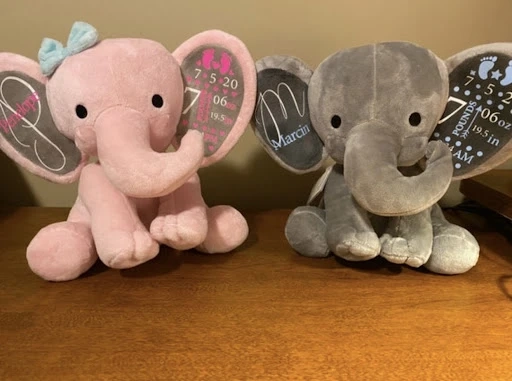
When a baby is born, everyone wants to give a gift that feels meaningful, not forgettable. I’ve been on both sides of that moment, buying baby gifts and receiving them. Over time, I realized that the gifts that last are not the most expensive ones, but the ones that feel personal. That is why monogrammed stuffed animals for babies continue to stand out as a timeless choice for parents, relatives, and friends.
In a world filled with mass-produced baby items, personalization creates emotional value. A stuffed animal with a baby’s name or initials becomes more than a toy. It becomes a comfort object, a memory keeper, and often a child’s first emotional companion. In this guide, I’ll break down why monogrammed stuffed animals for babies matter, the problems they solve, and how they have become a strong part of the baby gift market in the United States.
The Problem: Baby Gifts That Don’t Last or Matter
The baby gift industry in the United States is huge. According to Statista, Americans spend over $7 billion annually on baby gifts and infant-related products. Yet many of those gifts are used for only a few months and then forgotten. I’ve seen closets filled with unused baby blankets, clothes that never fit the season, and toys that never held a child’s interest.
The core problem is emotional disconnect. Many baby gifts serve a function but fail to create a bond. Babies grow quickly, and items without emotional value are often replaced just as fast. Parents may appreciate the gesture, but the gift does not become part of the child’s daily life.
This is where monogrammed stuffed animals for babies solve a real problem. Personalization adds meaning. When a baby sees or feels the same stuffed animal day after day, it becomes familiar. When parents see their child’s name stitched into it, the gift feels intentional rather than generic.
I remember receiving a standard plush toy at a baby shower and thinking it was cute but forgettable. Then someone gifted us a personalized stuffed animal with our baby’s name. Years later, that is the one we still have.
Agitating the Issue: Why Generic Gifts Miss the Emotional Mark
Generic gifts often lack staying power. From my experience talking to parents and small baby boutique owners, the most common complaint is that baby gifts do not feel special. They blend into the background.
Research from the Journal of Consumer Psychology shows that personalized products increase emotional attachment and perceived value. This applies strongly to baby items because parents associate them with milestones and memories. A stuffed animal without a name is just another object. A named one becomes part of a child’s identity.
In the US retail market, baby boutiques report higher repeat purchases for personalized items. A store owner in New Jersey shared that customers often come back to buy the same monogrammed stuffed animals for babies again when the original gets lost or worn. That does not happen with generic toys.
Another issue is gift competition. At baby showers, parents may receive multiple stuffed animals. Without personalization, most of them end up stored away. A monogrammed gift immediately stands out because it cannot be duplicated.
I’ve personally seen how parents gravitate toward personalized items during stressful moments, such as daycare drop-offs or travel. Familiarity reduces anxiety, and emotional attachment starts earlier than many people think.
Understanding Why Babies Bond With Personalized Comfort Objects
Babies begin forming emotional attachments within the first few months of life. According to the American Academy of Pediatrics, comfort objects help infants learn self-soothing skills, especially between six and eighteen months.
Monogrammed stuffed animals for babies play a unique role in this process. The baby may not read their name, but parents repeat it. The object becomes associated with warmth, safety, and routine. Over time, this repetition builds emotional recognition.
Touch is also critical. Soft textures activate calming responses in the nervous system. Studies published in Pediatrics show that gentle tactile stimulation lowers stress hormones in infants. A well-made stuffed animal supports this sensory need.
I noticed this with my own child. The personalized stuffed animal became part of bedtime routines, car rides, and even doctor visits. It was not about the stitching itself but the consistency and emotional meaning attached to it.
Some parents choose options like a monogrammed jellycat bunny because of the brand’s reputation for soft materials and safety standards. That combination of quality and personalization creates trust.
The Rise of Monogrammed Stuffed Animals in the USA Market
Personalized baby products have seen steady growth in the US. According to Grand View Research, the personalized gifts market is expected to grow at over 7% annually, with baby products being a major driver.
Small businesses across the country have built strong brands around monogrammed stuffed animals for babies. Etsy sellers, local embroidery shops, and boutique baby stores report that personalized plush toys are among their best-selling items.
A case study from a Texas-based baby gift company showed that personalized stuffed animals accounted for nearly 40% of their total sales within two years. Customers were willing to pay more for personalization because it felt meaningful and unique.
Larger brands have also noticed this trend. Collaborations featuring items like a monogrammed jellycat bunny are popular because they combine trusted design with personalization. Parents want both safety and emotional value.
From a business perspective, personalization reduces returns. A product made specifically for one baby is less likely to be returned, which benefits retailers and reinforces emotional commitment from buyers.
Why Monogrammed Stuffed Animals Make Better Keepsakes
A keepsake is something that survives beyond its original use. Many baby items do not qualify. Clothes are outgrown, bottles are replaced, and toys break. Monogrammed stuffed animals for babies often remain long after infancy.
I’ve spoken to parents who still have their child’s first personalized stuffed animal stored safely years later. Some plan to pass it down or keep it as a memory item. That long-term value is rare in baby products.
Psychologists note that objects tied to early memories help children feel continuity as they grow. Even if the stuffed animal is no longer used daily, its presence holds emotional significance.
The inclusion of personalization makes the item specific to that child’s story. A monogrammed jellycat bunny, for example, is not interchangeable with another toy. It represents a moment in time.
From my own perspective, these items also help parents emotionally. Looking at a personalized stuffed animal years later brings back memories of early days, sleepless nights, and first smiles.
Choosing the Right Monogrammed Stuffed Animal
Not all personalized stuffed animals are equal. Quality, safety, and design matter. In the United States, baby products must meet strict safety standards, including CPSIA compliance.
Parents should look for soft fabrics, secure stitching, and non-toxic materials. Personalization should be durable and placed where it will not irritate sensitive skin.
Brands offering monogrammed stuffed animals for babies often allow customization of font style and thread color. This adds flexibility while keeping the focus on the baby’s name.
I always recommend choosing neutral designs that grow with the child. While themed toys are fun, classic designs last longer emotionally. This is one reason why items like a monogrammed jellycat bunny remain popular.
The Solution: A Gift That Combines Meaning, Comfort, and Longevity
The solution to forgettable baby gifts is simple but powerful. Choose items that carry emotional weight. Monogrammed stuffed animals for babies solve the problem of generic gifting by adding identity, comfort, and long-term value.
They support emotional bonding, help with self-soothing, and become part of daily routines. They also stand out in a crowded gift market, making them ideal for baby showers, birthdays, and newborn celebrations.
From a business standpoint, personalized baby gifts continue to grow because they meet both emotional and practical needs. From a parent’s standpoint, they offer reassurance and memory.
I’ve seen firsthand how a personalized stuffed animal becomes a child’s constant companion. That is not something you can manufacture without intention.
Conclusion
Trends come and go, but emotional needs stay the same. Babies need comfort, familiarity, and connection. Parents want gifts that matter. Monogrammed stuffed animals for babies sit at the intersection of those needs.
They are not just toys. They are emotional anchors, keepsakes, and symbols of care. Whether it is a classic plush or a monogrammed jellycat bunny, the impact goes beyond the moment it is unwrapped.
From my own experience, the best gifts are the ones that grow with the child. Personalization turns a simple stuffed animal into something unforgettable. That is why monogrammed stuffed animals for babies remain a timeless gift in American families and will continue to do so for generations.