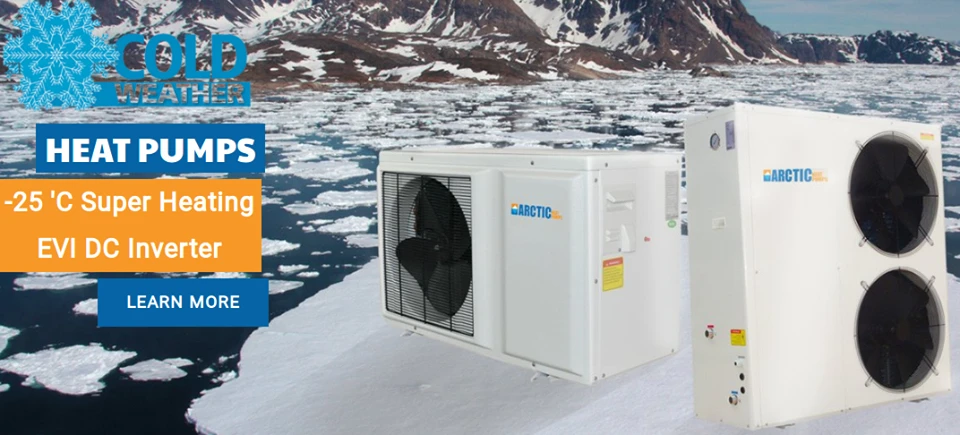
Heating a home in freezing temperatures requires technology that’s tough, efficient, and reliable. For homeowners in northern regions, heat pumps for cold climates are no longer a novelty — they’re a practical, high-efficiency alternative to traditional furnaces and boilers. In this in-depth guide, Arctic Heat Pumps explains how the best heat pumps for cold climates work, what features to look for, how to size and maintain them, and why choosing a cold-climate-rated system saves money and increases comfort.
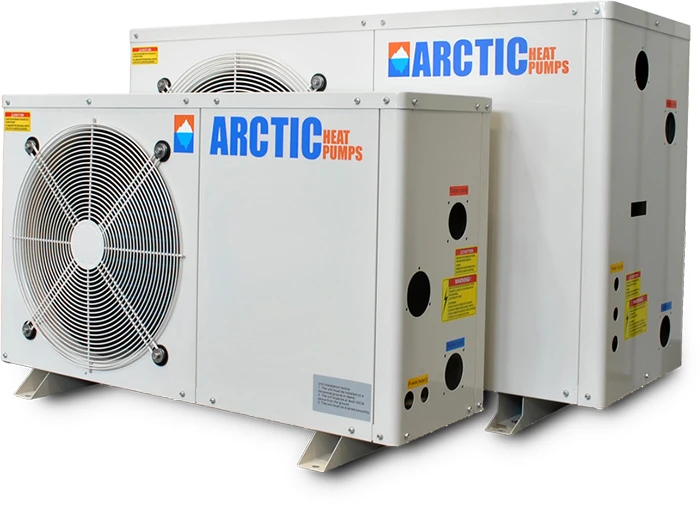
What Are Heat Pumps For Cold Climates?
A heat pump transfers heat from one place to another. In cold-climate models, specialized components and advanced refrigeration cycles allow the system to extract heat from outdoor air — even at sub-freezing temperatures — and deliver it indoors efficiently. Modern cold-climate heat pumps combine variable-speed compressors, enhanced refrigerants, improved heat exchangers, and intelligent defrosting to remain effective in climates where temperatures frequently drop below freezing.
Why Choose a Cold-Climate Heat Pump?
- Higher Efficiency in Low Temperatures: Unlike standard heat pumps that lose efficiency as temperatures fall, heat pumps engineered for cold climates maintain higher Coefficients of Performance (COP) down to much lower outdoor temperatures. That means more heat for less electricity.
- Lower Operating Costs: By replacing or supplementing electric resistance heating or fossil-fuel systems, cold-climate heat pumps reduce monthly energy bills — especially when paired with smart thermostats and proper insulation.
- All-in-One Heating & Cooling: These systems provide both heating in winter and efficient cooling in summer, consolidating HVAC needs into a single unit.
- Reduced Carbon Footprint: Since they rely on electricity and operate efficiently, cold-climate heat pumps can significantly lower greenhouse gas emissions — especially when paired with renewable electricity.
- Rebates & Incentives: Many regions now offer rebates, tax credits, or incentives for installing high-efficiency cold-climate heat pumps. That improves payback and reduces upfront costs.
Features to Look For — What Makes the Best Heat Pumps For Cold Climates
When evaluating models, prioritize these features:
- Cold-Climate Rating (HSPF / COP at Low Temp): Look for documented performance figures at low outdoor temperatures (e.g., COP at -15°C/5°F). Higher numbers indicate better low-temperature performance.
- Inverter/Variable-Speed Compressor: Provides precise heating, reduces short cycling, and improves part-load efficiency.
- Enhanced Defrost Controls: Smart defrost algorithms minimize efficiency losses during ice removal.
- Low-Temperature Refrigerants: Some systems use refrigerants optimized for cold performance and safety.
- Robust Heat Exchangers: Larger or microchannel coils resist frost and transfer heat more effectively.
- Quiet Operation & Low Vibration: Important for residential comfort, especially with outdoor units near living spaces.
- Integrated Controls & Connectivity: Wi-Fi thermostats, zoning compatibility, and remote diagnostics add convenience and efficiency.
- Durability & Warranty: Look for extended warranties on compressors and parts — a sign of manufacturer confidence.
Sizing & Selection Tips
Choosing the right sized unit is crucial:
- Perform a Heat Load Calculation: Don’t rely solely on square footage. A Manual J heat load (or equivalent) is the best way to determine the correct capacity considering insulation, windows, orientation, and local climate.
- Avoid Oversizing: Oversized units cycle frequently, increasing wear and reducing dehumidification and comfort.
- Consider Zoning: Multiple smaller units or multi-split systems often deliver superior comfort across varied rooms.
- Backup & Hybrid Options: In extremely cold regions, pairing a cold-climate heat pump with a backup boiler or electric resistance strips can be wise. However, high-quality cold-climate units often operate effectively down to -20°C/-4°F and lower without frequent backup use.
Installation Best Practices
- Professional Installer: Use a certified HVAC contractor experienced with cold-climate heat pumps.
- Optimal Outdoor Unit Placement: Elevate the outdoor unit, keep airflow clear of snow drifts, and allow service access.
- Proper Refrigerant Charge & Commissioning: Ensures peak performance and long life.
- Correct Duct Design: For ducted systems, minimize leaks and balance airflow. For ductless systems, place heads for even distribution.
- Electrical & Structural Considerations: Ensure the home’s electrical panel supports the new load and the mounting pad is secure.
Maintenance for Longevity & Efficiency
Regular maintenance preserves efficiency and prevents breakdowns:
- Change/clean filters monthly during heavy use.
- Clear snow and debris around outdoor units.
- Annual professional checkups: refrigerant levels, defrost operation, compressor health.
- Keep coils clean and maintain airflow.
- Check condensate drains and drain pans for blockages.
Cost & Payback
Initial cost depends on capacity, model, and installation complexity. While high-performance cold-climate heat pumps can have higher upfront costs than basic units, energy savings and incentives often produce a compelling payback period — typically 3–10 years depending on fuel costs, local incentives, and usage patterns. Many homeowners find total lifecycle costs lower compared to fossil fuel heating systems.
Comparing Types: Air-Source vs. Cold-Climate Optimized
- Standard Air-Source Heat Pumps: Best for mild climates; efficiency declines significantly in deep cold.
- Cold-Climate Heat Pumps: Engineered specifically to preserve efficiency and capacity in low temperatures using advanced compressors, controls, and coils.
- Geothermal (Ground-Source): Highly efficient and stable year-round but more expensive to install; good where ground loops are feasible.
- Hybrid Systems: Combine a cold-climate heat pump with a high-efficiency furnace or boiler for the coldest days.
Why Arctic Heat Pumps?
At Arctic Heat Pumps we specialize in designing and supplying systems tailored for severe winters. Our products emphasize:
- Proven low-temperature performance and manufacturer-backed test data.
- Variable-speed compressors and advanced defrost strategies.
- Durable construction, long warranties, and support across installation and maintenance.
- Guidance for incentives and rebates in many regions.
Choosing Arctic Heat Pumps means choosing equipment and expertise built for colder climates — maximizing comfort, reliability, and energy savings.
Real-World Example
A 2,200 sq. ft. home in a northern climate replaced an aging electric resistance system with a properly sized Arctic cold-climate heat pump. After installation and air-sealing improvements, the homeowner reported a 40% reduction in winter electric consumption and a more even indoor temperature. Payback, including available rebates, was achieved in under 6 years.
FAQs
Q: Can heat pumps really work in very cold climates?
A: Yes. Modern cold-climate heat pumps maintain efficient operation at temperatures well below freezing. Look for units with documented low-temperature COPs.
Q: Do I still need a backup heater?
A: It depends on your local climate and comfort needs. Many cold-climate heat pumps remove the need for frequent backups, but some homeowners keep a small backup for extremes.
Q: How long do heat pumps last?
A: With proper maintenance, most high-quality heat pumps last 15–20 years. Cold-climate units with strong warranties and professional service can meet or exceed this.
Q: Are there government rebates for installing cold-climate heat pumps?
A: Often yes — many jurisdictions and utilities offer incentives for high-efficiency heat pumps. Check local programs and Arctic Heat Pumps’ rebate assistance resources.
Q: How noisy are modern cold-climate heat pumps?
A: Many models are engineered for quiet operation. Variable-speed compressors and improved fan designs reduce noise compared to older models.
Q: Can I install a heat pump myself?
A: No — professional installation ensures proper refrigerant charge, electrical safety, and system commissioning. DIY installation may void warranties.
Conclusion
For homeowners dealing with long, cold winters, heat pumps for cold climates offer a transformative upgrade — combining energy efficiency, year-round comfort, and lower emissions. When you choose the best heat pumps for cold climates, like the systems and support offered by Arctic Heat Pumps, you get proven low-temperature performance, long-term savings, and reliable warmth through the chilliest days. If you’re considering a heating upgrade, get a professional heat load assessment and explore cold-climate options — your next winter could be warmer and cheaper.