



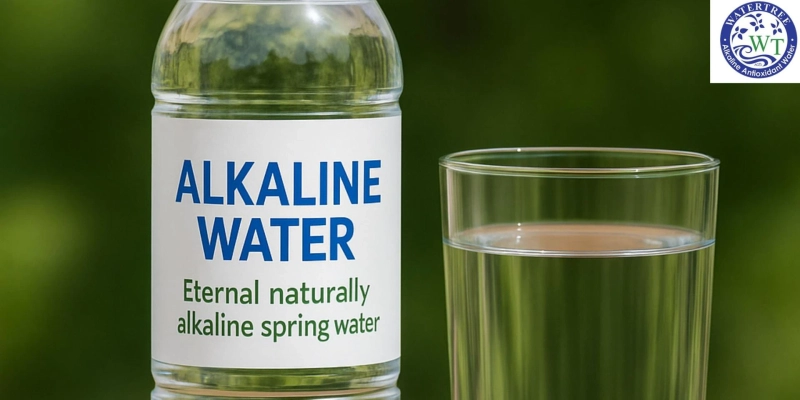
Clean, safe, and great-tasting water is essential for a healthy lifestyle. A ceramic water filter system is one of the most reliable and eco-friendly ways to ensure your household has access to pure water every day. Unlike many modern filtration technologies that rely heavily on chemicals or plastics, ceramic filtration uses a natural approach that has been trusted for generations.
In this guide, we’ll explore how these systems work, their benefits, and why pairing them with alkaline water solutions can take your hydration to the next level.
What Is a Ceramic Water Filter System?
A ceramic water filter system is a filtration method that uses porous ceramic material to physically block contaminants from passing through. The ceramic surface contains thousands of tiny pores, typically around 0.5 microns in size, which allows water to pass while trapping bacteria, sediments, and other impurities.
Many models also incorporate additional filtration layers—such as activated carbon or silver-impregnated ceramics—for extra protection against odors, tastes, and microbial growth.
How Does It Work?
The process is simple yet highly effective:
- Water enters the filter chamber — This could be tap water, rainwater, or well water.
- Ceramic layer traps particles — Dirt, rust, and harmful microorganisms are caught in the tiny pores.
- Optional secondary filtration — Additional layers like activated carbon remove chlorine, chemicals, and bad tastes.
- Clean water flows out — The result is fresh, safe, and great-tasting water ready to drink.
Benefits of a Ceramic Water Filter System
A ceramic water filter system offers several unique advantages that make it an excellent choice for homes, offices, and even remote areas:
- Exceptional Microbial Protection
- Blocks bacteria like E. coli and Salmonella.
- Reduces cysts such as Giardia and Cryptosporidium.
- Long-Lasting & Reusable
- Can be cleaned and reused multiple times, reducing waste.
- Extended lifespan compared to disposable filters.
- Eco-Friendly Solution
- Made from natural materials.
- No harmful chemicals or heavy metals leach into the water.
- Cost-Effective in the Long Run
- Fewer replacements needed.
- Saves money on bottled water.
- Retains Essential Minerals
- Removes harmful contaminants while keeping beneficial minerals intact.
Ceramic vs. Other Filtration Methods
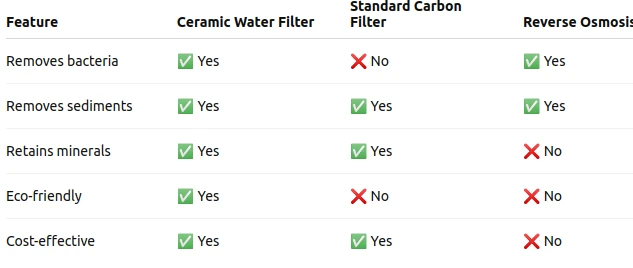
Ceramic filtration stands out for its balance between efficiency, eco-friendliness, and affordability.
Pairing with Alkaline Water Solutions
While a ceramic water filter system ensures purity, alkaline water solutions take hydration a step further by balancing your body’s pH levels. Drinking alkaline water can:
- Neutralize excess acidity in the body.
- Support better hydration through smaller water molecule clusters.
- Provide essential minerals like calcium, magnesium, and potassium.
By combining ceramic filtration with alkaline water solutions, you get both safety and health-enhancing properties in your daily water supply.
Why Choose a Ceramic Water Filter System?
Here’s why this type of filtration is worth considering:
- Safe and Reliable — Protects against harmful contaminants without altering water chemistry drastically.
- Simple Maintenance — Just scrub the ceramic surface to remove build-up and restore flow.
- Versatile Use — Works in urban homes, rural areas, and even emergency situations.
- No Power Required — Many models are gravity-fed, making them ideal for off-grid use.
Tips for Maintaining Your Ceramic Water Filter System
To ensure your ceramic water filter system continues to perform optimally:
- Regular Cleaning — Use a soft brush or sponge to clean the ceramic surface every few weeks.
- Avoid Harsh Chemicals — Stick to gentle cleaning methods to protect the ceramic pores.
- Replace When Necessary — Follow manufacturer guidelines for filter lifespan.
- Store Properly — If not in use, keep the filter dry and free from dust.
Environmental and Health Benefits
- Reduces Plastic Waste — Less dependency on bottled water.
- Lower Carbon Footprint — Minimal manufacturing and transport impact compared to disposable filters.
- Chemical-Free Filtration — Uses natural materials, making it safer for the environment and your body.
FAQ: Ceramic Water Filter System
Q1. What does a ceramic water filter system remove?
A ceramic filter removes bacteria, sediments, and certain parasites while retaining beneficial minerals in the water. Some models also reduce chlorine, chemicals, and bad odors with additional filter layers.
Q2. How long does a ceramic water filter last?
With proper cleaning and maintenance, a ceramic water filter can last several months to a few years before needing replacement, depending on usage and water quality.
Q3. Do ceramic water filters make water alkaline?
On their own, ceramic filters do not change the pH of water. However, when paired with alkaline water solutions, they can help provide water with a higher pH and added minerals.
Q4. How often should I clean my ceramic water filter?
It’s best to clean the filter every few weeks or whenever water flow slows down, ensuring optimal filtration performance.
Q5. Are ceramic water filters safe?
Yes, they are safe, eco-friendly, and chemical-free. They have been used for decades to provide clean and safe drinking water worldwide.