



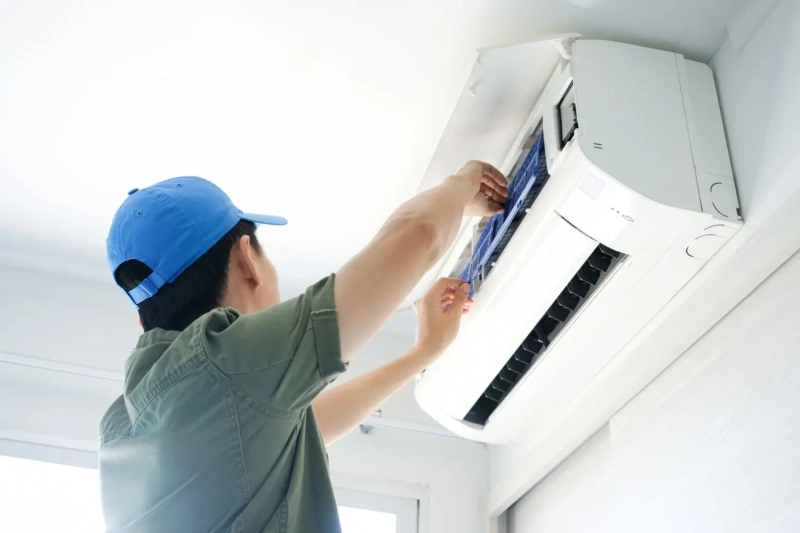
Keeping your air conditioner in peak condition isn’t just about comfort—it’s about reliability, efficiency, and extending the life of an expensive appliance. As a technician who’s serviced hundreds of ACs across seasons, I’ve seen first hand how regular maintenance can prevent major issues, save on energy bills, and ensure cool, clean air when you need it most.
Here’s my 10-point ultimate AC maintenance checklist, broken down with clear explanations and a technician’s insight.
1. Start with Safety First
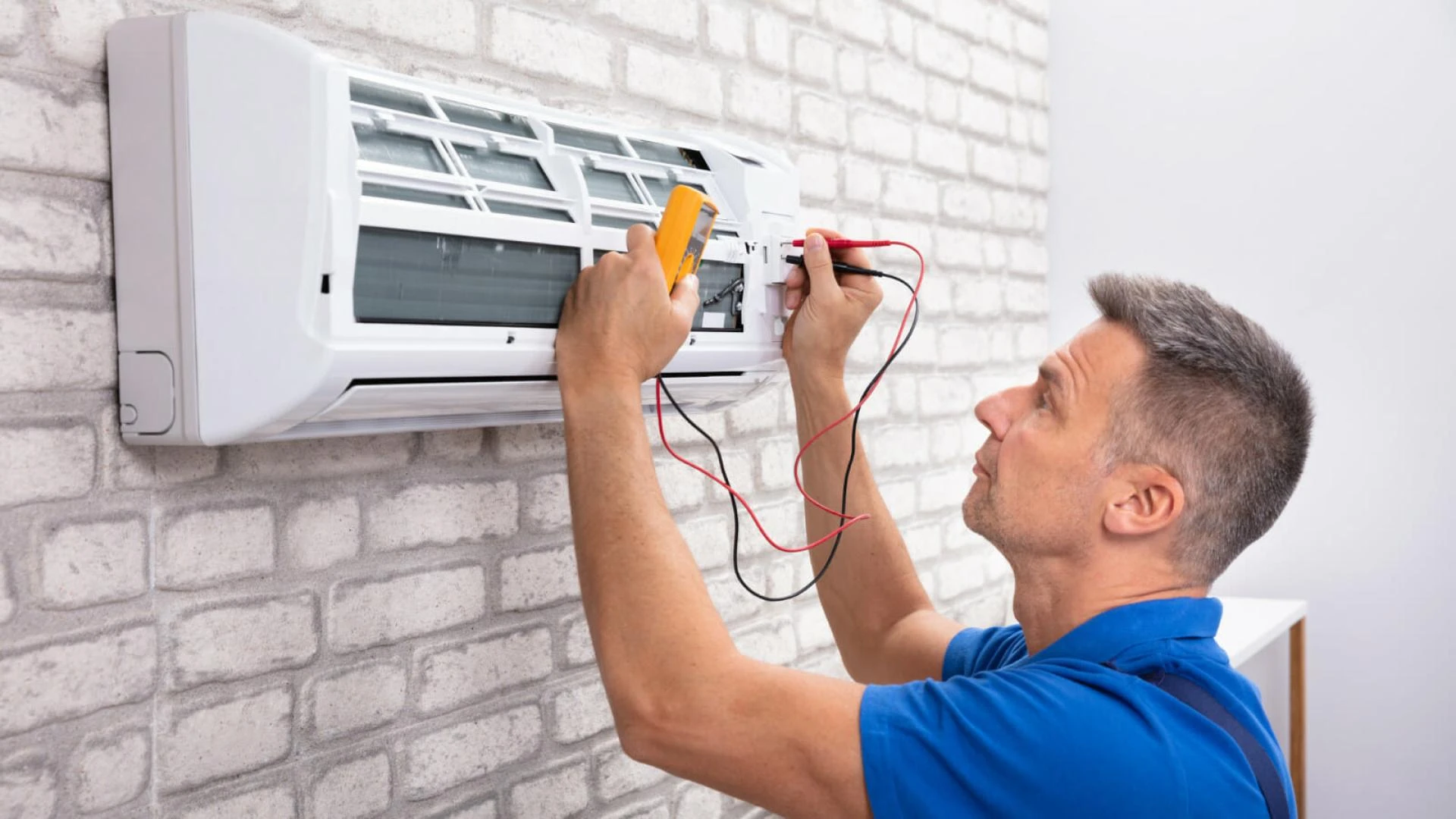
Before anything else, safety must be your top priority. Always turn off the power supply to the AC unit before opening or servicing it. I personally never begin work without using insulated tools and wearing protective gloves, especially when handling wiring or sharp fins.
Whether you're a DIY enthusiast or a homeowner doing basic cleaning, don’t underestimate the risks—electric shocks, sharp components, or refrigerant leaks can all pose serious hazards.
2. Indoor Unit Deep Cleaning
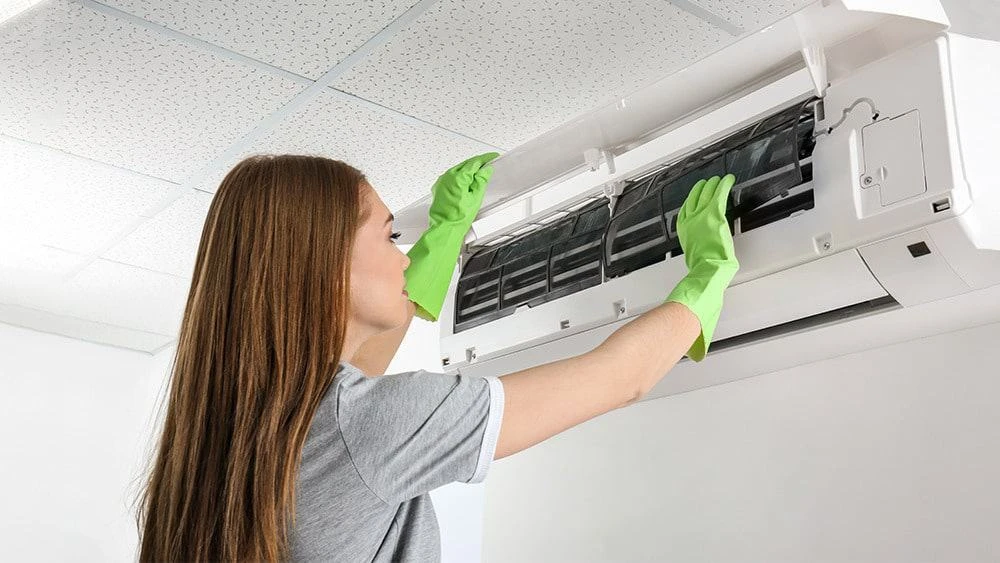
The indoor unit of your AC is where most of the visible dirt and dust accumulates, and this directly affects performance and air quality. Every servicing session should include:
- Air Filters: These are like the lungs of your AC. A dirty filter restricts airflow, increases energy consumption, and lowers indoor air quality. Clean every 30–45 days, especially during peak usage.
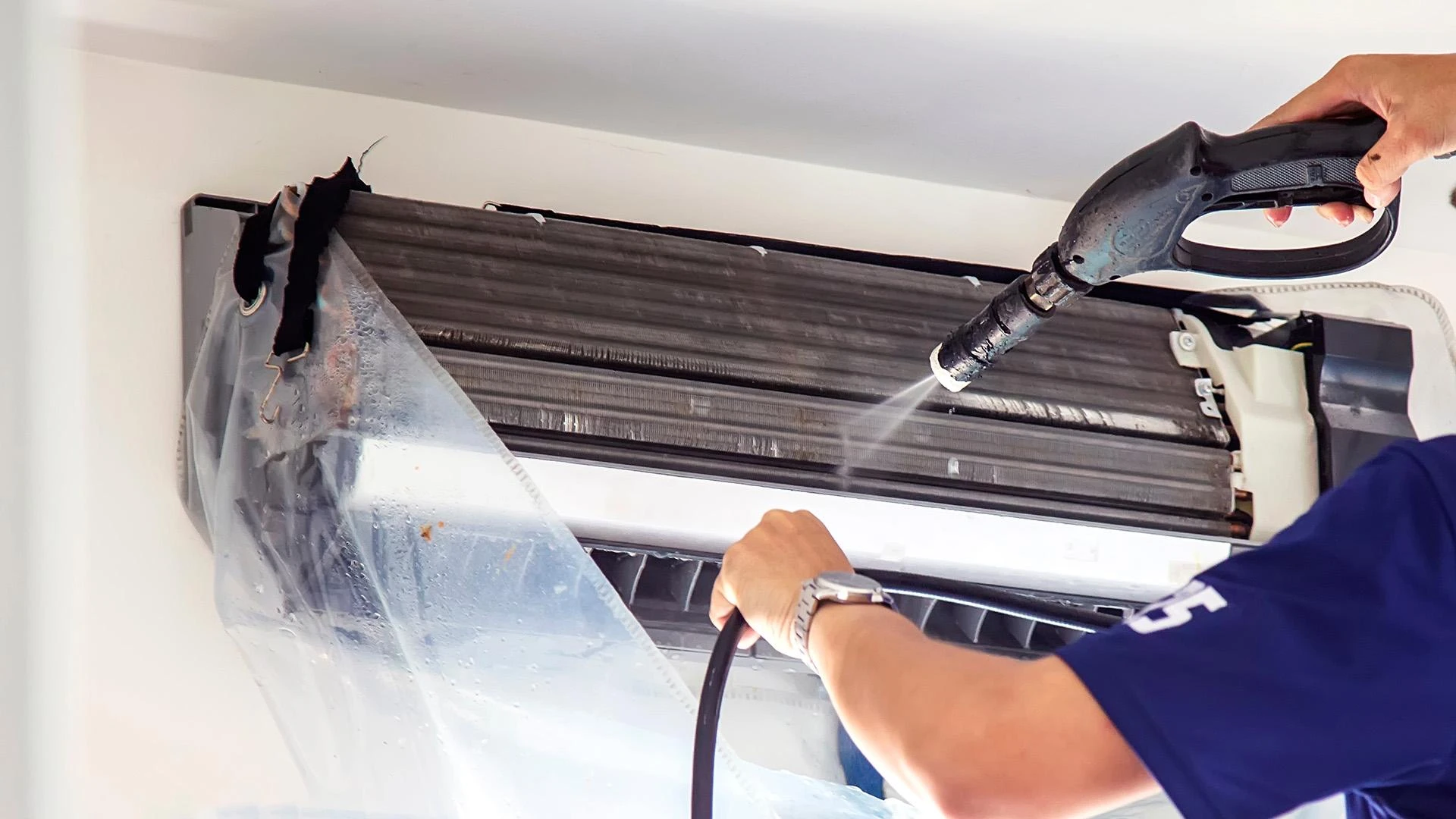
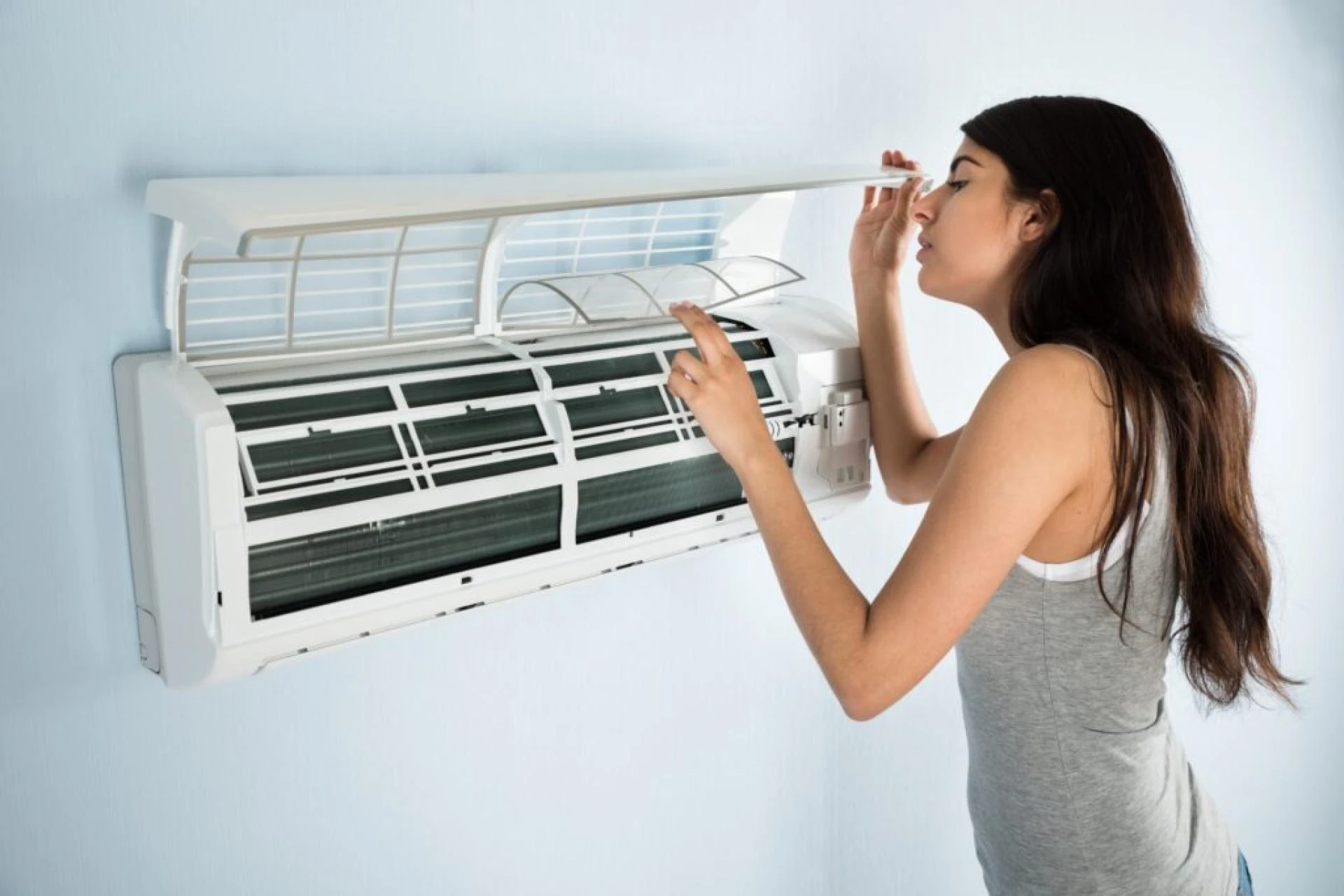
- Evaporator Coils & Fins: Dust accumulation blocks heat exchange. I use a foam coil cleaner or a soft brush to clean these delicate parts.
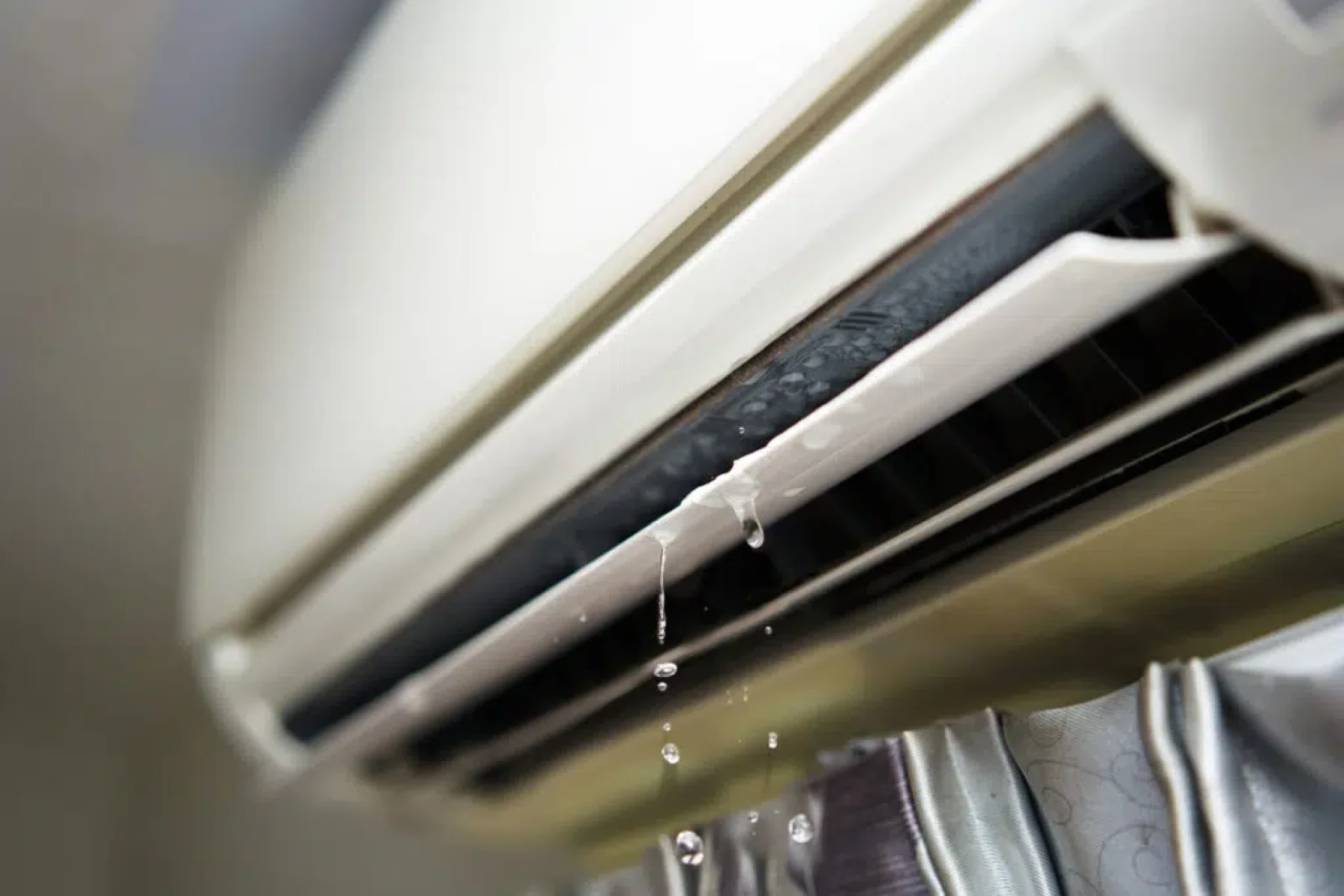
- Drain Tray & Pipe: If water is dripping indoors, it’s often due to a clogged drain pipe. Flush the pipe with pressure or mild cleaning solution regularly.
- Fan Blades & Housing: Dirt on the blower fan reduces efficiency and can cause a humming sound. Gentle cleaning here restores smooth airflow.
- Mold and Mildew Check: Especially after the monsoon, inspect for signs of mold on coils and inside the housing. Treat with anti-fungal spray if needed.
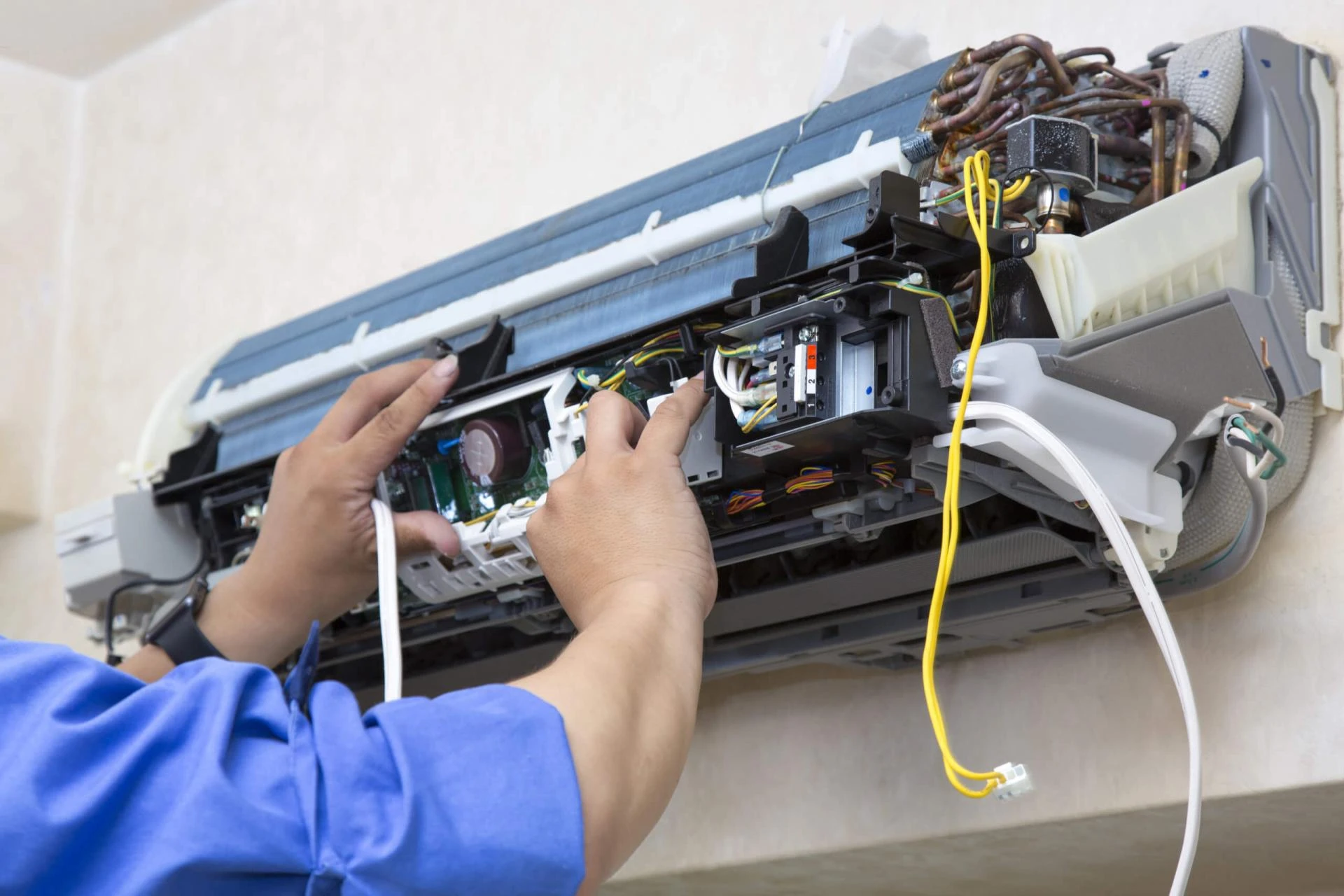
3. Inspect All Electrical Components
Many AC breakdowns I fix are due to faulty or loose electrical parts. Don’t skip this step:
- Check all wire terminals—loose connections can burn out components.
- Inspect the capacitor for swelling or leakage.
- Examine the PCB (Printed Circuit Board) for burnt spots, rust, or loose solder joints.
- Ensure thermostats and sensors are aligned and responsive.
Even a small fault in these areas can lead to the unit not turning on, tripping the circuit, or failing to cool.
4. Don’t Neglect the Outdoor Unit
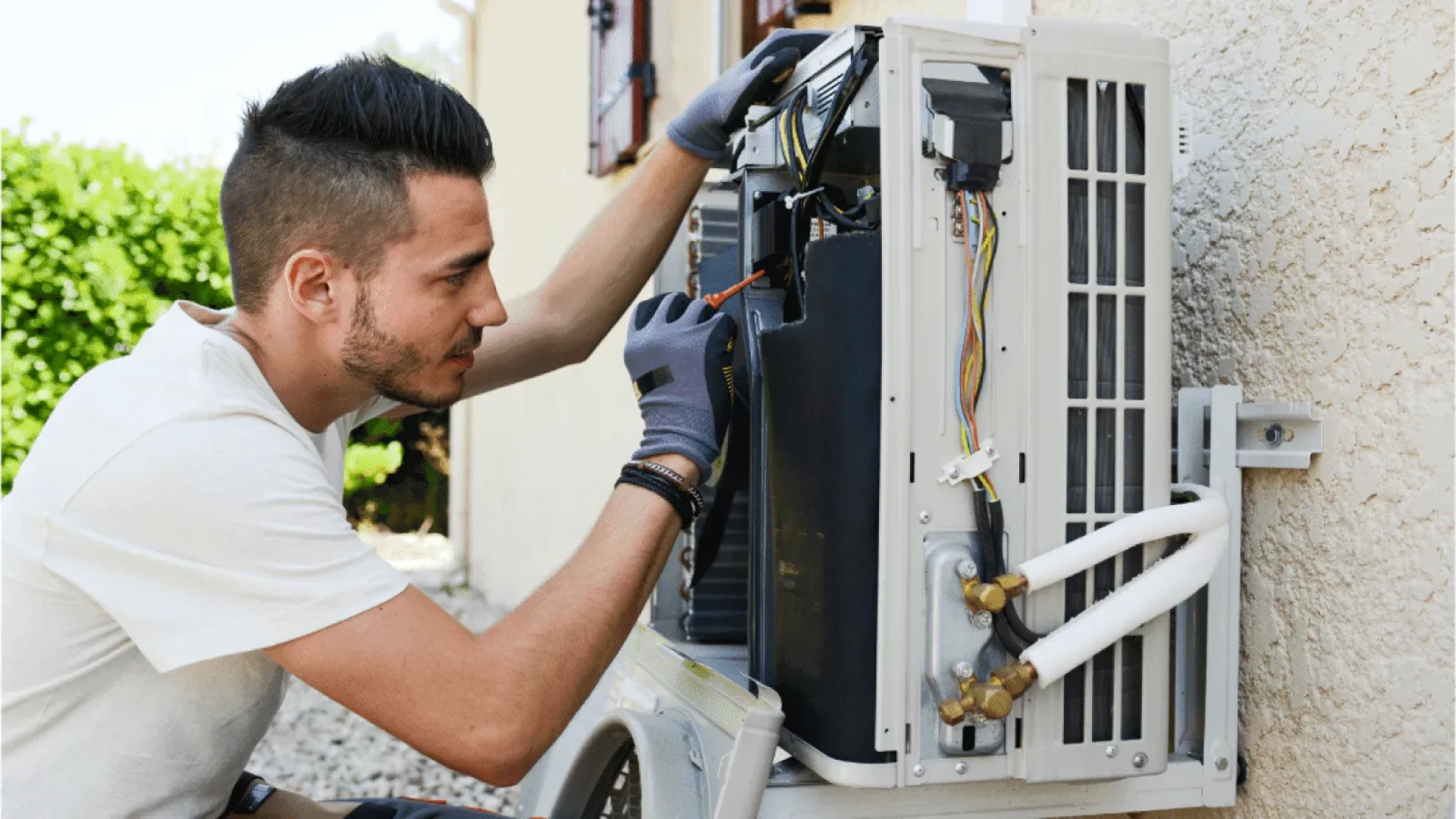
Most homeowners clean the indoor unit and forget the outdoor one—which does most of the hard work. Here’s what I focus on during every visit:
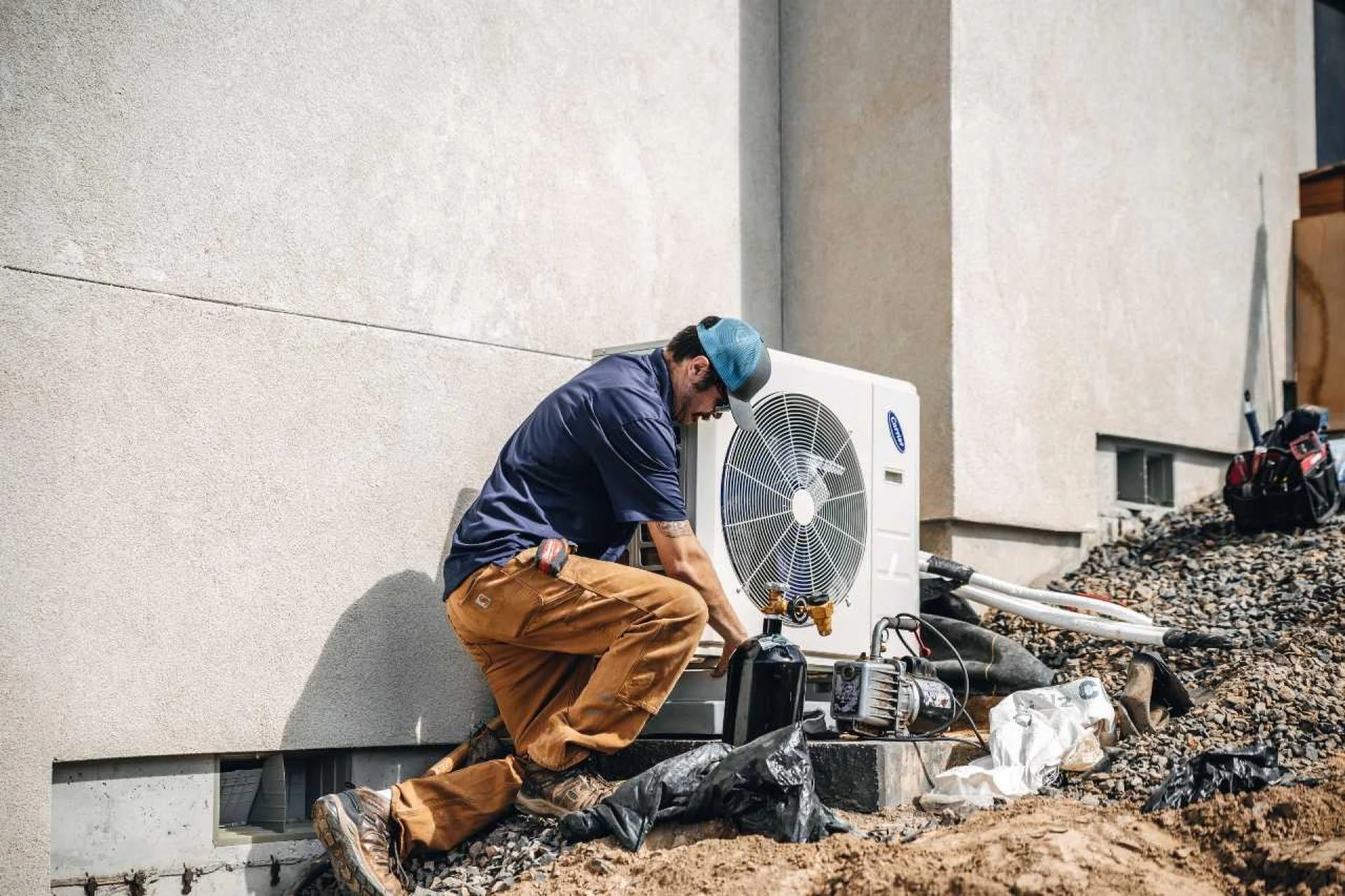
- Condenser Coil Cleaning: This helps your system release heat efficiently. I use a coil cleaner or hose to wash away debris, and a comb to straighten bent fins.
- Fan Motor and Blades: These need to be damage-free and dust-free for smooth airflow.
- Clear the Surroundings: Remove leaves, plastic, or any debris within 2 feet of the unit. Obstructions can affect performance and cause overheating.
- Check Insulation on Refrigerant Pipes: Worn insulation around pipes reduces energy efficiency. Replacing it is cheap but makes a big difference.
5. Check Refrigerant Levels and Look for Leaks
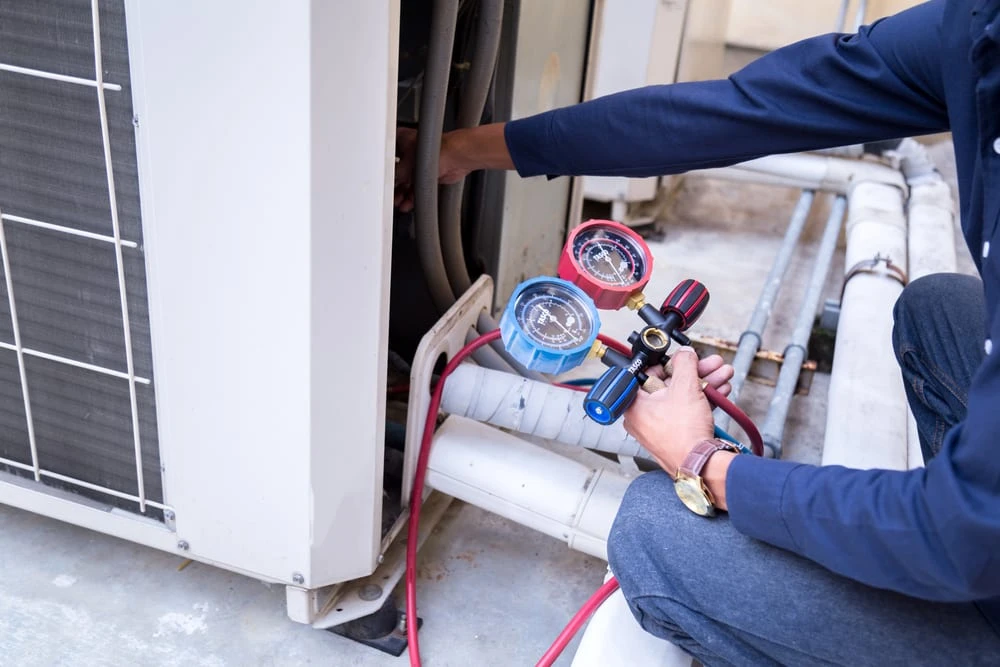
Refrigerant (often mistakenly called “gas”) doesn’t deplete over time unless there’s a leak. I always:
- Use a gauge set to check suction and discharge pressure.
- Use a leak detector or soap solution to pinpoint any leak locations.
- Only recharge refrigerant after fixing leaks—never top up blindly.
Skipping leak repair can result in repeated failures, poor cooling, and damage to the compressor over time.
6. Measure Overall System Performance
An experienced technician doesn’t stop at cleaning—performance testing is crucial:
- Measure the temperature difference between the air coming into and out of the indoor unit. A healthy AC should give a difference (ΔT) of 16–20°C.
- Listen for unusual noises like rattling, buzzing, or humming. These often hint at worn bearings, loose panels, or fan imbalance.
- Check for any vibrations, especially in the outdoor unit. Ignoring these can lead to major breakdowns.
7. Inspect the Water Drainage System
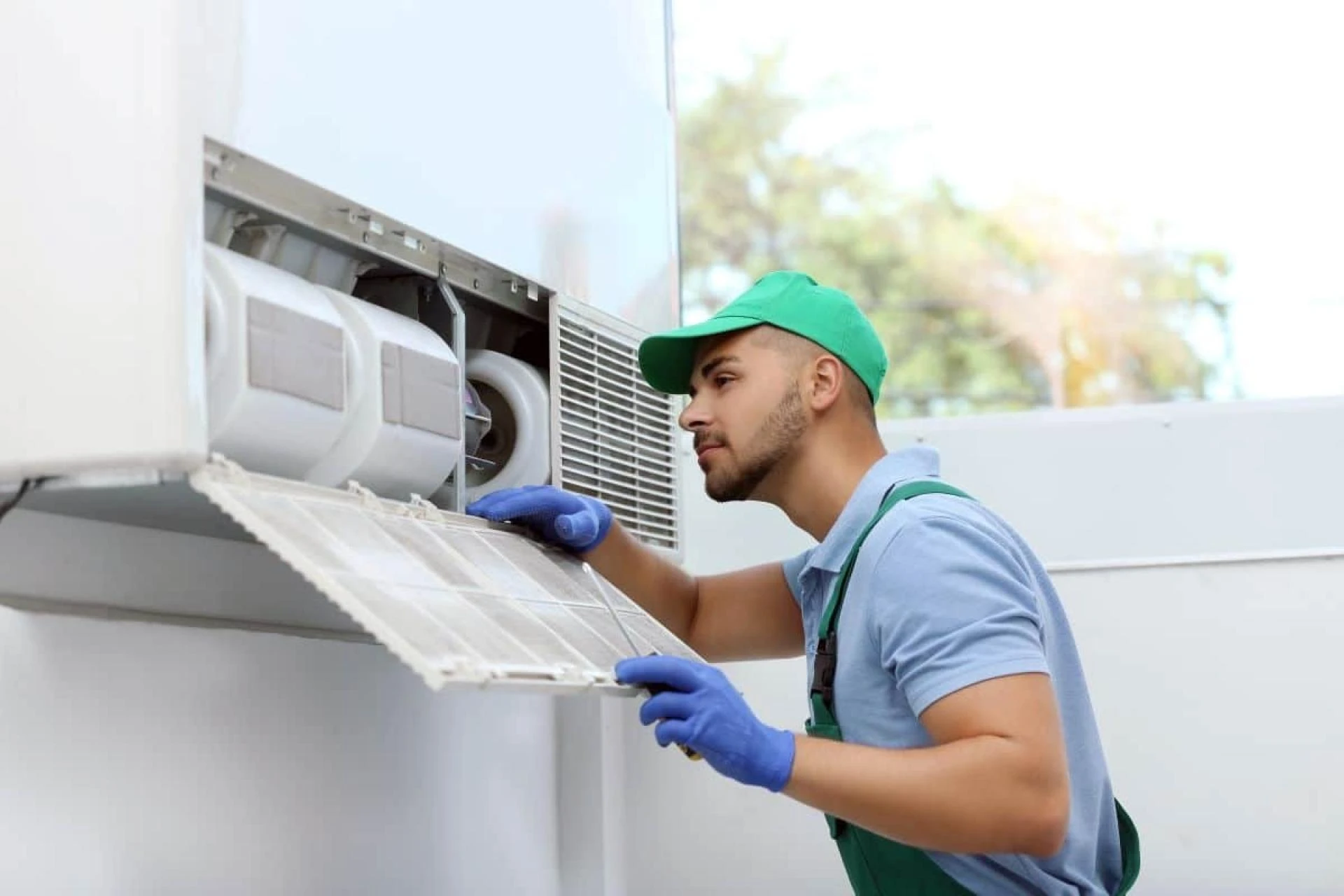
Proper drainage ensures there’s no indoor water leakage or mold buildup. During every inspection, I:
- Look for cracks or rust in the drainage tray or pipe.
- Flush the drain line to remove blockages.
- If your unit has a condensate pump, I test its functionality—especially in high-humidity areas.
Water pooling indoors is often due to clogged or broken drainage, and fixing this early saves both walls and wallet.
8. Adjust for the Seasons
Seasonal AC usage varies, and so should your maintenance approach:
- Pre-Summer: Schedule a full service with filter cleaning, gas check, and airflow testing. Replace worn insulation and check for rust.
- Post-Monsoon: Focus on anti-fungal treatments, drain cleaning, and electrical inspection—moisture can silently corrode parts.
- Pre-Winter: Deep clean, cover the outdoor unit, and protect components from dust and moisture buildup.
This proactive approach ensures your AC is ready for every season without surprises.
9. Know When to Call the Pros
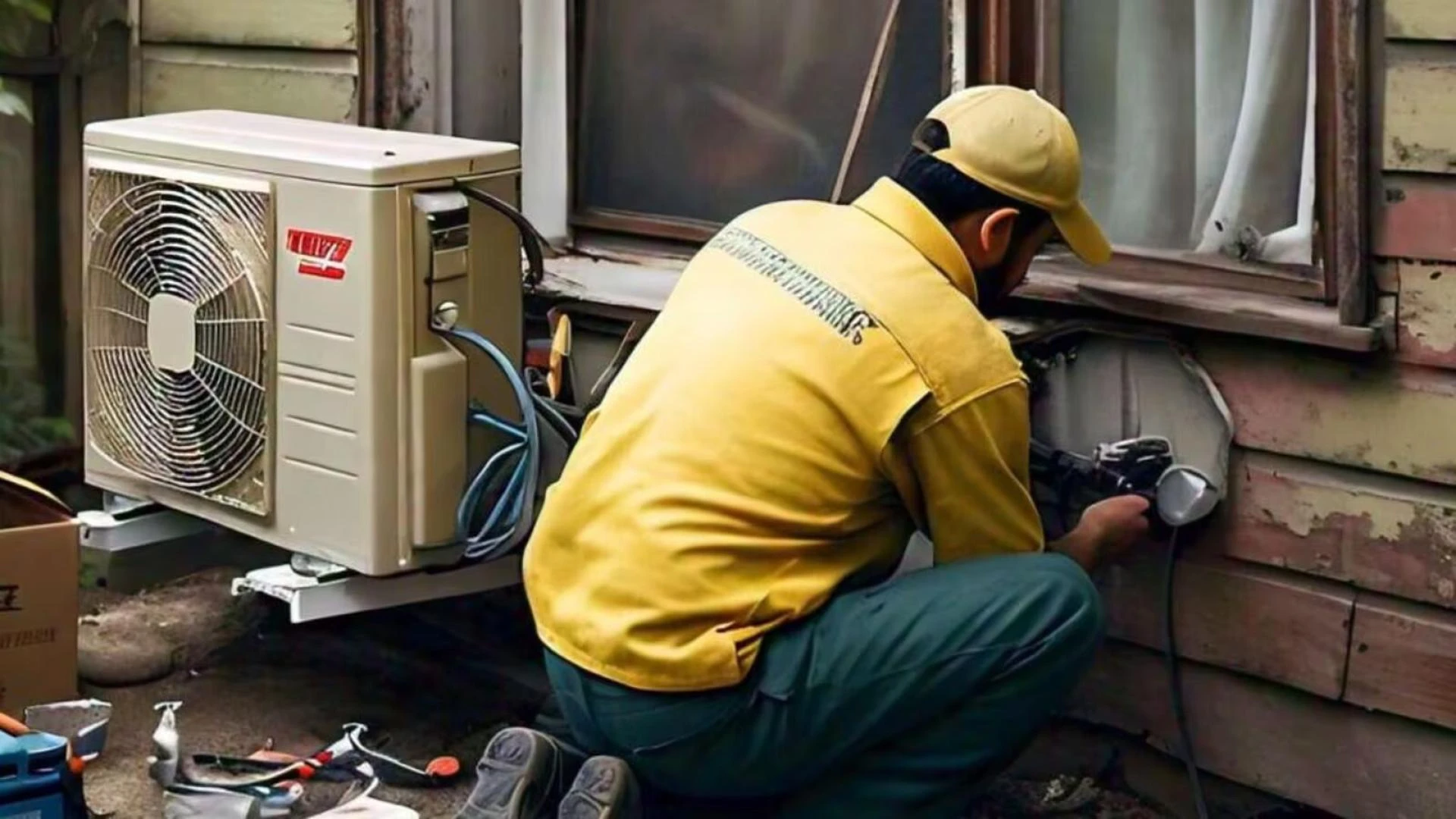
Not everything should be DIY. Here’s my recommendation on when to call a technician:
- Monthly: Basic air filter cleaning and drain check.
- Every 6 Months: Full professional service including coils, fan, and performance testing.
- Annually: A technician visit for gas level checks, leak detection, and a detailed compressor health inspection.
Professional maintenance catches what the eye misses and prevents high repair costs down the line.
10. Final Thoughts: AC Care Is Peace of Mind
Treat your air conditioner like any essential appliance—it needs consistent care. Regular maintenance not only keeps your room cool but also:
- Saves money on energy bills
- Improves indoor air quality
- Prevents costly breakdowns
- Prolongs the life of your investment
A well-maintained AC offers comfort, clean air, and reliable performance, year after year.
Conclusion:
Don't wait for your AC to break down in the middle of a heatwave. By following this step-by-step checklist, you’ll keep your system efficient, safe, and ready to handle any season. A little preventive care today saves you stress and expense tomorrow.
Let your AC work smarter—not harder!