



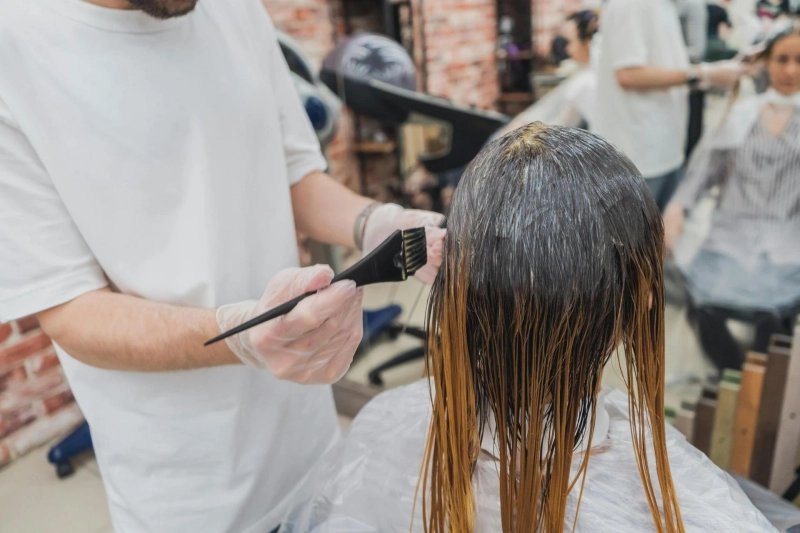
California has long led the nation in championing consumer safety, environmental responsibility, and clean beauty standards. That commitment was reaffirmed in 2020 when Governor Gavin Newsom ratified the groundbreaking law banning 24 toxic chemicals from cosmetics—components known to cause cancer, disrupt hormones, and harm reproductive health. While this is a big progress, one major category remains alarmingly underregulated: hair dyes.
Millions of Americans, including those in California, frequently utilize these products, often with little to no warning of their health risks. State lawmakers must revisit the regulatory gap surrounding hair dyes and take decisive action to eliminate toxic ingredients that continue to jeopardize public health.
Toxic Exposure in Hair Products
Despite its link with serious health issues, hair dye remains one of the market's least regulated personal care products. The Food and Drug Administration (FDA) has acknowledged that many of these products do not require approval before they are sold. This process overlooks the fact that they may contain potentially harmful substances, such as paraphenylenediamine (PPD) and other aromatic amines, typically used as dye intermediates in early permanent hair dye formulations. Other concerning ingredients also include ammonia, lead acetates, and hydrogen peroxide—chemicals that can trigger allergic reactions in susceptible individuals. Unfortunately, such an oversight has led to prolonged and unsafe exposure for users.
A meta-analysis of 42 studies revealed that hairdressers are likely to get bladder cancer the longer they stay in their jobs. Consumers also confront the same hazards, as they become more vulnerable to uterine and breast cancers and ovarian tumors. Additionally, a 2019 study found a 45% increased risk of breast cancer in black women and a 7% increased risk in their white counterparts using permanent dyes.
Besides hair dyes, other hair products have also been associated with health problems. A 2024 report uncovered alarming levels of carcinogens, lead, and volatile organic compounds in synthetic braiding hair produced by several famous brands nationwide. Meanwhile, environmental issues have emerged, with cosmetic residues contaminating water sources after being indiscriminately discarded in sewage systems. As these substances are persistent and bioactive, they pose long-term risks to aquatic ecosystems.
California Must Act on Hair Dye
The health and environmental hazards of hair dyes have been a long-standing concern, yet meaningful regulatory action has been slow. The most significant update to cosmetic regulations established in 1938 came with the passage of the Modernization of Cosmetics Regulation Act (MoCRA) in December 2022. Although this measure enhances safety standards and grants authorities greater oversight, it is insufficient in addressing the safety and transparency issues of personal care products. The European Union has banned over 2.500 harmful ingredients from personal care products, yet the US restricts just eleven. Lawmakers have already proposed amending cosmetic regulations with the Toxic-Free Beauty Act of 2023, yet this initiative has remained stalled in Congress, delaying the needed reform.
California, however, is well-positioned to lead. State lawmakers must build on the 2020 legislation by expanding the list of prohibited substances to include those usually found in hair dyes, such as ammonia, resorcinol, or toluene-2,5-diamine —a PPD-related chemical also linked to allergy and potential mutagenicity. The law must also require full transparency of ingredients and support the development of plant-based alternatives to address public health risks and environmental impacts caused by these products. California has already set a national precedent in clean beauty reform. It must do so again by confronting the overlooked dangers of hair dye and other synthetic hair products.
About the Author
Rachel Koren is the CEO of Cashmere Hair. Based in San Marcos, California, it is a leading brand in ethically sourced and toxin-free premium hair extensions.