



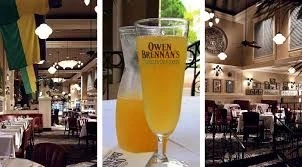
Why Cajun & Creole Food Still Captivates
Cajun and Creole cuisines feel like warm conversations — bold, layered, and never shy. At the core of both is a celebration of simple ingredients amplified by technique: slow-simmered stocks, smoky-and-spicy rubs, and savory sofrito-like bases. That’s why a cajun restaurant in new orleans doesn’t just sell food — it sells a story.
Flavor foundations
Think of roux as the spine: toasted, fragrant, and foundational. Add seafood, and you’ve got the ocean’s voice; add andouille and there’s a smoky drumbeat. These building blocks keep diners coming back, bite after bite.
Cultural story
Cajun and Creole are cultural quilts — Acadian, African, French, Spanish threads woven together. That history gives the cuisine emotional weight, which you taste in every gumbo ladle and po’boy.
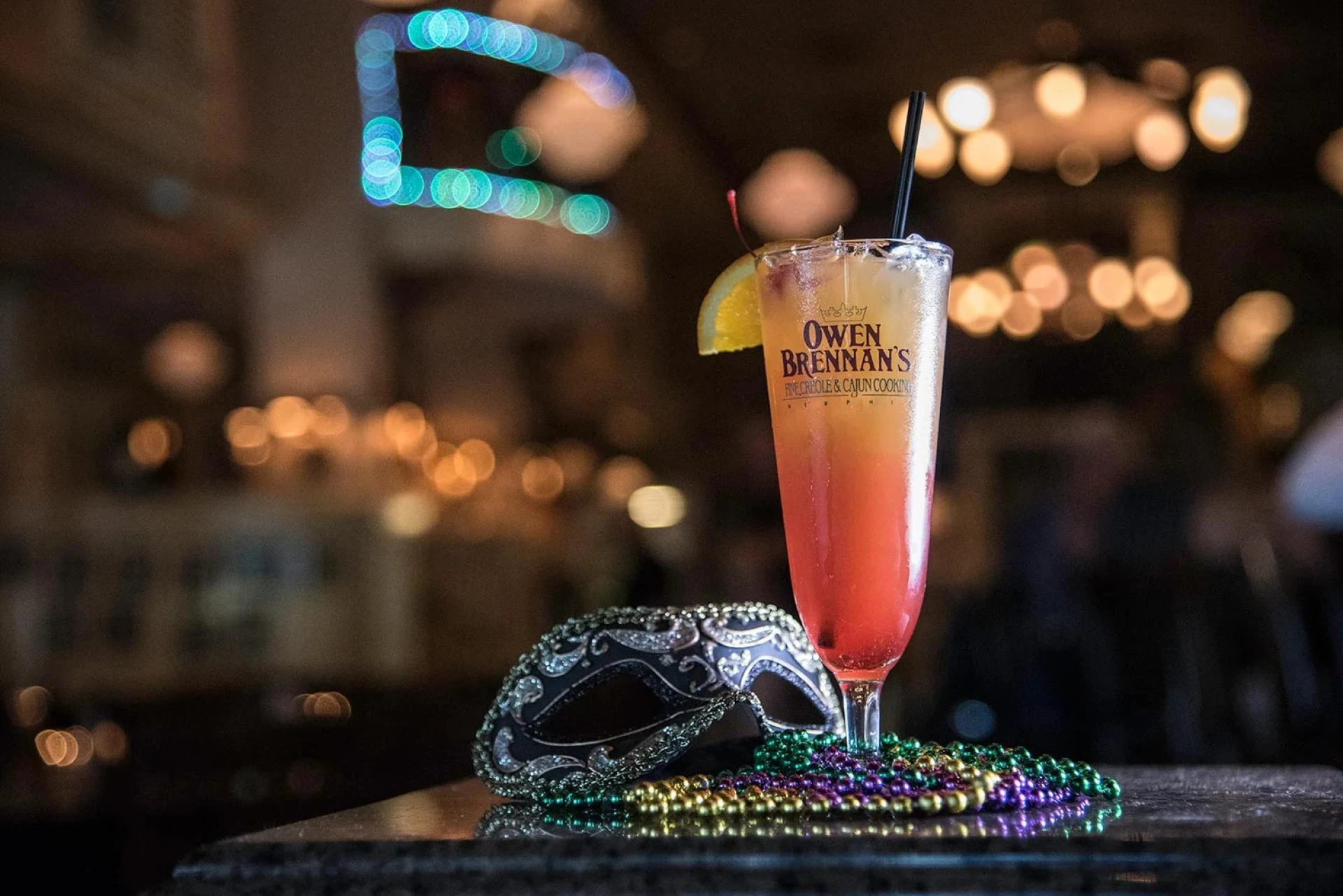
What Makes a Great Cajun Restaurant in New Orleans
Fresh ingredients and spice balance
Authenticity depends on freshness. Local seafood, bright herbs, and a careful hand with cayenne separate memorable gumbo from forgettable stew.
Atmosphere and authenticity
A restaurant that feels like New Orleans will have lively music, warm lighting, and staff who can tell a story about the dish. Patrons don’t just want food; they want a mini-escape.
Bringing Creole to Memphis: Creole Restaurant Memphis
How Memphis plates a New Orleans classic
Memphis chefs love to honor tradition while adding Southern riffs — maybe a smoked brisket po’boy or Creole-spiced ribs. Local produce and barbecue techniques blend with Creole sauces to create unique mashups.
Local twists that work
Substituting local catfish for Gulf shrimp, or pairing Creole gravy with Memphis-style sides, gives diners comfort plus surprise — a recipe for repeat visits.
Hosting Events: Restaurant Party Rooms That Shine
Choosing the right room
Whether you need an intimate corner for 12 or a full private dining hall, restaurant party rooms should be flexible: modular seating, good acoustics, and easy access to restrooms and service.
Menu planning for groups
Offer shareable platters — jambalaya pans, large gumbo pots, or build-your-own po’boy stations. That keeps service efficient and the vibe communal.
Quick SEO & Marketing Tips for Restaurateurs
Use seed keywords naturally
Mention your target phrases — like cajun restaurant in new orleans, Creole restaurant Memphis, and restaurant party rooms — in menus, page titles, and meta descriptions, but keep it conversational.
Showcase photos and reviews
High-quality food photos and guest testimonials build trust. Promote event packages with gallery shots of party rooms in action.
Conclusion
Cajun and Creole food is more than seasoning — it's memory and place. Whether you're scouting a cajun restaurant in new orleans, sampling a Creole restaurant Memphis, or booking restaurant party rooms for your next celebration, look for authenticity, fresh flavors, and spaces that invite connection. That’s where great meals — and great stories — begin.
FAQs
Q1: What’s the difference between Cajun and Creole food?
Cajun is rustic and rooted in resourceful cooking; Creole is city-born, often using richer ingredients and French techniques.
Q2: How should I pick a restaurant party room?
Choose based on guest count, AV needs, accessibility, and whether you prefer private vs. semi-private ambiance.
Q3: Are there vegetarian options in Cajun/Creole restaurants?
Yes — dishes like red beans and rice, grilled vegetable po’boys, and vegetarian gumbo can be delicious and authentic.