
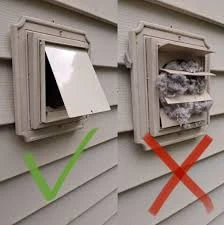
Most people don’t give their dryer vent a second thought. You load the clothes, press start, and move on with your day. Hidden behind the scenes, though, your dryer is pushing out hot, moist air through a vent. That air has to exit your home safely, and the only thing standing between your house and the outside world is a dryer vent cover.
Think of a dryer vent cover like a doorman for your dryer. It opens when the dryer is working and closes when it’s not. When it does its job well, everything runs smoothly. When it doesn’t, small problems can quietly turn into big ones—higher energy bills, damp air sneaking back inside, or even unwanted critters setting up camp.
In this article, we’ll break down what dryer vent covers are, why they matter, and how choosing the right one can protect your home. No technical talk, no confusing terms—just clear, practical information you can actually use.
What Is a Dryer Vent Cover, Really?
At its core, a dryer vent cover is a protective cap that sits on the outside of your home where the dryer vent exits. When your dryer is running, the cover opens to let hot air and lint escape. When the dryer shuts off, the cover closes again.
Imagine blowing air through a straw. When you stop blowing, you don’t want air, dust, or bugs blowing back in. The dryer vent cover works the same way. It’s a one-way door that keeps the bad stuff out while letting the good stuff—warm air and moisture—leave.
Without a proper cover, your dryer vent would be wide open to rain, snow, wind, insects, birds, and even small animals. Over time, that exposure can cause real damage.
Why Dryer Vent Covers Are More Important Than Most People Realize
Keeping Moisture Where It Belongs—Outside
Dryers remove moisture from your clothes. That moisture has to go somewhere. If the vent cover doesn’t seal properly, damp air can drift back inside your walls or laundry room.
Think of it like leaving a window cracked open during a rainstorm. Even a little moisture can lead to mold, peeling paint, or musty smells. A good dryer vent cover helps keep your home dry and comfortable.
Blocking Pests and Unwanted Guests
Birds love warm, sheltered spaces. So do squirrels, mice, and insects. An uncovered or poorly designed vent looks like an open invitation.
Once animals get inside, they often bring nesting materials with them. That can block airflow and create a serious fire risk. A well-made dryer vent cover acts like a locked door—air can pass through, but animals can’t.
Improving Dryer Performance
When air flows freely out of the vent, your dryer doesn’t have to work as hard. That means clothes dry faster, energy use goes down, and wear and tear on the machine is reduced.
It’s similar to breathing through a clear airway versus trying to breathe through a scarf. The easier it is for air to move, the better everything works.
Common Types of Dryer Vent Covers
Not all dryer vent covers are the same. Understanding the basic styles can help you make a smarter choice.
Louvered Vent Covers
These have small slats that open when air pushes through and close when the dryer stops. They’re common and affordable, but lint can sometimes get caught in the slats, causing them to stick.
Hooded Vent Covers
Hooded covers have a curved top that helps shield the vent from rain and snow. They usually open from the bottom, which can reduce the chance of water getting inside.
Box-Style Vent Covers
These covers create a small chamber around the vent opening. They’re designed to improve airflow and reduce lint buildup. Many newer designs focus on smooth air movement and easy cleaning.
Some homeowners look for modern options from brands like Vent Vision, which aim to balance airflow, protection, and simple maintenance without making things complicated.
What Is a Soffit/Eave cover and When Is It Used?
Most dryer vents exit through a wall, but some are routed through the roof overhang. This area is known as the soffit or eave.
A Soffit/Eave cover is specifically designed for these locations. Instead of pointing straight out, it directs air downward, away from the roof and siding.
Picture holding an umbrella. If you tilt it the right way, water flows away from you instead of dripping down your back. A soffit or eave-style vent cover works in a similar way, guiding air and moisture safely away from your home’s structure.
Using the wrong type of cover in this area can lead to moisture damage or trapped lint, so choosing one made for soffits or eaves really matters.
Materials: What Are Dryer Vent Covers Made Of?
Dryer vent covers are usually made from plastic, metal, or a combination of both.
Plastic Covers
Plastic covers are lightweight and affordable. They don’t rust, but they can crack or fade over time, especially in extreme weather.
Metal Covers
Metal covers, often made from aluminum or steel, tend to last longer. They handle heat and sun exposure better but may cost a bit more upfront.
Choosing a material is a lot like choosing outdoor furniture. Cheaper options work fine for a while, but sturdier materials usually hold up better in the long run.
Signs Your Dryer Vent Cover Needs Attention
You don’t have to be an expert to spot trouble. Here are a few easy warning signs:
- The vent flap doesn’t open when the dryer runs
- The cover stays open all the time
- You notice lint collecting around the outside vent
- Clothes take longer than usual to dry
- You hear scratching or chirping sounds near the vent
If you notice any of these, it’s worth taking a closer look. Catching problems early can save you time, money, and stress.
Installation: Simple in Concept, Important in Practice
Installing a dryer vent cover isn’t complicated, but it does need to be done correctly. The cover should fit snugly, seal tightly, and open easily when air flows through.
Think of it like putting a lid on a jar. If it’s crooked or loose, it won’t do its job. A properly installed cover keeps air moving in the right direction and keeps everything else out.
Some homeowners install covers themselves, while others prefer professional help. Either way, making sure it’s secure and aligned is key.
Maintenance: A Little Effort Goes a Long Way
Dryer vent covers don’t need constant attention, but they shouldn’t be ignored.
A quick visual check every few months can make a big difference. Look for lint buildup, stuck flaps, or visible damage. Cleaning off lint is usually as simple as wiping it away with a cloth or soft brush.
It’s like brushing crumbs off a countertop. Small cleanups prevent bigger messes later.
Energy Savings and Safety Benefits
A clean, well-designed dryer vent cover helps air escape easily. That means your dryer uses less energy and finishes cycles faster.
More importantly, good airflow reduces the chance of lint buildup inside the vent. Lint is highly flammable, and blocked vents are a leading cause of dryer-related fires.
In simple terms, the right cover helps your dryer breathe—and safer breathing means safer operation.
Choosing the Right Dryer Vent Cover for Your Home
When shopping for a dryer vent cover, keep these points in mind:
- Fits your vent size correctly
- Opens easily with airflow
- Closes fully when not in use
- Resists weather and pests
- Easy to clean
You don’t need the most expensive option, but you do want one that’s thoughtfully designed. Many homeowners look to brands like Vent Vision for solutions that combine practical design with everyday durability.
Conclusion: Small Upgrade, Big Peace of Mind
Dryer vent covers may be small, but their impact is anything but. They protect your home from moisture, pests, and wasted energy while helping your dryer work the way it should.
Whether your vent exits through a wall or uses a Soffit/Eave cover under the roofline, choosing the right design and keeping it in good shape can prevent a long list of avoidable problems.
It’s one of those home details that’s easy to overlook—but once you understand its role, it’s hard to ignore. A simple cover can make your home safer, more efficient, and a lot more comfortable.
Frequently Asked Questions (FAQ)
1. How often should I check my dryer vent cover?
A quick check every three to six months is usually enough to spot lint buildup or damage.
2. Can a broken dryer vent cover really cause problems?
Yes. A damaged cover can let in moisture, pests, and cold air, and it can reduce dryer efficiency.
3. Is a Soffit/Eave cover different from a wall vent cover?
Yes. It’s designed to direct air downward and is made specifically for vents exiting through roof overhangs.
4. Do dryer vent covers help prevent fires?
They do. By improving airflow and reducing lint buildup, they lower fire risk.
5. Should I replace my cover if it still “kind of” works?
If it doesn’t open or close properly, replacement is a smart move. Even small issues can lead to bigger problems over time.