



Most people clean the lint trap in their dryer without thinking twice. It’s a quick habit, like buckling a seat-belt. But what many don’t realize is that the lint you catch is only part of the story. Deep inside the dryer vent—the long tube that pushes hot air outside—lint quietly builds up over time. This hidden mess can slow your dryer, raise energy bills, and even increase fire risk.
That’s where a dryer vent brush comes in. It’s not flashy. It doesn’t plug in. Yet it plays a huge role in keeping your dryer running safely and smoothly. Think of it like a bottle brush for a narrow tunnel—simple, but incredibly effective.
In this article, we’ll break down what a dryer vent brush is, how it works, why it matters, and how tools like a "4" propeller brush" make cleaning easier than you might expect. No technical talk, no complicated steps—just clear explanations anyone can follow.
What Is a Dryer Vent Brush?
A dryer vent brush is a long, flexible cleaning tool designed to scrub lint and debris from inside your dryer vent. The vent is usually a narrow pipe that runs from the back of your dryer to the outside of your home. Over time, lint sneaks past the filter and sticks to the vent walls, much like dust clings to ceiling fan blades.
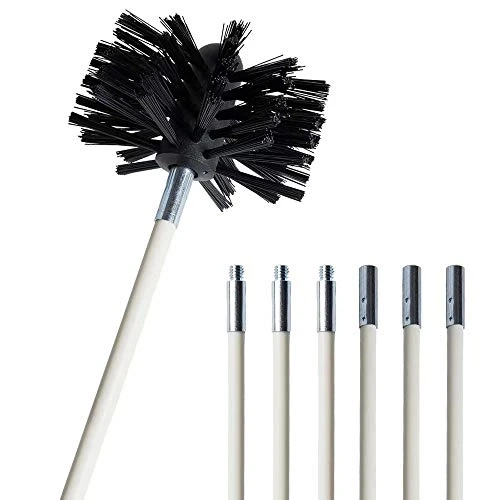
The brush itself looks a bit like a giant pipe cleaner. It has sturdy bristles arranged in a circle, and it’s attached to a long rod or flexible cable. When you push it through the vent and rotate it, the bristles loosen and pull out lint that airflow alone can’t remove.
Why Dryer Vent Cleaning Is So Important
Ignoring your dryer vent is a bit like ignoring crumbs in a toaster. At first, nothing seems wrong. But as buildup increases, problems follow.
Fire safety is the biggest concern. Lint is extremely flammable. When hot air passes over thick layers of lint, it’s similar to blowing air on a campfire. According to fire safety experts, clogged dryer vents are a common cause of house fires.
Efficiency is another issue. When airflow is blocked, your dryer has to work harder. Clothes take longer to dry, which means more electricity or gas used each cycle. Over time, that extra strain can shorten the life of your dryer.
There’s also comfort to consider. A clogged vent can cause excess heat and moisture in your laundry area. That damp warmth can lead to musty smells or even mold.
How a Dryer Vent Brush Works (In Plain English)
Imagine trying to clean the inside of a straw. You can’t reach in with your fingers, so you’d need a long, thin brush. A dryer vent brush works the same way.
You insert the brush into the vent opening, usually from behind the dryer or from the outside vent hood. As you push it in, you twist the handle. The bristles spin and scrape the inside walls, grabbing lint as they go. When you pull the brush back out, lint comes with it—often more than people expect.
Some brushes are stiff for heavy buildup. Others are more flexible, able to bend around gentle turns in the vent. The goal is simple: loosen lint and bring it out.
Understanding the "4" Propeller Brush" Design
One popular style you might see is the "4" propeller brush". Despite the name, there’s nothing complicated about it.
Picture the spinning blades of a boat propeller. Now imagine those blades are soft but sturdy bristles. As the brush spins, the bristles fan out and sweep the vent walls evenly. The “4-inch” part refers to the diameter, which matches many standard dryer vents.
This design is helpful because it cleans more surface area at once. Instead of just poking at lint, it gently scrubs all sides of the vent, like using a round dish brush instead of a flat sponge.
Signs Your Dryer Vent Needs Cleaning
You don’t have to guess whether your vent is clogged. Your dryer usually sends warning signs.
- Clothes take longer to dry than before
- The dryer feels unusually hot to the touch
- A burning or musty smell during use
- Lint visible around the outside vent opening
- The laundry room feels warmer or more humid
If you notice one or more of these, it’s time to grab a dryer vent brush.
DIY vs. Professional Cleaning: What’s Right for You?
Many homeowners choose to clean their dryer vents themselves, especially if the vent is short and straight. A good brush can handle routine maintenance just fine. It’s similar to vacuuming—you don’t call a professional every time, but you might once in a while for a deep clean.
For longer vents or those with several bends, professional help can be useful. They have specialized tools and cameras to inspect hard-to-reach areas.
Brands like Vent Vision design tools that make DIY cleaning more approachable, even for beginners. With the right brush and a bit of patience, most people can safely maintain their vents at home.
How Often Should You Clean Your Dryer Vent?
For most households, once a year is a good rule of thumb. However, some situations call for more frequent cleaning:
- Large families who do laundry often
- Homes with pets that shed heavily
- Long or winding vent systems
If your dryer runs daily, consider checking the vent every six months. It’s a small effort that pays off in safety and savings.
Step-by-Step: Using a Dryer Vent Brush Safely
You don’t need special skills to use a dryer vent brush. Here’s a simple approach:
- Unplug the dryer and, if it’s gas, turn off the gas supply.
- Disconnect the vent from the back of the dryer.
- Insert the brush gently into the vent opening.
- Twist and push slowly, letting the bristles do the work.
- Pull the brush out and remove collected lint.
- Repeat until clean, then reconnect everything securely.
Think of it like sweeping a narrow hallway—slow and steady works best.
Common Mistakes to Avoid
Even simple tools can be misused. Avoid these common errors:
- Forcing the brush around sharp bends
- Skipping safety steps, like unplugging the dryer
- Using brushes that are too large or too stiff for your vent
- Assuming the lint trap is enough
A dryer vent brush is meant to work with gentle pressure, not brute force.
Long-Term Benefits You’ll Actually Notice
Cleaning your dryer vent isn’t just about avoiding problems. There are real, everyday benefits:
- Shorter drying times
- Lower energy bills
- Quieter dryer operation
- Peace of mind knowing your home is safer
Over time, these small improvements add up, much like changing air filters or keeping tires properly inflated.
Conclusion: A Small Tool With a Big Impact
A dryer vent brush might not be something you think about often, but it plays a major role in home safety and efficiency. By keeping lint out of places it doesn’t belong, this simple tool helps your dryer breathe, work smarter, and last longer.
Whether you choose a basic brush or a specialized option like a "4" propeller brush", the important thing is consistency. Regular cleaning turns a hidden hazard into a manageable chore. And when a tool is easy to use and effective, there’s no reason to put it off.
Sometimes, the smartest home upgrades aren’t fancy gadgets—they’re simple tools used at the right time.
Frequently Asked Questions (FAQ)
1. Can I clean my dryer vent without a brush?
You can remove some lint by hand or with a vacuum, but a brush reaches deeper and cleans more thoroughly.
2. Is a dryer vent brush safe for all dryers?
Yes, as long as you choose the right size and use gentle pressure, it’s safe for standard home dryers.
3. How long does dryer vent cleaning take?
Most cleanings take 15–30 minutes, depending on vent length and buildup.
4. Do flexible vents need special brushes?
Flexible vents benefit from softer, more flexible brushes to avoid damage.
5. Will cleaning the vent really lower my energy bill?
Yes. Better airflow means shorter drying cycles, which uses less energy over time.