



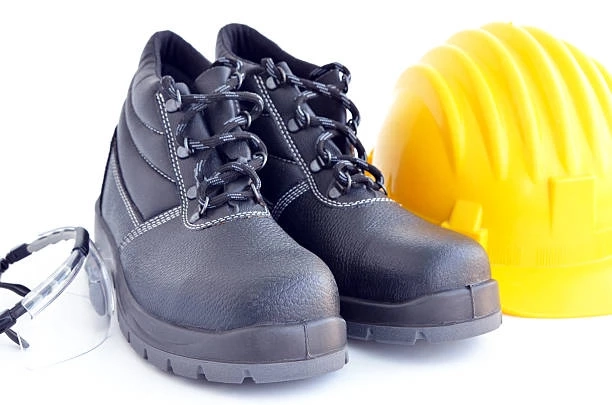
Steel cap boots are a cornerstone of workplace safety across construction, manufacturing, mining, logistics and many other industries where foot injuries are a serious risk. While they may look like ordinary work boots on the outside, the protection they offer is a result of engineering, material science and strict safety standards working together. Understanding how steel cap boots protect your feet can help you choose the right pair and appreciate the technology built into them.
1. What Are Steel Cap Boots? A Quick Overview
Steel cap boots (also called steel-toe boots or safety boots) are heavy-duty work boots that include a layered protective toe cap made from hardened steel. This cap is molded into the boot’s toe area and designed to shield the wearer’s foot from:
- Heavy falling objects
- Rolling loads (e.g., forklifts, trolleys, drums)
- Compression forces
- Sharp punctures
The toe cap acts as a barrier that can withstand thousands of kilograms of force, depending on the safety rating.
2. The Engineering: How the Steel Toe Cap Absorbs Impact
The science behind steel caps lies in impact distribution. When a heavy object hits a normal shoe, the force is concentrated directly onto the foot bones. Steel toe caps prevent this by:
a) Spreading the Force Over a Larger Surface Area
The curved dome shape of the steel toe acts like an arch. This is a structural engineering principle used in bridges and buildings — arches naturally distribute weight away from the point of impact.
When something falls on the boot, instead of the force crushing the toes, the steel cap channels it across the entire structure of the cap.
b) Preventing Toe Compression
Steel caps are tested to resist specific compression forces, often up to 15 kN or more. This means they won’t collapse even when squeezed by heavy wheels or mechanical loads.
c) Maintaining Structural Integrity Under Repeated Impacts
Steel is extremely tough and maintains its shape under repeated stress. Unlike plastic or composite materials that may fatigue over time, steel withstands constant use in rugged conditions.
3. Toe Cap Materials: Why Steel Is Still King
Although composite and aluminium toe caps are becoming more popular, steel remains the gold standard due to its:
- Superior strength-to-thickness ratio
- Resistance to dents and cracking
- Ability to withstand extreme heat
- High durability at a lower cost
Modern steel toe caps are made from hardened, heat-treated steel alloys designed to deliver the best combination of strength, flexibility and toughness.
How Heat Treatment Makes Steel Stronger
Steel toe caps undergo processes like:
- Quenching – rapidly cooling hot steel to harden it
- Tempering – reheating steel to remove brittleness
- Cold working – shaping the steel to refine grain structure
These modifications improve hardness, resistance to deformation, and long-term toughness.
4. More Than Just Steel: The Boot Construction Matters Too
Even the strongest steel cap won’t work effectively if the rest of the boot is poorly made. Safety boots use additional design elements to enhance protection.
a) Multi-layered Upper Materials
Premium boots use leather, microfiber or advanced synthetics that resist abrasion, sparks, moisture and cuts. These materials work with the steel cap to create complete front-foot protection.
b) Puncture-Resistant Midsoles
Many steel cap boots include steel or composite plates embedded in the sole to prevent nails, glass or sharp metal from piercing the foot.
c) Reinforced Heel and Arch Support
Shock-absorbing midsoles, EVA cushioning and heel counters help reduce fatigue and protect the foot during long shifts.
d) Slip-resistant Outsoles
Outsoles are engineered with special tread patterns and rubber compounds that meet slip-resistance standards (SRA, SRB, SRC) to prevent falls.
5. Safety Standards: The Science Behind Compliance
Steel cap boots are tested under strict global standards such as:
- AS/NZS 2210.3 (Australia & New Zealand)
- EN ISO 20345 (Europe)
- ASTM F2413 (USA)
These tests simulate real workplace hazards.
Impact Testing
A heavy weight (often 20 kg) is dropped from a specific height onto the toe cap. The cap must not crack or compress enough to injure the toes.
Compression Testing
The toe cap is crushed by machinery. To pass, the cap must withstand up to 15,000 Newtons or more.
Penetration Resistance
A force is applied to the sole using a sharp probe to simulate nails and metal debris.
Thermal and Chemical Resistance
Boots undergo testing for heat exposure (HRO), cold insulation (CI), and resistance to certain oils, fuels and chemicals.
When a steel cap boot is certified, it means the design and materials have been scientifically validated under controlled conditions.
6. Protecting Against Real-World Hazards
Steel cap boots protect workers from multiple types of hazards:
a) Falling Objects
On construction sites or warehouses, objects like bricks, pipes and tools can fall unexpectedly. Steel caps stop these from impacting delicate toe bones.
b) Rolling Loads
Forklifts, pallet jacks, trolleys and large drums can roll onto feet. Steel caps resist intense compression and prevent crushed toes.
c) Sharp Debris
Combined with puncture-resistant midsoles, steel cap boots stop nails, screws and scrap metal from penetrating the foot — a common workplace injury.
d) Twisting, Slipping and Uneven Surfaces
Steel cap boots often include torsional support and anti-slip soles to help prevent sprains and falls.
e) Extreme Temperatures
Steel maintains integrity under both high heat and extreme cold, making it effective for foundries, outdoor worksites and industrial facilities.
7. How Steel Cap Boots Reduce Fatigue
Comfort is also part of the science. Long shifts cause muscle strain, but good steel cap boots counter this through:
- Shock-absorbing midsoles
- Anatomically shaped footbeds
- Arch support
- Heel cushioning
- Anti-fatigue technology (e.g., energy-return foams)
This reduces micro-trauma to joints and muscle groups, helping workers remain productive and safe.
8. Are Composite Caps Better? A Quick Comparison
Some modern safety boots use composite or fiberglass toe caps. While lightweight and metal-free, composites often cannot match steel’s raw strength.
Steel toe caps excel in:
- Maximum impact resistance
- Heat exposure
- Durability over years
Composite toe caps excel in:
- Lighter weight
- Non-metallic security clearance
- Cold insulation
However, for high-risk industrial work, steel caps remain the most trusted option globally.
Final Thoughts
Steel cap boots are a perfect example of engineering and material science brought together for everyday protection. From force distribution and impact resistance to heat-treated steel alloys and strict safety standards, every detail works toward one mission: protect your feet from serious injury.
Whether you work in construction, logistics, mining or manufacturing, the science behind steel cap boots guarantees that your safety is not left to chance. Choosing the right pair ensures you stay comfortable, productive and protected — no matter how tough the job gets.