



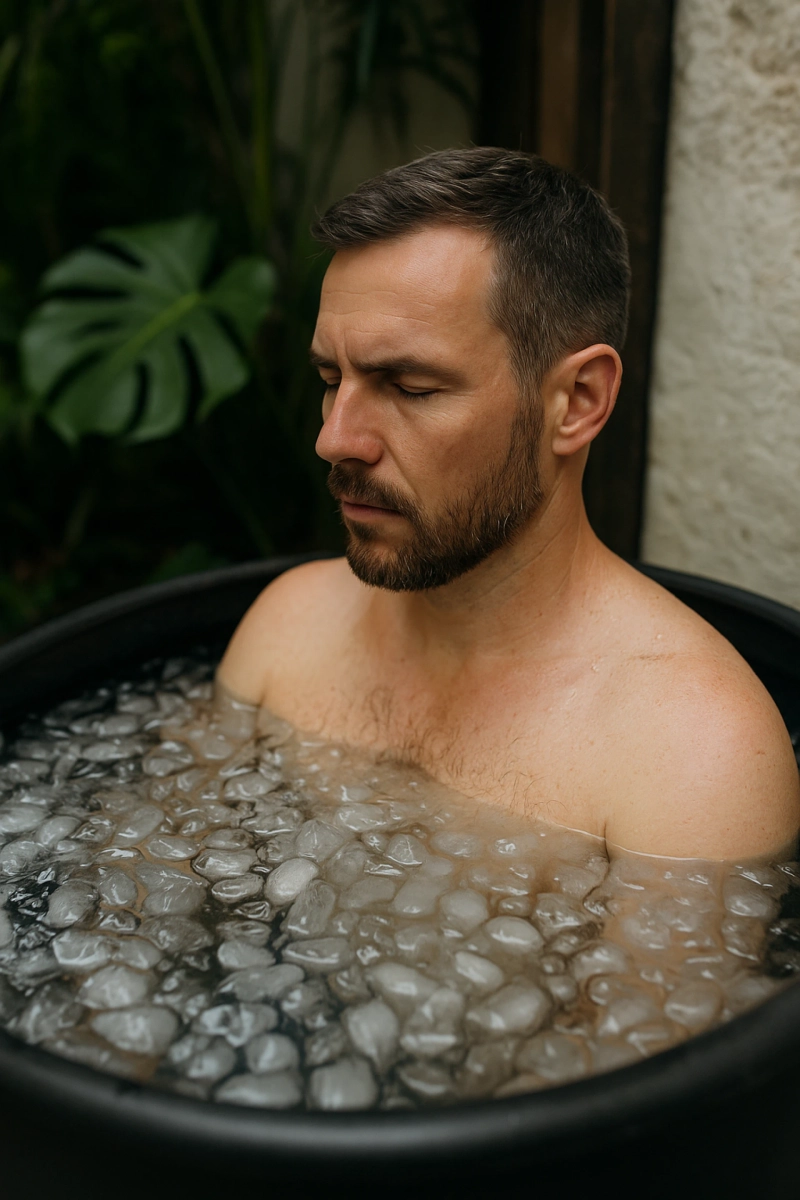
Across Australia, the culture of recovery has evolved far beyond stretching mats and protein shakes. In Brisbane’s creative and health-driven suburb of West End, ice baths have become more than just a wellness trend—they’re a lifestyle shift. Locals are embracing cold immersion not just to recover faster, but to reconnect with their bodies and minds. The rise of Ice Bath West End reflects a growing interest in evidence-based recovery methods that combine science, mindfulness, and community spirit.
Understanding the Science Behind Cold Exposure
Cold exposure, particularly through ice baths, has captured attention because of its profound physiological effects. When the body is submerged in cold water, it initiates a series of automatic responses designed to maintain internal balance. Blood vessels constrict, circulation slows, and inflammation decreases—helping muscles recover after intense workouts. This reaction also triggers endorphin release, producing a rush of energy and mental clarity once the body warms up again.
According to research published in the Journal of Physiology, cold-water immersion can reduce muscle soreness by up to 20% compared to passive rest. While numbers may vary depending on individual fitness levels, the consistent finding is that cold therapy supports faster recovery by reducing inflammation and oxidative stress. This is why athletes, personal trainers, and even office workers are turning to ice baths to counteract muscle tension and fatigue.
For readers interested in other modern recovery approaches, The Omnibuzz’s article on The Benefits of Modern Recovery Practices provides additional insight into evolving wellness methods used across Australia.
The Local Movement: Ice Bath Culture in West End
What sets Ice Bath West End apart from other wellness practices is its strong sense of community. West End has long been known for its balance of creativity and conscious living—a suburb where art galleries sit next to yoga studios and health cafés. The rise of local recovery centres offering ice baths feels like a natural extension of that culture.
Residents aren’t just plunging into cold water for physical benefits; they’re also finding connection. Group sessions and recovery meetups are creating spaces where people can decompress from their busy routines while focusing on collective wellbeing. For many, it’s not just therapy—it’s a weekly ritual that blends social connection with physical renewal.
There’s also a cultural shift happening here. Cold immersion was once seen as something reserved for elite athletes or extreme adventurers. Today, everyday people in West End are embracing it as a practical way to manage stress, boost energy, and improve sleep quality.
The Science in Practice: Why Cold Exposure Works
Cold exposure may sound uncomfortable, but the science behind it is compelling. When your skin meets water temperatures around 10–15°C, the body releases norepinephrine—a hormone that sharpens focus and lifts mood. This response helps explain why people report feeling “alive” or mentally refreshed after an ice bath.
Additionally, regular exposure trains the nervous system to adapt to stress. It’s essentially resilience training for both body and mind. As the body learns to handle the shock of cold water, other forms of stress—whether emotional or physical—may also feel more manageable.
Readers can learn more about stress and mindfulness techniques by exploring The Omnibuzz’s post on Mindful Practices That Boost Everyday Wellness, which pairs well with understanding how ice baths complement mental health routines.
Where to Try Cold Therapy in West End
For those curious about trying cold immersion under professional guidance, Cold Therapy West End offers a well-established approach. Sessions are conducted in a controlled environment, ensuring water temperature and immersion duration are safe and effective. The setting promotes both physical recovery and mindful reflection—a hallmark of why locals continue to return.
Professional oversight also matters for those new to the practice. Beginners are often advised to start with short dips—between 2 and 4 minutes—before extending sessions gradually. Having trained staff on site ensures proper technique, temperature safety, and guidance on integrating the practice into a weekly routine.
Beyond Physical Recovery: Mental and Emotional Benefits
The benefits of cold exposure go beyond the body. When done consistently, ice baths may help regulate mood by increasing dopamine levels, a neurotransmitter linked to motivation and pleasure. Many West End residents describe feeling calmer, more focused, and emotionally balanced after each session.
This connection between body and mind has made ice baths part of broader wellness programs that include meditation, breathwork, and yoga. For those already practicing mindfulness or fitness, adding cold therapy can create a balanced cycle of exertion and recovery—something modern lifestyles often lack.
How to Begin Your Ice Bath Routine
Starting with an ice bath doesn’t require elaborate preparation, but it does require awareness. Beginners should always consult a healthcare professional before starting any cold exposure practice, especially if they have circulatory or heart conditions.
Here’s how locals are integrating it into their week:
- Post-training recovery: After intense workouts, a 3-minute immersion at around 12°C may reduce muscle soreness.
- Morning refresh: Short sessions can serve as an alternative to caffeine, energising the body for the day.
- Weekend reset: Combining an ice bath with sauna or breathwork may enhance relaxation and support better sleep.
By easing into the process and listening to your body’s signals, it becomes less of a challenge and more of a rewarding ritual.
The Future of Ice Bath Therapy in Urban Wellness
As the conversation around holistic wellness expands, ice baths are emerging as a central part of modern recovery routines. Studios in cities like Brisbane, Melbourne, and Sydney are creating accessible spaces for people to experience the benefits of cold therapy in safe, social environments.
In West End, this growth is particularly noticeable. The suburb’s wellness-oriented lifestyle is shaping a local identity where self-care meets community engagement. Whether you’re an athlete, a creative, or simply someone managing daily stress, an Ice Bath West End session may be an effective way to recharge both physically and mentally.
As recovery science continues to evolve, the role of cold therapy may expand into preventative health, rehabilitation, and even cognitive training. For now, it stands as a powerful example of how ancient practices are being reimagined through modern science and community wellness movements.
Conclusion: Reconnecting Body and Mind Through Ice Bath West End
The growing popularity of ice baths in West End shows that wellness is no longer a solitary pursuit—it’s a shared experience rooted in science, resilience, and connection. Cold immersion gives people a space to reset, reflect, and build strength from within. For locals seeking balance between body and mind, visiting Cold Therapy West End may be the next step in their personal recovery journey.