



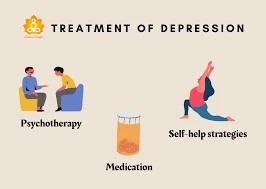
When facing depression, many people wonder what type of treatment will work best for them — therapy, medication, or a combination of both. Understanding the differences between these approaches can help you make informed decisions about your recovery journey. Both treatment for depression and professional support are key to restoring emotional balance and improving overall quality of life.
Understanding Depression and Its Causes
Depression is more than just feeling sad or unmotivated. It’s a serious mental health condition that affects how you think, feel, and function in everyday life. The causes of depression vary and can include a mix of biological, psychological, and environmental factors.
While genetics and brain chemistry play a role, life stressors — such as trauma, relationship difficulties, or major changes — can also contribute. Recognizing the symptoms of depression early is the first step toward finding the right treatment plan and beginning the healing process.
The Role of Therapy in Treating Depression
Therapy is one of the most effective and long-lasting methods for treating depression. Through structured conversations, individuals can explore their thoughts, emotions, and behaviors to uncover the root causes of their distress.
Engaging in depression therapy provides a safe, non-judgmental environment where people can learn practical coping strategies, improve self-awareness, and build emotional resilience. Cognitive Behavioural Therapy (CBT), Interpersonal Therapy (IPT), and mindfulness-based approaches are among the most common and successful techniques used today.
In addition to therapy sessions, depression counselling helps individuals process emotions, develop healthier thinking patterns, and rebuild self-esteem. The benefits of therapy often extend far beyond depression, positively influencing relationships and overall well-being.
The Role of Medication
Medication can be an essential part of treating moderate to severe depression, especially when symptoms interfere with daily life. Antidepressants work by adjusting the levels of neurotransmitters in the brain — chemicals that influence mood and emotions.
While medication can significantly reduce symptoms, it doesn’t address the underlying psychological causes of depression on its own. This is why many mental health professionals recommend combining therapy and medication for optimal results.
The decision to start medication should always be made with a qualified psychiatrist or healthcare provider, who can tailor the prescription based on your specific needs and monitor progress closely.
How to Cope with Depression
Even with the best treatment plan, learning how to cope with depression day-to-day plays a major role in long-term recovery. Alongside therapy and medication, lifestyle changes can make a powerful difference.
Here are a few effective coping strategies:
- Establish a daily routine – Structure your day to reduce uncertainty and maintain motivation.
- Exercise regularly – Physical activity releases endorphins that naturally boost mood.
- Eat a balanced diet – Proper nutrition supports brain health and energy levels.
- Stay connected – Reach out to family, friends, or support groups instead of isolating yourself.
- Practice mindfulness – Techniques like deep breathing, yoga, or meditation can help calm your mind.
- Set realistic goals – Focus on small achievements to regain confidence and control.
By combining professional support with self-care, you can strengthen your mental resilience and build a more fulfilling life.
Finding the Right Balance
Deciding between therapy and medication is not about choosing one over the other — it’s about finding the balance that works best for you. Some individuals respond better to talk therapy, while others may need medication to stabilize mood before therapy becomes effective.
Therapists like Caroline Goldsmith emphasize that each person’s experience with depression is unique, and treatment should be customized accordingly. By working closely with both therapists and healthcare providers, individuals can discover the most effective path to recovery.
Final Thoughts
Depression can feel isolating, but it’s important to remember that effective treatment exists. Whether you begin with treatment for depression, start medication, or engage in depression counselling, the goal is the same — to help you regain hope, strength, and purpose.
Therapy helps you understand yourself more deeply, while medication can restore chemical balance and energy levels. Together, they form a powerful combination that supports both mind and body. With time, persistence, and professional care, recovery is absolutely possible.