



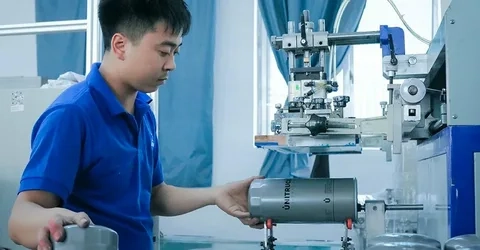
In today’s era of industrial automation, precision and efficiency are the driving forces behind global manufacturing. As industries evolve, they rely heavily on advanced equipment that simplifies complex processes and ensures high-quality output. Among the technologies that have revolutionized the processing of molten materials, the pastillator system stands out as one of the most efficient. When paired with China’s technological innovation and large-scale production expertise, pastillatorsystem China has become a recognized standard in international markets.
The Chinese industrial machinery sector has expanded rapidly over the last two decades, developing specialized pastillator systems for multiple industries. These systems convert molten materials into uniform, solid pastilles that are easy to transport, store, and handle. As a result, Chinese-made pastillator systems are now used in industries such as chemicals, food, pharmaceuticals, and plastics, providing cost-effective, eco-friendly, and highly productive solutions for global manufacturers.
Understanding the Function and Structure of a Pastillator System
A pastillator system is designed to convert hot, liquid materials into consistent, solid pellets known as pastilles. The process begins when the molten material passes through a drop depositor or feeder, forming evenly spaced droplets on a cooled steel belt. As the belt moves, these droplets cool and solidify, eventually being collected at the end of the conveyor. This precise and controlled process helps maintain uniform product size and quality.
In the case of pastillatorsystem China, the machinery incorporates cutting-edge automation, advanced temperature sensors, and optimized cooling mechanisms to ensure efficiency and reliability. Modern Chinese systems often include stainless steel belts, closed-loop cooling circuits, and smart controllers that monitor each step of the operation. The result is a system that performs seamlessly, minimizes waste, and delivers perfectly solidified pellets every time — making it indispensable for industrial-scale production.
Why China Leads in Pastillator System Manufacturing
China’s dominance in the pastillatorsystem China market is not accidental; it is the result of years of consistent investment in manufacturing infrastructure, research, and innovation. The country’s vast industrial base allows manufacturers to source components locally, reducing production costs while maintaining international quality standards. Furthermore, Chinese engineering teams have mastered the art of integrating automation and digital controls, making their systems efficient, user-friendly, and cost-effective.
Another key factor behind China’s leadership is its commitment to customization. Chinese manufacturers offer tailor-made pastillator systems suited to specific materials — such as sulfur, waxes, resins, or fatty acids — ensuring optimal performance for every production need. The combination of technical precision, affordability, and flexibility has made China the go-to destination for industries seeking reliable pastillation solutions worldwide.
Applications of Pastillator Systems Across Various Industries
One of the biggest strengths of a pastillator system is its versatility. It is used in a wide variety of industries, each with its own unique material requirements. In the chemical sector, pastillator systems are used to solidify sulfur, fertilizers, and other molten compounds into dust-free pastilles that are safer to store and transport. These systems reduce product loss and improve material handling, making them essential in large-scale chemical plants.
In the food and pharmaceutical industries, pastillatorsystem China has been adapted for hygienic and controlled environments. Materials such as cocoa butter, gelatin, vitamins, and wax-based additives are processed under strict sanitary conditions to maintain purity and consistency. Similarly, in the plastic and resin industries, the system ensures uniform solidification, which improves processing efficiency in downstream applications such as compounding or molding.
Technological Innovations Driving the Chinese Pastillator Industry
Innovation is the foundation of the pastillatorsystem China industry’s growth. Chinese manufacturers have embraced modern technologies such as PLC (Programmable Logic Controllers), IoT integration, and AI-based process monitoring. These features allow operators to remotely manage temperature, droplet formation, and cooling rates with extreme precision. The ability to track data in real-time also helps prevent production errors and optimize resource usage.
Additionally, advancements in belt materials and cooling systems have made these machines more durable and energy-efficient. High-quality stainless steel belts with anti-stick coatings ensure long-term reliability, while improved heat exchangers enable faster cooling with reduced energy consumption. These innovations not only enhance performance but also contribute to sustainability by minimizing waste and reducing operational costs.
Environmental Benefits of Using Pastillator Systems
The global push toward greener and more sustainable manufacturing has put technologies like the pastillator system in the spotlight. Traditional material solidification methods such as flaking or granulation consume more energy and often generate waste and dust. In contrast, pastillator systems are designed to operate efficiently with minimal environmental impact.
In pastillatorsystem China, sustainability has become a core design priority. Many modern systems utilize closed-loop water cooling circuits, ensuring zero discharge and reduced water waste. The entire process is dust-free, making the working environment safer for operators. Furthermore, the ability to precisely control droplet size means less raw material loss and a cleaner production process overall. These eco-friendly features have made Chinese pastillator systems popular among environmentally conscious manufacturers around the world.
Comparing Chinese and International Pastillator Technologies
When comparing pastillatorsystem China with systems from Europe or North America, it becomes clear that Chinese manufacturers have made remarkable progress. Initially, European brands dominated the pastillator market, but China quickly caught up by investing in R&D and quality control. Today, many Chinese systems rival their Western counterparts in performance, durability, and technological sophistication — all while being significantly more affordable.
Moreover, Chinese suppliers are known for their flexibility. They offer customized designs, quick production timelines, and reliable after-sales support. This adaptability allows global clients to acquire systems specifically engineered for their materials, factory layouts, and production goals. Combined with competitive pricing and global logistics networks, Chinese pastillator manufacturers have established a dominant presence in international markets.
Economic Impact and Global Reach of China’s Pastillator Industry
The success of pastillatorsystem China reflects China’s broader economic strategy of becoming a global manufacturing leader. The country exports thousands of pastillator systems every year to industries in Asia, Europe, Africa, and the Americas. This widespread demand highlights the reliability and performance of Chinese-made machinery.
Beyond direct exports, China’s pastillator industry also drives growth in related sectors such as metallurgy, automation, and logistics. Many Chinese companies collaborate with global engineering firms to co-develop new technologies, resulting in mutually beneficial innovation. This international collaboration has not only enhanced China’s global industrial reputation but has also made advanced machinery more accessible to developing markets.
Challenges and Future Opportunities in China’s Pastillator Market
Despite its impressive growth, the pastillatorsystem China industry still faces certain challenges. Global competition remains intense, and maintaining consistent quality across multiple manufacturers requires strong regulatory oversight. Additionally, the industry must continue to innovate to meet changing environmental regulations and customer demands for smarter, more automated solutions.
However, these challenges also create opportunities. With advancements in artificial intelligence, robotics, and energy-efficient systems, China’s manufacturers are well-positioned to develop the next generation of pastillator technology. By focusing on quality, innovation, and sustainability, Chinese companies can strengthen their position as the world’s top suppliers of solidification equipment.
Future Trends: Smart Manufacturing and Digital Integration
The future of pastillatorsystem China is closely tied to the global shift toward Industry 4.0 and digital transformation. Manufacturers are now integrating smart sensors, cloud-based analytics, and real-time performance dashboards into their systems. These innovations will enable predictive maintenance, reduce downtime, and optimize efficiency.
Additionally, the move toward modular and mobile pastillator systems will give companies more flexibility in scaling production. With advanced AI control systems, operators can make data-driven decisions that improve productivity and reduce costs. This evolution marks a new era where pastillator systems become intelligent, self-optimizing tools that redefine industrial production.