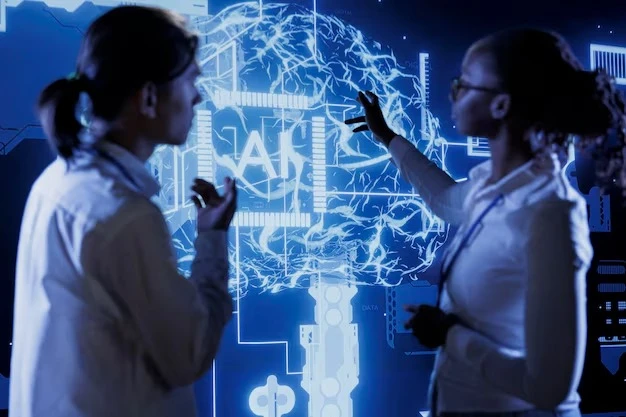
In the fast-evolving world of event management, data and technology have become powerful allies in transforming how planners design, execute, and evaluate events. Among the most revolutionary advancements is the integration of machine learning (ML), a core component of artificial intelligence (AI), into modern event management systems. Machine learning brings automation, predictive analysis, and personalization into the mix, enabling event organizers to create smarter, data-driven strategies that enhance attendee experience while optimizing resources. This evolution marks the beginning of a new era where AI for Event Management is no longer a futuristic concept but a practical tool reshaping the industry.
Understanding Machine Learning in Event Management
Machine learning involves algorithms that allow systems to learn from data patterns and make intelligent decisions without explicit programming. In event management, this translates into software solutions that can predict attendee behavior, recommend optimal schedules, automate communication, and even anticipate logistical challenges. From registration systems to post-event analytics, machine learning streamlines operations and reduces human error, resulting in higher efficiency and better event outcomes. As event planning grows increasingly complex, leveraging AI for Event Management ensures smarter decision-making and more meaningful engagement with participants.
Predictive Analytics: Planning with Precision
One of the most impactful applications of machine learning in event planning is predictive analytics. Using historical data and behavioral trends, machine learning models can forecast attendance rates, anticipate peak traffic times, and even predict no-shows. This helps event planners allocate resources more effectively—ensuring that venues, staff, and supplies are proportionately distributed.
Predictive tools also help identify the best times for marketing campaigns or ticket releases, increasing conversion rates and minimizing costs. For example, algorithms can analyze past ticket sales to determine which demographics respond best to certain price points or communication channels, allowing for targeted marketing that drives higher attendance.
For More Information, organizers can explore advanced data-driven planning tools that integrate predictive analytics seamlessly into event workflows.
Personalization and Enhanced Attendee Engagement
Personalization is another domain where machine learning excels. Modern attendees expect customized experiences that align with their interests, preferences, and goals. Machine learning algorithms can analyze attendee data—such as registration details, browsing behavior, and session participation—to deliver tailored recommendations.
This might include suggesting breakout sessions, networking opportunities, or exhibitors that align with individual profiles. Personalized communication, powered by AI for Event Management, enhances engagement by ensuring that every attendee feels valued and understood. Over time, this data-driven personalization also helps organizers identify trends and preferences that can inform future event design.
Click Here to learn how personalization technologies are being integrated into event planning systems to boost attendee satisfaction.
Optimizing Event Logistics with AI
Machine learning also plays a vital role in event logistics. From crowd management to food and beverage planning, ML-powered event software can analyze data from previous events to optimize operations. For example, real-time data from wearable devices or mobile apps can help predict crowd movements and prevent bottlenecks in large venues.
Similarly, machine learning can analyze attendee feedback to identify weak points in event flow, allowing planners to make real-time adjustments. In the age of hybrid and virtual events, AI-driven logistics become even more critical. Algorithms can allocate bandwidth, adjust streaming quality, and personalize digital experiences dynamically, ensuring seamless performance regardless of audience size.
To Get Started with implementing AI-driven logistics, event planners can explore various software options that cater to hybrid and large-scale events.
Cost Optimization Through Machine Learning
Cost optimization is another major advantage of integrating machine learning into event management systems. Traditional event planning often involves guesswork in budgeting, leading to overspending or resource wastage. With ML-based software, planners can gain insights into cost patterns and forecast financial outcomes more accurately.
Machine learning can identify areas where spending can be reduced without compromising quality—such as vendor selection, staffing levels, or promotional strategies. By analyzing historical pricing trends, it can even suggest the ideal time to book venues or services.
This has made many professionals re-evaluate how Event Software Price correlates with long-term efficiency. Understanding how intelligent tools contribute to cost-effectiveness can help organizations make smarter investment decisions. To visit this website, professionals can compare features and pricing options for AI-powered platforms before committing to one.
Sentiment Analysis: Understanding Attendee Feedback
One of the emerging uses of machine learning is in sentiment analysis. This technology scans attendee feedback, social media posts, and survey responses to gauge the overall sentiment surrounding an event. Whether it’s identifying dissatisfaction with a specific speaker or detecting enthusiasm about a new format, sentiment analysis provides real-time insights into audience reactions.
Planners can use this data to make instant improvements or adapt future event strategies. Moreover, it enhances brand reputation management by allowing teams to respond quickly to negative feedback before it escalates. Integrating sentiment analysis into AI for Event Management ensures that every event becomes an opportunity for continuous learning and improvement.
For those seeking More Information on how sentiment analysis enhances event engagement, exploring industry case studies can be particularly insightful.
AI-Powered Networking and Matchmaking
Machine learning also facilitates intelligent matchmaking during networking events or conferences. By analyzing participant profiles and interests, AI algorithms can suggest potential connections, increasing the relevance of networking opportunities.
This level of intelligent pairing not only saves time but also boosts the overall value attendees derive from the event. For exhibitors, it ensures higher lead quality, while attendees experience more meaningful conversations. Such AI-based matchmaking is especially valuable in large-scale or virtual events where traditional networking is challenging.
Go to the Website to discover interactive matchmaking tools designed to enrich attendee engagement through AI.
Ethical and Data Security Considerations
Data security and ethical considerations are also important when using machine learning in event planning. Since AI systems rely on extensive data collection, ensuring compliance with privacy regulations like GDPR is crucial. Event organizers must choose reliable platforms that provide transparency and allow users control over their personal information.
Ethical AI practices—such as avoiding algorithmic bias and ensuring data anonymization—are essential for maintaining trust among attendees. Adopting responsible AI for Event Management not only enhances security but also fosters long-term relationships with participants and partners.
Conclusion: The Future of Smarter Event Planning
The integration of machine learning into event management represents a transformative step toward smarter, data-driven event planning. It enables predictive insights, personalized experiences, operational efficiency, and real-time adaptability—all essential for success in today’s dynamic environment.
While initial implementation may involve an investment in advanced tools, the long-term benefits far outweigh the costs, especially when factoring in improved decision-making and attendee satisfaction. Leading platforms like Event Software exemplify how AI-powered solutions can help planners manage events intelligently while maintaining cost control and flexibility.
As machine learning continues to evolve, event planners who embrace it early will be best positioned to deliver seamless, impactful, and truly memorable experiences.