In modern homes throughout Boulder City, the role of insulation has fundamentally shifted from a minor building material to a frontline defense against the extreme desert climate. Decades ago, insulation was seen primarily as a way to keep homes warm in the winter. Now, in a place where summer cooling costs are the dominant household expense, its main job is to keep the intense Nevada heat out. Proper insulation installation in Boulder City, NV is no longer just about thermal resistance; it's about creating a complete performance system that controls air movement, manages radiant heat, and ultimately determines a home's comfort and energy consumption.
This evolution means that the pink fiberglass batts that were standard in older homes are often no longer sufficient to meet the demands of modern living. The focus has moved toward creating an airtight building envelope, a concept that has become central to building and retrofitting homes that are both comfortable and affordable to operate. This guide, drawing on insights from professionals who work with these systems daily, explains the expanded role of insulation in a modern Boulder City home.
A Battle Against Air Infiltration and Radiant Heat
The single biggest challenge for any home in the Mojave Desert is not just the high air temperature, but the relentless radiant heat from the sun. An attic in this region can easily reach temperatures above 150°F, turning it into a giant radiator sitting on top of the house. This heat constantly tries to push its way into the living space below.
The modern role of insulation is to fight this heat on two fronts. First, it must resist conductive heat transfer, which is measured by its R-value. A higher R-value means the insulation is more effective at slowing the movement of heat. Second, and arguably more important, it must stop air infiltration. Older insulation systems did not address the hundreds of small gaps, cracks, and penetrations in a home's structure. Hot, dusty air from the outside and the attic could easily leak into the home, forcing the air conditioner to run constantly.
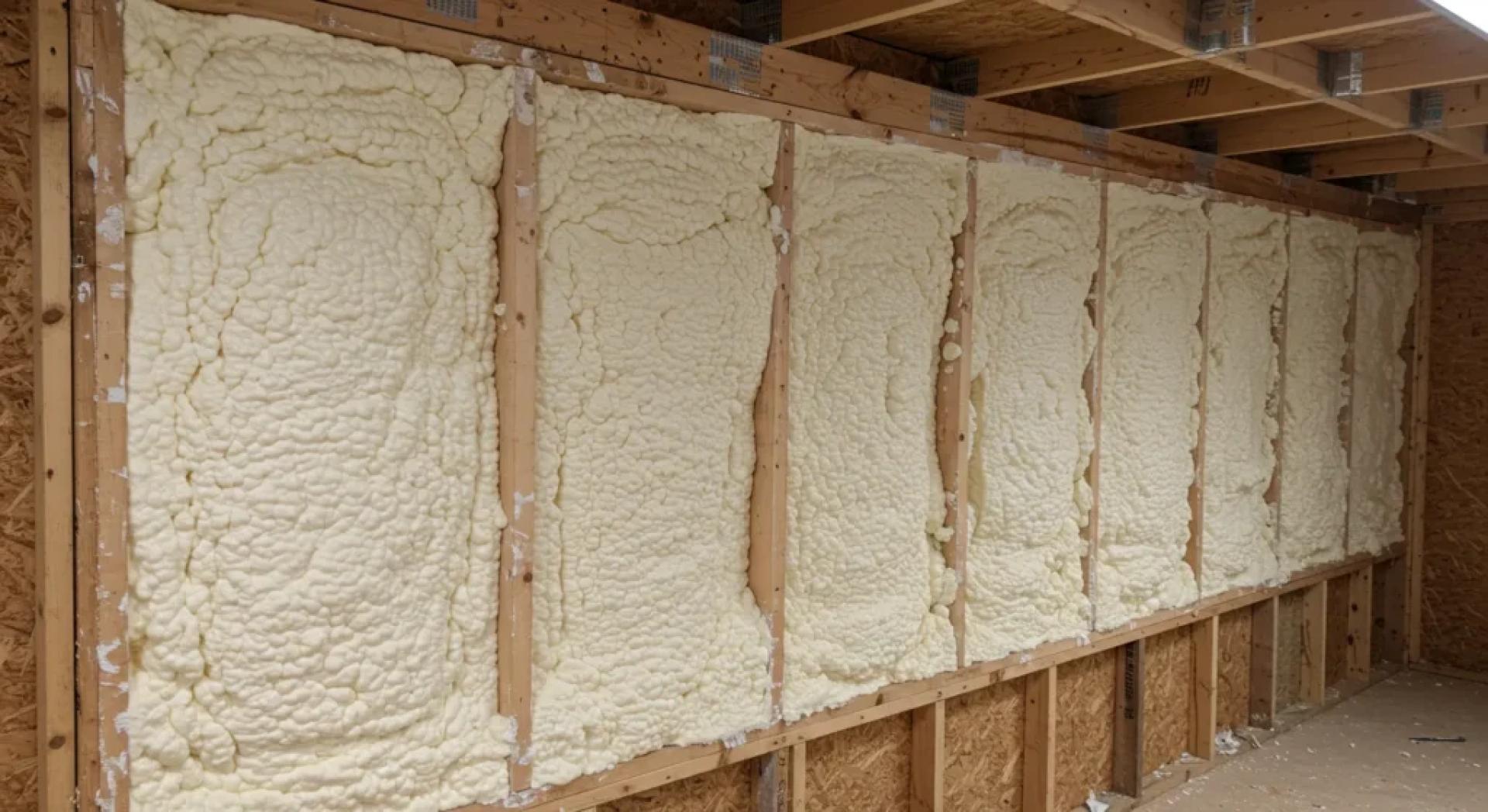
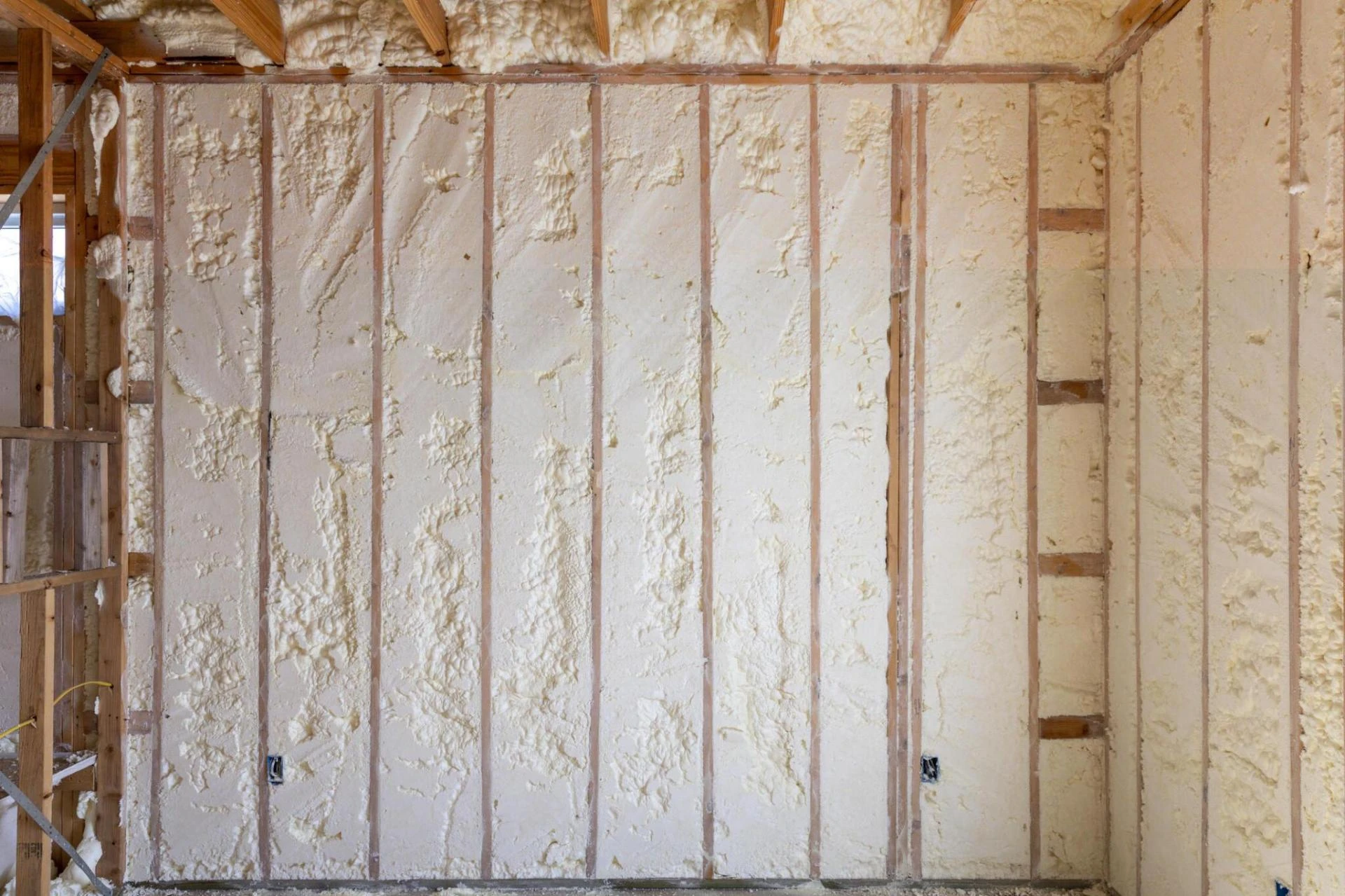
Today's high-performance insulation, particularly spray foam, excels at this second task. By expanding to fill every single crevice, it creates a solid, airtight barrier. This stops the hot air from getting in and the expensive, conditioned air from getting out. This air-sealing capability is the biggest change in how insulation functions, and it's the key to dramatically lowering summer electricity bills. To quantify how leaky a house is, professionals often use a diagnostic tool called a blower door test, which can pinpoint the exact locations where the biggest energy losses are occurring.
Creating a Healthier and Quieter Indoor Environment
The role of insulation today extends beyond just temperature and energy savings. It is now recognized as a critical part of creating a healthy and comfortable indoor environment.
- Improved Air Quality: By sealing the home's envelope, modern insulation systems reduce the amount of dust, pollen, and other outdoor pollutants that can enter the living space. In a dusty desert environment like Boulder City, this can have a significant impact on indoor air quality, providing relief for those with allergies and respiratory sensitivities.
- Sound Dampening: The solid, dense nature of materials like spray foam makes them very effective at blocking airborne noise. This creates a quieter interior, reducing the sound of traffic, wind, and neighbors. This acoustic control is a quality-of-life feature that older insulation systems simply didn't provide.
A home is more than just a structure; it's a personal sanctuary. The ability of modern insulation to create a cleaner, quieter, and more controlled environment is a central part of its expanded role.
The Evolution of Insulation Materials
The materials used for insulation have evolved significantly to meet the new demands of home performance. What was considered adequate 30 years ago often falls short of today's standards for energy efficiency and comfort.
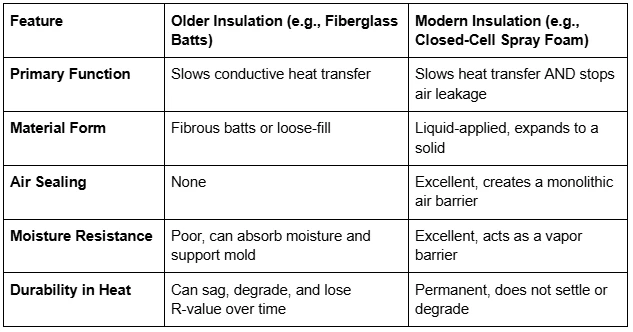
This shift reflects a move from passive materials that simply sit in a wall cavity to active systems that are fully integrated into the home's structure to provide a complete thermal and air barrier.
Things to Consider for Your Boulder City Home
When thinking about the role of insulation in your home, it’s important to look at it as a complete system, not just a single product.
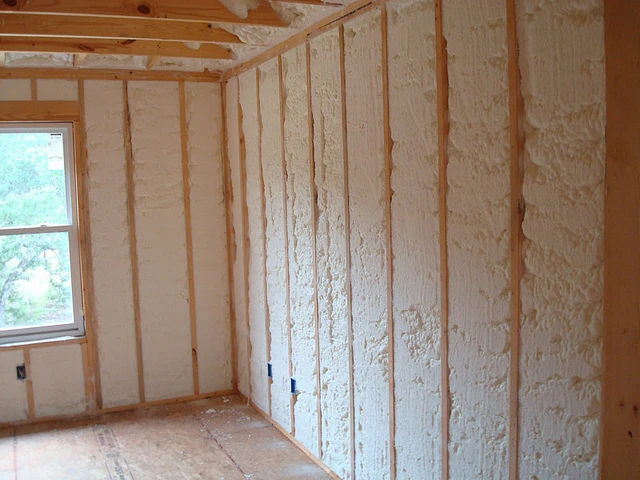
- It’s Not Just About R-Value: While R-value is important, it's only half the story. An R-38 batt of fiberglass that is full of air gaps will not perform as well as an R-21 layer of spray foam that is perfectly air-sealed. The focus should be on the effective performance of the entire system.
- Professional Installation is Key: The performance of modern insulation systems is entirely dependent on the quality of the installation. This is not a DIY job. A certified spray foam contractor has the equipment and training to ensure the material is applied correctly and safely to create a continuous barrier. Many can also perform a comprehensive energy audit to provide a prioritized list of upgrades that will deliver the biggest bang for your buck.
- Think Beyond the Attic: While the attic is the most critical area to address in a hot climate, the walls and crawl space also play a part. A complete approach to insulating the entire building envelope will always yield the best results. As more households focus on energy efficiency, a whole-home approach is proving to be the most effective strategy.
- Ventilation is Part of the System: As homes become more airtight, proper mechanical ventilation becomes more important to ensure a steady supply of fresh, healthy air. An insulation professional can advise on whether a home's existing ventilation is adequate.
Answering Your Questions About Modern Insulation
Why can't I just add more of the old-style insulation to my attic?
You can, but it's an incomplete solution. Piling more insulation on top of an unsealed attic floor is like putting a thicker blanket on a bed with a window wide open. You are not addressing the primary problem of air leakage, which is a huge source of energy loss.
Is modern insulation safe?
Yes. When installed correctly by a certified professional, modern insulation systems like spray foam are safe. The materials become inert once cured, and they do not off-gas or release harmful particles into the air.
How do I know if my current insulation is outdated?
A few signs include high summer cooling bills, rooms that are difficult to keep cool, a dusty indoor environment, and visible signs of pests in the attic. If you look in your attic and can see the tops of the ceiling joists, that's a clear sign you don't have enough insulation.
Does the government offer any incentives for upgrading insulation?
Yes, there are often federal, state, and local utility programs that offer tax credits or rebates for making energy-efficient home improvements, including insulation upgrades. A knowledgeable contractor can often provide information on current programs.
How much of a difference can new insulation really make?
In a climate like Boulder City, the difference can be dramatic. A properly air-sealed and insulated home can see its cooling costs cut by 30% to 50%. It also results in a home that is noticeably more comfortable and quieter.
A New Standard for Home Performance
The role of insulation in a Boulder City home has grown far beyond its original purpose. It is now a primary driver of energy efficiency, indoor air quality, and overall comfort. Understanding this expanded role is key to making smart decisions about how to maintain and upgrade a home for modern life in the desert. It’s no longer just about filling the gaps; it’s about creating a high-performance system that will deliver results for decades.
Get a Modern Insulation Assessment
The best way to understand how your home's insulation is performing is to have it evaluated by an expert who understands modern building science. They can identify weaknesses and recommend the most effective solutions for the local climate. For homeowners in the Boulder City area, the professionals at Supreme Spray Foam LV can provide a thorough assessment and a clear plan of action. They can be reached for a consultation by phone at (702) 904-9895 or by email at [email protected].
Reviewer: Michael Carter reviewed this article using insight gained over 12 years in the spray foam business. His feedback focused on helping contractors reach new customers without overcomplicating their message.