In today’s fast-paced digital landscape, e-commerce businesses are no longer confined to a single sales channel. Consumers expect seamless shopping experiences across multiple touchpoints—from online stores and marketplaces to social media platforms and physical retail locations. Managing these diverse channels efficiently can be challenging, but integrating an Enterprise Resource Planning (ERP) system offers a powerful solution. ERP plays a pivotal role in streamlining omnichannel e-commerce operations, helping businesses deliver consistent customer experiences while optimizing internal processes.
Understanding Omnichannel E-Commerce
Omnichannel e-commerce is the integration of various sales and communication channels to provide a unified and personalized shopping experience. Unlike multichannel approaches, which may operate independently, omnichannel strategies ensure that all channels are interconnected. For instance, a customer might browse products on a mobile app, check inventory at a physical store, and complete the purchase online.
The complexity of this approach requires sophisticated management tools. Without an integrated system, businesses risk inventory discrepancies, order delays, inconsistent pricing, and poor customer experiences. This is where erp ecommerce solutions become essential.
How ERP Supports Omnichannel Operations
ERP systems consolidate data across different business functions—including inventory management, order processing, finance, customer relationship management (CRM), and supply chain operations—into a single, centralized platform. This integration enables omnichannel e-commerce businesses to maintain operational efficiency while meeting customer expectations.
1. Centralized Inventory Management
One of the biggest challenges in omnichannel operations is inventory visibility. Customers expect real-time information about product availability across all channels. An ERP system provides a centralized inventory management module that tracks stock levels in real time, across warehouses, stores, and online platforms.
This visibility allows businesses to prevent overselling, reduce stockouts, and optimize inventory replenishment. For example, if a product is out of stock at one location but available at another, the ERP system can facilitate automated transfers or offer alternative purchasing options to customers. By streamlining inventory management, erp ecommerce solutions help companies maintain consistent product availability, a critical factor in customer satisfaction.
2. Efficient Order Management
Managing orders from multiple channels can be overwhelming without a unified system. ERP systems centralize order processing, allowing businesses to track and fulfill orders efficiently. From online marketplaces to in-store pickups, ERP ensures that orders are accurately recorded, processed, and shipped.
Features like automated order routing, real-time order tracking, and returns management reduce human error and improve operational speed. By integrating order management across all channels, businesses can maintain consistent service levels and meet customer expectations.
3. Enhanced Customer Experience
Customer experience is at the heart of omnichannel e-commerce. ERP systems integrate CRM functionality, enabling businesses to capture customer data from all touchpoints. This data includes purchase history, preferences, feedback, and interactions across social media, email, and in-store visits.
With this information, businesses can offer personalized recommendations, targeted promotions, and tailored communications. For instance, a customer who frequently purchases fitness gear online might receive a personalized discount for related products available in-store. By leveraging ERP data, erp ecommerce solutions empower businesses to create a seamless and engaging customer journey.
4. Real-Time Analytics and Reporting
Data-driven decision-making is essential for successful omnichannel operations. ERP systems provide real-time analytics and reporting capabilities, allowing businesses to monitor key performance indicators (KPIs) such as sales trends, inventory turnover, customer behavior, and marketing effectiveness.
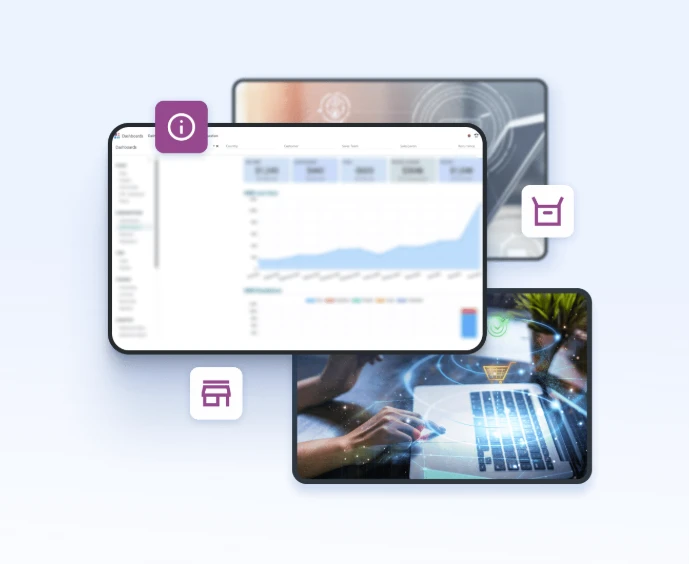
Access to real-time insights enables managers to make informed decisions, quickly identify bottlenecks, and adapt strategies. For example, if a specific product is performing exceptionally well in one channel but underperforming in another, businesses can adjust pricing, promotions, or inventory allocation accordingly. ERP ecommerce platforms provide these actionable insights in one consolidated dashboard, eliminating the need for manual data aggregation.
5. Streamlined Supply Chain Management
Omnichannel e-commerce relies heavily on an efficient supply chain. ERP systems facilitate end-to-end supply chain management, from procurement to order fulfillment. Features such as demand forecasting, supplier management, and automated replenishment help businesses optimize stock levels, reduce lead times, and minimize excess inventory.
By streamlining supply chain operations, ERP systems ensure that products are available when and where customers want them. This efficiency is crucial for omnichannel strategies, where delays in one channel can negatively impact the overall customer experience.
6. Integration with E-Commerce Platforms
Modern ERP systems offer seamless integration with popular e-commerce platforms, marketplaces, and point-of-sale (POS) systems. This connectivity enables businesses to synchronize product catalogs, pricing, promotions, and inventory across all channels.
For instance, a product update on an ERP system can automatically reflect on the website, mobile app, and marketplace listings, reducing manual work and minimizing errors. ERP ecommerce integration ensures that all sales channels operate with consistent and up-to-date information, strengthening brand trust and customer satisfaction.
7. Automating Routine Tasks
Automation is a key benefit of ERP systems in omnichannel operations. Routine tasks such as order confirmations, invoice generation, shipment tracking, and stock level alerts can be automated, freeing employees to focus on strategic initiatives.
Automation reduces the risk of errors and delays, which is particularly important in omnichannel scenarios where multiple orders are processed simultaneously across different channels. By minimizing manual interventions, ERP systems improve operational efficiency and customer satisfaction.
8. Scalability and Adaptability
As e-commerce businesses grow, their operations become more complex. ERP systems are designed to scale with business needs, accommodating increased order volumes, additional sales channels, and expanded product lines.
For businesses looking to expand internationally, ERP systems offer support for multiple currencies, tax regulations, and regional compliance requirements. This flexibility ensures that omnichannel operations remain efficient, regardless of business size or market reach.
Real-World Applications of ERP in Omnichannel E-Commerce
Several leading e-commerce businesses have successfully leveraged ERP systems to enhance their omnichannel operations:
- Retail Chains: Large retailers use ERP systems to synchronize inventory and pricing across physical stores and online platforms, enabling real-time stock visibility and seamless in-store pickup options.
- Marketplaces: Online marketplaces rely on ERP to manage multiple sellers, track orders, and streamline payments, ensuring consistent service levels for millions of customers.
- Direct-to-Consumer Brands: D2C brands use ERP systems to personalize customer experiences, analyze buying patterns, and forecast demand, improving both retention and profitability.
These examples demonstrate how erp ecommerce solutions are crucial for maintaining operational efficiency and delivering exceptional customer experiences in today’s omnichannel world.
Challenges and Considerations
While ERP systems offer significant benefits, businesses must consider certain challenges when implementing them for omnichannel e-commerce:
- Complexity of Integration: Integrating ERP with multiple sales channels and legacy systems can be complex and requires careful planning.
- Cost of Implementation: ERP solutions can involve significant upfront costs, including software licenses, customization, and employee training.
- Change Management: Transitioning to an ERP-driven model requires employee buy-in and process adaptation to ensure effective utilization.
Despite these challenges, the long-term benefits of ERP in streamlining operations, improving customer experience, and enabling data-driven decisions far outweigh the initial investment.
Conclusion
In the evolving landscape of omnichannel e-commerce, businesses must manage multiple sales channels while maintaining operational efficiency and customer satisfaction. ERP systems play a crucial role in achieving these objectives by centralizing inventory, streamlining order management, enabling data-driven insights, and automating routine processes.
By adopting erp ecommerce solutions, businesses can deliver consistent, personalized experiences across all touchpoints, optimize internal operations, and scale efficiently in a competitive marketplace. The integration of ERP is no longer just an operational enhancement—it is a strategic necessity for e-commerce businesses aiming to thrive in an omnichannel world.