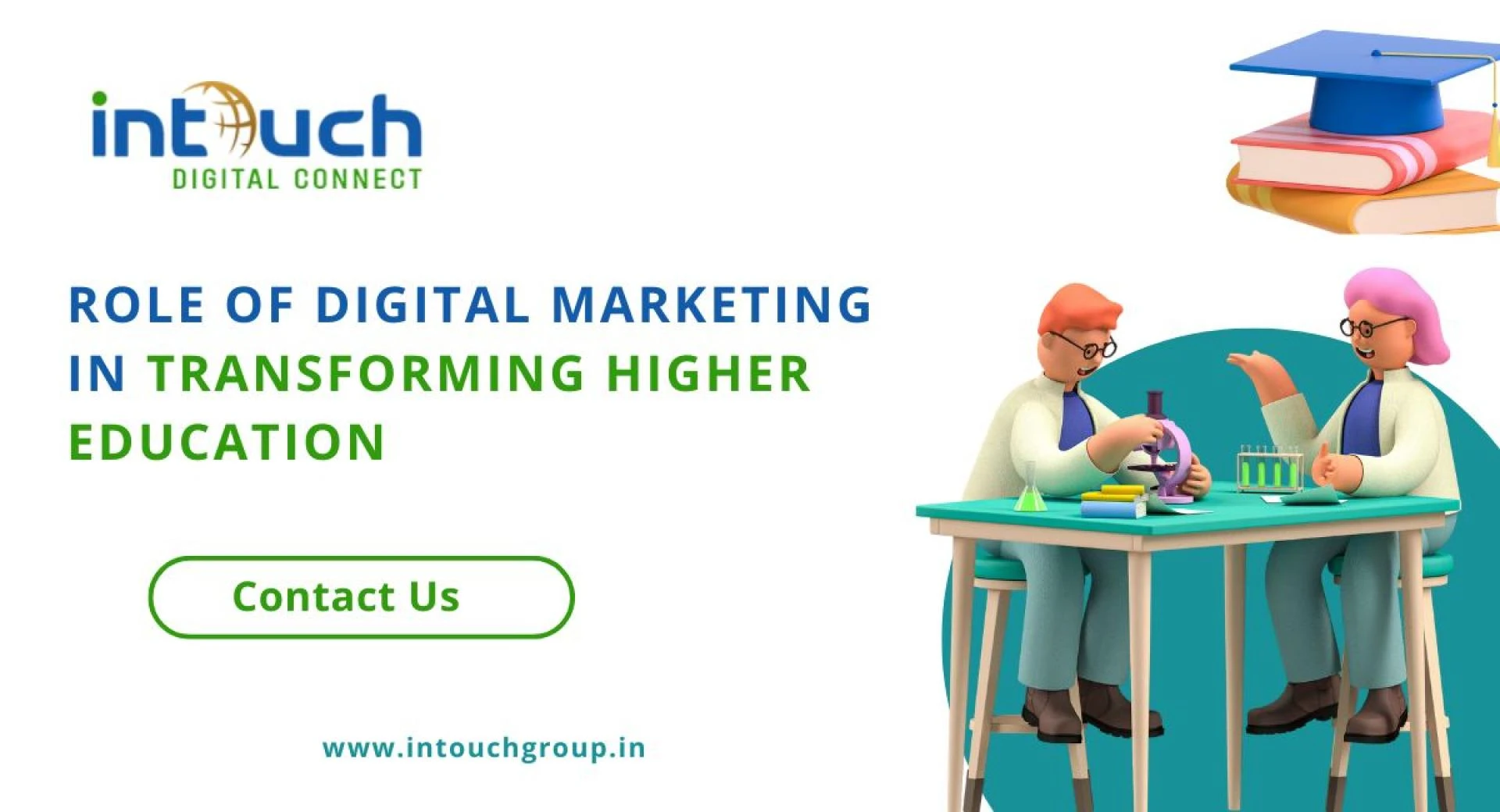
Higher education is no longer confined to physical classrooms and word-of-mouth reputation. With increasing competition, rising student expectations, and the global shift toward online learning, universities and colleges must embrace modern strategies to stay relevant. One of the most impactful tools driving this transformation is digital marketing. From personalized student engagement to global outreach, digital marketing is redefining how institutions connect with their audience.
Why Digital Marketing Matters in Education
The education sector is unique because it relies heavily on credibility, trust, and long-term outcomes. Traditional marketing methods like brochures, print ads, and local fairs are no longer enough to reach today’s digitally connected students. Instead, institutions must meet students where they are—on search engines, social media, and online platforms.
Partnering with a digital marketing agency for education industry ensures that colleges and universities use strategies tailored to the academic world. These agencies understand the student journey, from awareness to application, and design campaigns that address both emotional and informational needs.
Key Areas Where Digital Marketing is Transforming Education
- Search Visibility with SEO
- Institutions now compete globally, making search engine optimization vital. Ranking higher for course-specific queries ensures that potential students find the right programs at the right time.
- Content That Builds Trust
- Blog posts, student testimonials, and faculty features not only showcase expertise but also humanize institutions. This content helps answer questions and eases concerns before students apply.
- Social Media Engagement
- Platforms like Instagram, LinkedIn, and YouTube are essential for showcasing campus culture, academic achievements, and alumni success stories. They also allow real-time interactions with prospects.
- Data-Driven Campaigns
- Digital tools enable universities to understand student behavior better. Targeted ads, email campaigns, and CRM systems nurture leads efficiently, reducing drop-offs.
- Virtual Experiences
- Digital marketing enables institutions to create immersive experiences, such as virtual campus tours and online open houses, helping international students explore from anywhere.
Benefits for Higher Education Institutions
- Stronger Global Presence: Digital campaigns expand reach beyond geographical limitations.
- Higher Enrollment Rates: Personalized and targeted strategies attract qualified applicants.
- Cost-Effective Marketing: Online campaigns often yield higher returns compared to traditional methods.
- Enhanced Brand Reputation: Consistent messaging builds trust among students, parents, and alumni.
See Also:- Best Higher Education Marketing Companies for Student Success
The Future of Digital Marketing in Education
Looking ahead, personalization will be the cornerstone of higher education marketing. Artificial intelligence, machine learning, and predictive analytics will make campaigns more student-specific than ever. Imagine a prospective student receiving tailored course recommendations or real-time support via AI chatbots—this level of personalization is fast becoming a reality.
Additionally, the focus will shift toward lifelong learning. Institutions won’t just target undergraduate and postgraduate students but also professionals seeking certifications, online diplomas, or short-term programs. Digital marketing will be critical in connecting with these diverse audiences.
Conclusion
The role of digital marketing in higher education goes far beyond promotion—it is about building meaningful connections, fostering trust, and enabling institutions to thrive in a competitive global landscape. By embracing innovative strategies, colleges and universities can ensure their message reaches the right students at the right time, ultimately transforming education for the digital age.