


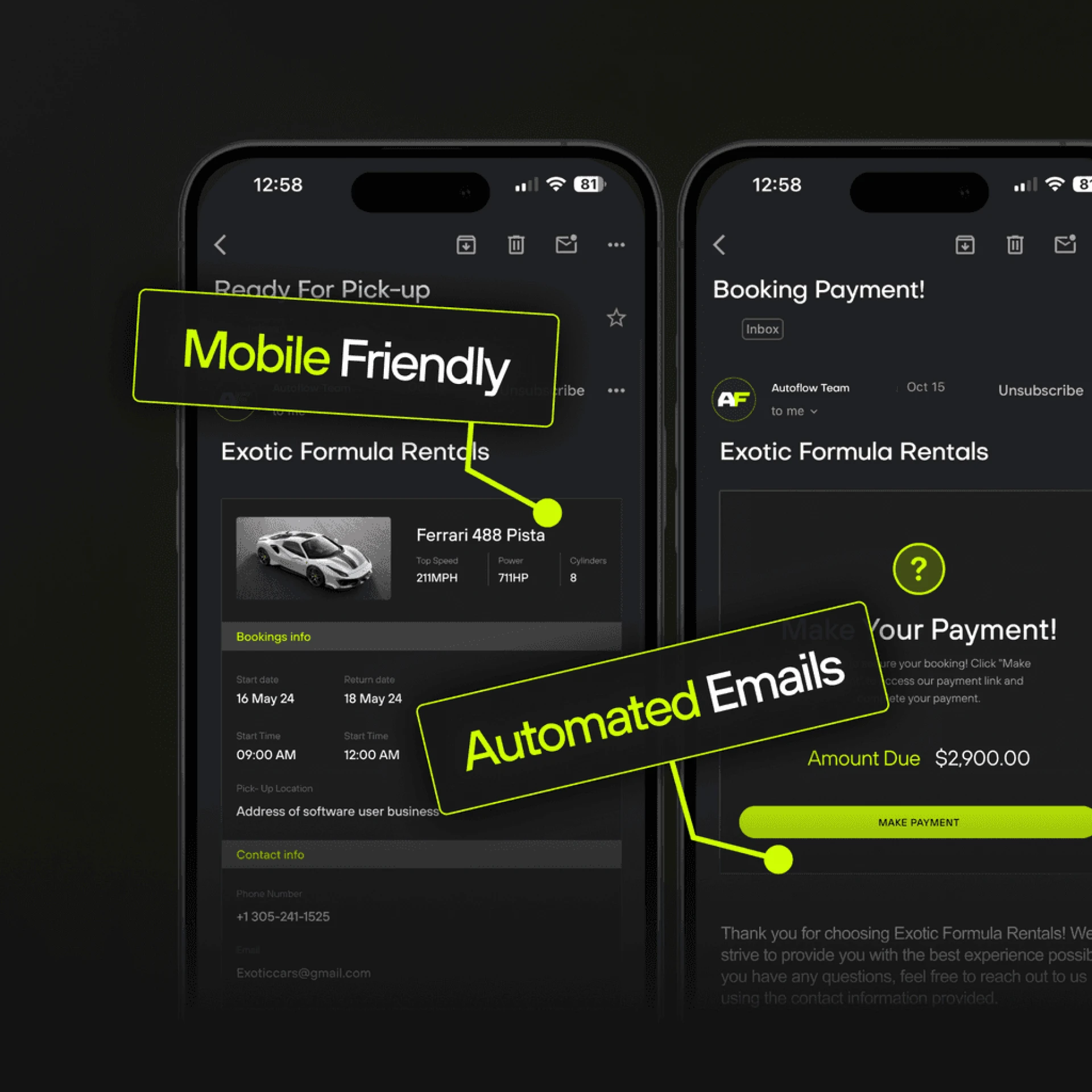
In the early stages of a rental business or delivery operation, managing a few vehicles feels manageable. You might use a spreadsheet for maintenance, a calendar app for bookings, and a folder full of paper receipts for accounting. However, as soon as you scale past three or four assets, these fragmented "solutions" begin to crumble. This is known as the "efficiency gap"—the point where manual administration starts costing you more than the vehicles are earning.
To close this gap, professional operators are turning to All-in-One Fleet Management platforms. Instead of juggling five different apps, these systems consolidate every aspect of the business into a single digital ecosystem. Platforms like AutoFlow Fleet are leading this revolution, providing the "brain" for high-growth fleets.
1. Centralizing the "Chaos": The Unified Dashboard
The primary benefit of an all-in-one system is the "Single Source of Truth." When your data is scattered, you spend half your day just looking for information. When is the registration due for the Ford? Did the guest pay for those tolls? Why is the van in the shop again?
With a unified dashboard, every data point is interconnected:
Booking Sync: Your calendar updates automatically across Turo, private sites, and local contracts.
Financial Oversight: Revenue is tracked against specific expenses like insurance and Revenue Per Vehicle metrics.
Real-Time Status: You can see at a glance which cars are "On Trip," "Pending Cleaning," or "In Maintenance."
2. Bridging the Gap Between Software and Hardware
A true all-in-one solution doesn't just store data; it listens to your vehicles. Through telematics integration, Fleet Management Software pulls live data directly from the vehicle’s onboard computer.
Predictive Maintenance
Instead of guessing when a car needs service, the system tracks actual mileage. If a vehicle is 500 miles away from a scheduled oil change, the software can automatically "black out" that vehicle on your booking calendar for a service window. This ensures your Solo Operator Fleet Management strategy remains proactive, preventing costly roadside breakdowns.
Security and Asset Recovery
If a vehicle is moved without a booking or leaves a designated geofence, the all-in-one system alerts you instantly. Having GPS tracking, engine diagnostics, and booking history in one place makes insurance claims and police reports significantly easier to file, protecting your most valuable capital.
3. Financial Transparency and Profit Optimization
Many fleet owners suffer from "leaky buckets"—small expenses like unbilled tolls, missing fuel, or minor cleaning fees that go uncharged. Over a year, these can add up to thousands of dollars in lost profit.
An all-in-one system like AutoFlow Fleet automates the reconciliation process. It can flag discrepancies in fuel levels upon return and automatically generate an invoice for the difference. Furthermore, it provides high-level analytics that show you your Net ROI per asset. You might realize that while your luxury cars have high daily rates, your economy sedans are actually more profitable due to lower maintenance and higher utilization.
4. Elevating the Customer Experience
In 2026, the customer experience is digital. Modern renters expect a "frictionless" journey. All-in-one platforms enable Rental Fleet Automation features that make your small business look like a global brand:
Contactless Check-ins: Automated digital contracts and remote key access.
Proactive Communication: Automated SMS reminders for pickup and return.
Professional Billing: Instant, branded digital receipts sent the moment a trip ends.
When the backend of your business is organized, the frontend experience feels effortless for the customer. This leads to 5-star reviews, which are the primary driver of growth on any rental platform.
5. Scaling Without Increasing Overhead
The traditional way to grow a business was to hire more staff. However, an all-in-one platform acts as a "Force Multiplier." By automating 80% of the administrative "busy work," a single person can manage 20+ vehicles as easily as they once managed five.
This scalability is the core value proposition of AutoFlow Fleet. It allows you to focus on the "CEO tasks"—finding new deals, securing financing, and researching new markets—while the software handles the minute-by-minute logistics of the fleet.
Conclusion: The Path to Professionalism
The vehicle rental and logistics market is becoming increasingly competitive. The "amateur era" of disorganized hosting is ending, replaced by a new standard of professionalized, tech-enabled operators.
Investing in an All-in-One Fleet Management system is not just about buying a tool; it’s about choosing a philosophy of efficiency. It is the commitment to knowing your numbers, protecting your assets, and respecting your time. By centralizing your operations, you move from a state of constant "firefighting" to a state of strategic growth.
If you are ready to stop managing your fleet through dozens of tabs and start managing through a single, powerful lens, the future of your business is waiting.