



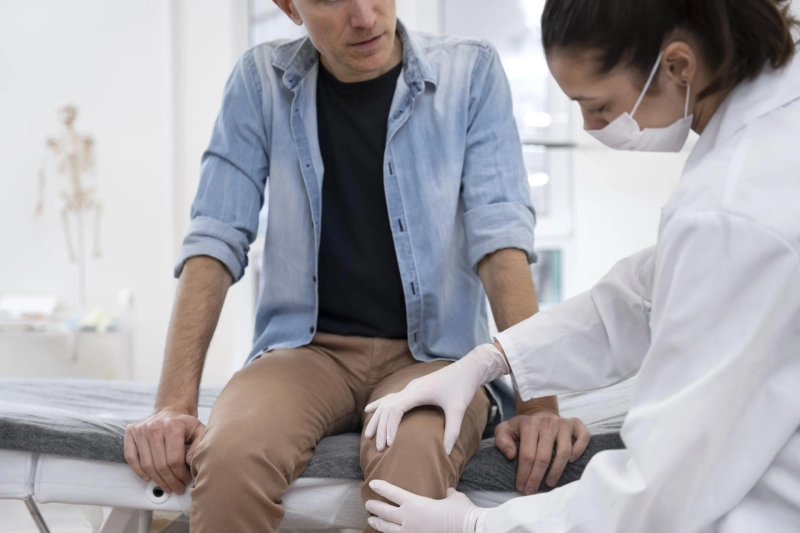
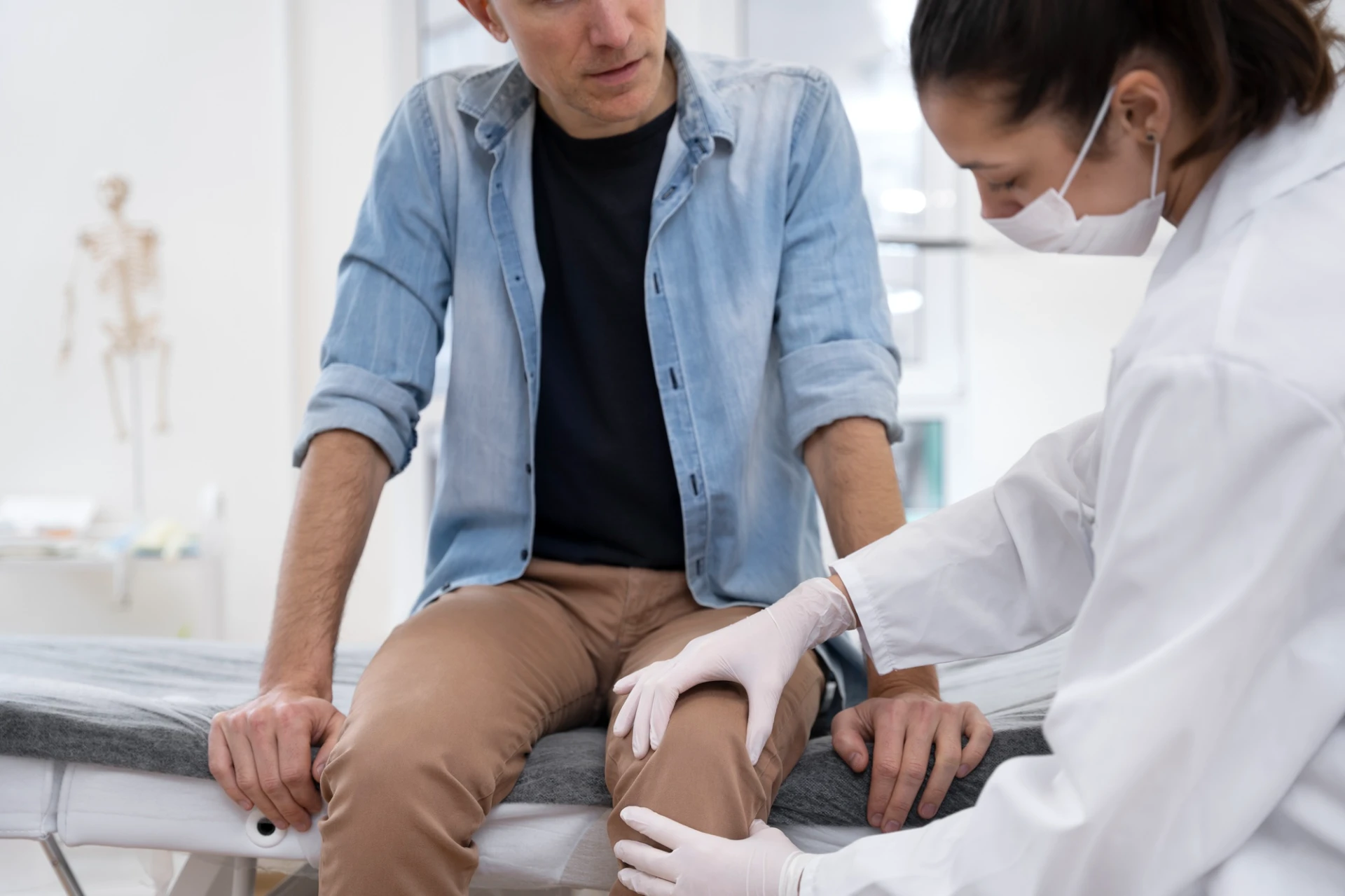
Knee replacement surgery can significantly improve the quality of life for individuals suffering from chronic knee pain, stiffness, or reduced mobility. It involves replacing damaged parts of the knee joint with artificial components, allowing for better movement and reduced discomfort. After surgery, patients often have questions about what lies ahead. Understanding the recovery process is essential to staying motivated and on track. This post outlines what one can expect after the operation, the typical rehabilitation phases, and how guidance from a skilled knee replacement surgeon can support a smooth recovery journey.
What Happens in the First Few Days
The early stage of recovery begins immediately after the surgery. Patients are usually encouraged to begin light movement within 24 hours. This helps reduce the risk of blood clots and supports faster healing. Under the supervision of physiotherapists, patients may start walking short distances using walkers or crutches. Ice therapy and leg elevation help reduce swelling, and gentle exercises are introduced to maintain flexibility in the joint. Pain is managed using standard clinical methods, ensuring patients remain comfortable and cooperative during the early rehabilitation process.
Weeks 2 to 6 – Building Strength and Independence
This phase focuses on strengthening muscles and restoring the range of motion. During these weeks, physiotherapy sessions become more structured and intensive. The goal is to improve balance, muscle strength, and joint flexibility gradually. Patients may continue using walking aids while transitioning to more independent movement. Daily tasks like climbing stairs, getting in and out of chairs, and personal care become easier with consistent effort. Swelling and pain continue to decrease, allowing for more extended periods of mobility. Support from the physiotherapy team plays a key role in helping patients stay engaged in their recovery.
Months 2 to 3 – Regaining Mobility
Patients experience noticeable progress during this period.
By the second month, many are able to walk unassisted and take part in most normal activities. Therapy often includes exercises for coordination, endurance, and functional movement. Stationary bikes, resistance bands, and other rehabilitation tools may be introduced. The body continues to adapt to the new joint, and improvements in walking speed and joint control are common. A strong support system at home and regular check-ins with healthcare providers can help patients stay on track.
Months 4 to 12 – Full Recovery and Long-Term Outcomes
Recovery continues well beyond the first few months. Between the fourth and twelfth months, patients work on restoring full strength and joint function. By this time, the knee should feel more stable and comfortable. Activities like swimming, walking longer distances, and even light recreational sports may be resumed, depending on individual progress. Adherence to prescribed exercises is key to maintaining results. With consistent care and attention, artificial joints often last 15 to 20 years or more, allowing for a long-lasting improvement in quality of life.
Role of the Knee Replacement Surgeon
A trusted and experienced knee replacement surgeon is vital to recovery. From the moment surgery is planned, the surgeon helps define realistic expectations and recovery timelines. After the procedure, they monitor healing progress, evaluate physical milestones, and make necessary adjustments to the rehabilitation plan. They also play a vital role in identifying early signs of complications, ensuring timely intervention. Close communication between the patient and the surgeon fosters confidence and encourages steady improvement. Patients who stay connected with their care team tend to recover faster and with better results.
Typical Support and Follow-Up Care
Post-surgical care doesn’t stop at discharge. Most patients have scheduled follow-ups at two weeks, six weeks, three months, and one year after surgery. These visits allow the healthcare team to assess mobility, review X-rays, and refine the recovery approach if needed. Support may also include additional physiotherapy sessions, especially if progress is slower than expected. Nutritional advice, weight management, and lifestyle adjustments are often suggested to maintain joint health. Ongoing encouragement and education from medical professionals ensure that patients feel supported at every stage.
What Patients Should Expect During Recovery
Knee replacement recovery varies from person to person. While some may regain independence quickly, others may need more time and support. Patients should expect gradual improvement in strength, mobility, and comfort. There may be occasional setbacks, but these are part of the healing process. Commitment to therapy, proper rest, and clear communication with the medical team all contribute to successful outcomes. By staying consistent and patient, most individuals return to regular routines, enjoy increased activity levels, and experience less pain than before the surgery.
Tips for Staying on Track
Maintaining progress involves daily habits. Here are a few valuable tips:
- Stick to your physiotherapy schedule
- Use walking aids only as advised.
- Avoid high-impact activities during recovery
- Eat a balanced diet to support healing
- Monitor swelling and speak up about discomfort
Keeping a recovery journal or tracking improvements can be motivating. Many patients find it helpful to set small, achievable goals each week.
Conclusion
Recovering from knee replacement surgery takes effort, but the rewards are significant. Under the guidance of a qualified knee replacement surgeon, patients move from limited mobility to independent, active lifestyles. Each recovery phase builds on the last, offering measurable improvements in function and comfort. With the proper care, realistic expectations, and continued commitment, most people achieve excellent long-term results. The journey may be gradual, but with determination and support, it often leads to a more fulfilling and pain-free life.